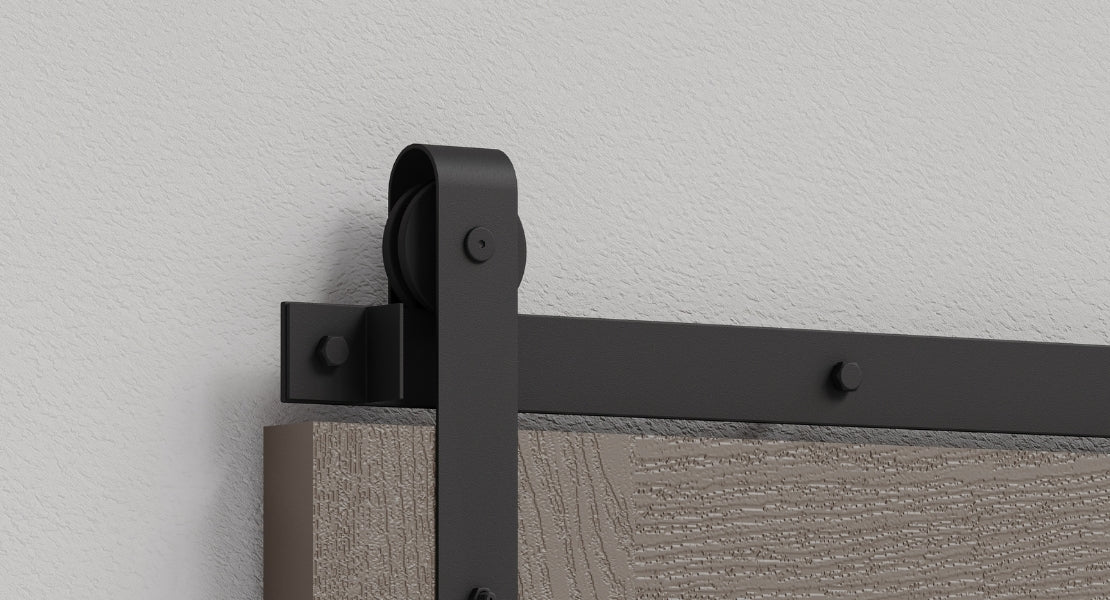



Barn Door Hardware and Door Guide: Expert Insights for 2026
Are you ready to see why barn door hardware and door solutions are taking center stage in 2026? The surge in innovative styles and smart features is transforming how we think about doors—both at home and in commercial spaces.
This guide is your go-to resource for expert insights on barn door hardware and door choices, designed to help you make confident decisions for any project. Want to know the latest hardware types, material breakthroughs, and installation tips? Curious about the freshest design trends and best maintenance practices?
Dive in and discover how stylish, functional barn door hardware and door options can elevate your space. Whether you are a homeowner or a designer, let this guide inspire your next project—and help you make it a success.
Understanding Barn Door Hardware: Types, Components, and Innovations
Thinking about adding a barn door to your home or workspace? You’re not alone. Barn door hardware and door systems are everywhere in 2026, from cozy homes to modern offices. But what exactly makes up these systems, and how do you know which type is right for you? Let’s break down the essentials and explore what’s new in the world of barn door hardware and door solutions.
Overview of Barn Door Hardware Systems
There are three main types of barn door hardware and door systems you'll see in 2026: sliding, bifold, and bypass. Sliding systems are the most popular for their space-saving design. The door glides along a track, making them ideal for tight spaces or rooms where a swinging door just won’t fit.
Bifold barn door hardware and door setups fold in half, perfect for closets or laundry rooms. Bypass systems let two or more doors slide past each other, which is great for wide openings or double-door closets.
If you’re curious about available options, you can browse Types of Barn Door Hardware Kits to compare sliding, bifold, and bypass kits for every need.
Key Components: Tracks, Rollers, and More
Every barn door hardware and door system relies on a few key parts:
- Tracks: The rail the door slides on, often made of steel or aluminum.
- Rollers: Wheels that attach to the door and glide along the track.
- Hangers: Connect the rollers to the door itself.
- Floor Guides: Keep doors from swinging out at the bottom.
- Handles and Pulls: For opening and closing with style.
- Stoppers: Prevent the door from rolling off the track.
When choosing barn door hardware and door kits, you’ll find standard and heavy-duty versions. Heavy-duty options are built to support larger, heavier doors—think commercial settings or oversized entryways—while standard kits are perfect for most homes.
Innovations for 2026: Smart Features and Materials
In 2026, barn door hardware and door systems are smarter and more durable than ever. Soft-close mechanisms prevent slamming, and some kits even offer automated opening with remote or app control. This is a game-changer for accessibility and convenience.
Material advancements are also front and center. Expect corrosion-resistant finishes that keep hardware looking new, even in humid climates. Eco-friendly metals and advanced composites are now widely available, making it easier to match your sustainability goals with your design vision.
For safety, look for anti-jump blocks that keep the door on track, child-safe locks for peace of mind, and ADA-compliant hardware for universal accessibility.
Real-World Example: Residential vs. Commercial Needs
Choosing barn door hardware and door solutions for a home is different from outfitting a busy commercial space. In a master suite, you might opt for a sleek, quiet sliding system with a soft-close feature. For a restaurant or office, heavy-duty tracks and rollers are essential to handle frequent use and larger doors.
Let’s summarize the main differences:
| Feature | Residential Use | Commercial Use |
|---|---|---|
| Door Weight | Light to Medium | Heavy |
| Hardware Durability | Standard | Heavy-duty |
| Safety Features | Child-safe, Soft-close | ADA compliant, Anti-jump |
| Style Focus | Aesthetics, Quiet | Function, Longevity |
Market research shows that the barn door hardware and door segment continues to grow rapidly, with more people choosing these systems for both style and practicality. In 2026, innovations and robust options make it easier than ever to find the right fit for your unique project.
Choosing the Right Barn Door and Hardware for Your Space
Ever found yourself staring at an empty wall and picturing a sleek sliding barn door transforming your space? Picking the perfect barn door hardware and door can feel like a puzzle, but with the right approach, you will create a solution that is both stylish and functional. Let us break down what you need to know so you can confidently choose options that suit your space, style, and budget.
Assessing Your Project Needs
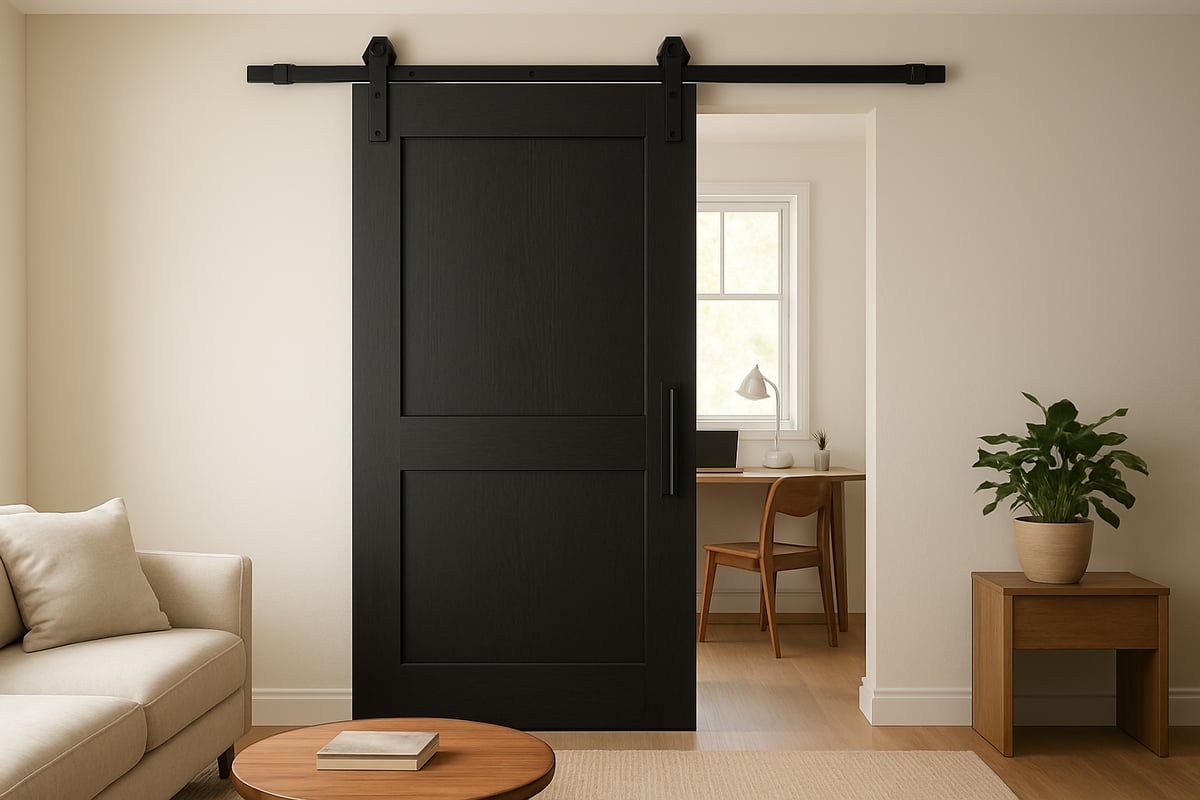
The first step in choosing barn door hardware and door is understanding your specific space and how you want it to function. Start by measuring your doorway and the adjacent wall. Is there enough clearance for the door to slide fully open? For smaller rooms or tight hallways, you might look at bifold or bypass systems instead of a single sliding setup.
Here is a quick comparison to help you visualize your options:
| Configuration | Best For | Key Considerations |
|---|---|---|
| Single | Bedrooms, offices | Simple, classic, needs wall clearance |
| Double | Wide openings | Symmetry, more hardware needed |
| Bifold | Closets, pantries | Space-saving, partial opening possible |
| Bypass | Tight spaces | Multiple doors slide past each other |
Matching your barn door hardware and door to the room’s size and layout is crucial. For example, a master suite might benefit from a double sliding set with soft-close hardware, while a pantry could use a compact bifold for efficiency.
Do not forget about style. Are you drawn to modern minimalism, rustic farmhouse, or bold industrial looks? Hardware comes in finishes like matte black, stainless steel, bronze, or even custom colors. Consumer surveys show a growing preference for matte black and natural wood tones, but there is no wrong choice if it fits your taste.
Soundproofing and privacy are also important, especially for bedrooms, bathrooms, or offices. Thicker doors and tight-fitting hardware can help reduce noise transfer and create a more secluded feel.
If you want to explore a wide range of options and find the right fit for your project, check out our selection of barn door kits for inspiration and easy ordering.
Budgeting and Sourcing Quality Hardware
Once you have a vision for your barn door hardware and door, it is time to talk budget and quality. The cost can vary widely based on material, finish, brand reputation, and warranty. Premium materials like solid steel or eco-friendly composites may cost more upfront but offer better durability and longevity.
Here are some factors to keep in mind:
- Materials: Solid steel, aluminum, or composite hardware can handle different weights and environments.
- Finishes: Powder-coated, brushed, or custom finishes affect price and style.
- Brand reputation: Established brands often provide better support and warranties.
- Warranty: Look for lifetime or extended warranties for peace of mind.
- Expert support: Access to installation guides and customer service is invaluable.
It is tempting to choose the cheapest option, but consider the long-term value. High-quality barn door hardware and door systems last longer and require less maintenance. Watch out for red flags like missing certifications, vague warranties, or hardware that feels flimsy right out of the box.
When comparing options, ask yourself: Will this hardware support the weight and size of my door for years to come? Will the finish resist scratches and corrosion? Investing a bit more now can save you headaches and repairs down the road.
If you are unsure, reach out to experts or browse customer reviews. Sometimes, paying attention to the details—like smooth rollers or solid handles—makes all the difference in how your barn door hardware and door performs over time.
Step-by-Step Guide to Installing Barn Door Hardware in 2026
Thinking about installing barn door hardware and door solutions in your home or office? Let's break down the process into manageable steps. With modern kits and a little patience, you can achieve a professional look—no matter your skill level.
Preparation and Planning
Before you even open your barn door hardware and door kit, take a moment to plan. Start by measuring your doorway width and height. Add extra width to ensure the door fully covers the opening. Next, measure the wall space beside the opening. Is it clear of switches or vents? This ensures your barn door hardware and door will slide smoothly without obstructions.
Check your wall’s structure. Use a stud finder to locate studs above the doorway. This is crucial, as your barn door hardware and door needs solid support. For masonry or concrete walls, you’ll need special anchors.
Now, gather your tools. A basic list includes a tape measure, pencil, drill, screwdriver, level, socket wrench, and safety glasses. Read through your kit’s installation manual to familiarize yourself with the steps ahead.
Set up your workspace. Clear the area of furniture and lay out all parts from your barn door hardware and door kit. Wear personal protective equipment, such as gloves and goggles, to prevent injuries. Careful planning at this stage saves time and frustration later.
Hardware and Door Assembly
Unbox your barn door hardware and door kit and check that all components are present. Most kits include the track, rollers, hangers, floor guide, stoppers, and mounting hardware. If your door arrives unassembled, follow the manufacturer’s instructions to put it together.
Prepare the door by sanding any rough edges and cleaning the surface. If painting or staining, do so before moving to hardware installation. Allow enough drying time for best results.
Lay the door flat and mark the spots for hangers or mounting plates. Double-check measurements so your barn door hardware and door hangs level and operates smoothly. Pre-drill holes if needed, especially for hardwood doors or thick panels.
Check all rollers and hangers for smooth movement. Some barn door hardware and door kits now include soft-close or smart features—be sure to follow any extra steps for these innovations.
Mounting the Track and Installing Hardware
Now it’s time to attach the track for your barn door hardware and door. Hold the track above the doorway at the marked height. Use a level to ensure it’s straight. Mark the mounting points, aligning them with wall studs or approved anchors.
Drill pilot holes, then secure the track to the wall. For heavy-duty barn door hardware and door kits, make sure all fasteners are tight and the track is fully supported. Attach hangers to the door, following your marked spots from earlier.
Install the floor guide at the base of the doorway. This prevents the door from swinging out and keeps the barn door hardware and door stable. Add the stoppers at each end of the track to limit travel.
For safety, always install anti-jump blocks. These keep your barn door hardware and door on the track during operation. Double-check all fasteners and test the track for stability before hanging the door.
Final Adjustments and Testing
Carefully lift and hang your barn door hardware and door onto the track. Slide it back and forth to test for smooth operation. If the door rubs or is uneven, adjust the hangers or track alignment.
Secure handles and locks as the final touch. Not sure which style fits your space? Check out the Barn Door Handles and Pulls Guide for inspiration and accessory options that match your barn door hardware and door perfectly.
Troubleshooting common issues? If the door sticks, check for obstructions in the track or floor guide. If it’s noisy, apply a silicone lubricant to the rollers.
Let’s compare timelines. A standard barn door hardware and door kit takes most DIYers about 2-4 hours to install. Heavy-duty kits, often used for larger or commercial doors, may take 4-6 hours and require an extra set of hands or professional help.
| Kit Type | DIY Time Estimate | Pro Install Time |
|---|---|---|
| Standard | 2-4 hours | 1-2 hours |
| Heavy-Duty | 4-6 hours | 2-3 hours |
Whether you choose to DIY or hire a pro, installing barn door hardware and door solutions can be a rewarding project. Take your time, follow each step, and enjoy the transformation in your space.
Barn Door Design Trends and Customization Insights for 2026
Are you curious about what’s next for barn door hardware and door design in 2026? This year, the design world is buzzing with fresh ideas that blend style, function, and technology. Whether you want to upgrade your home or create an eye-catching feature for your business, understanding these trends will help you make choices you’ll love for years.
Trending Styles for 2026
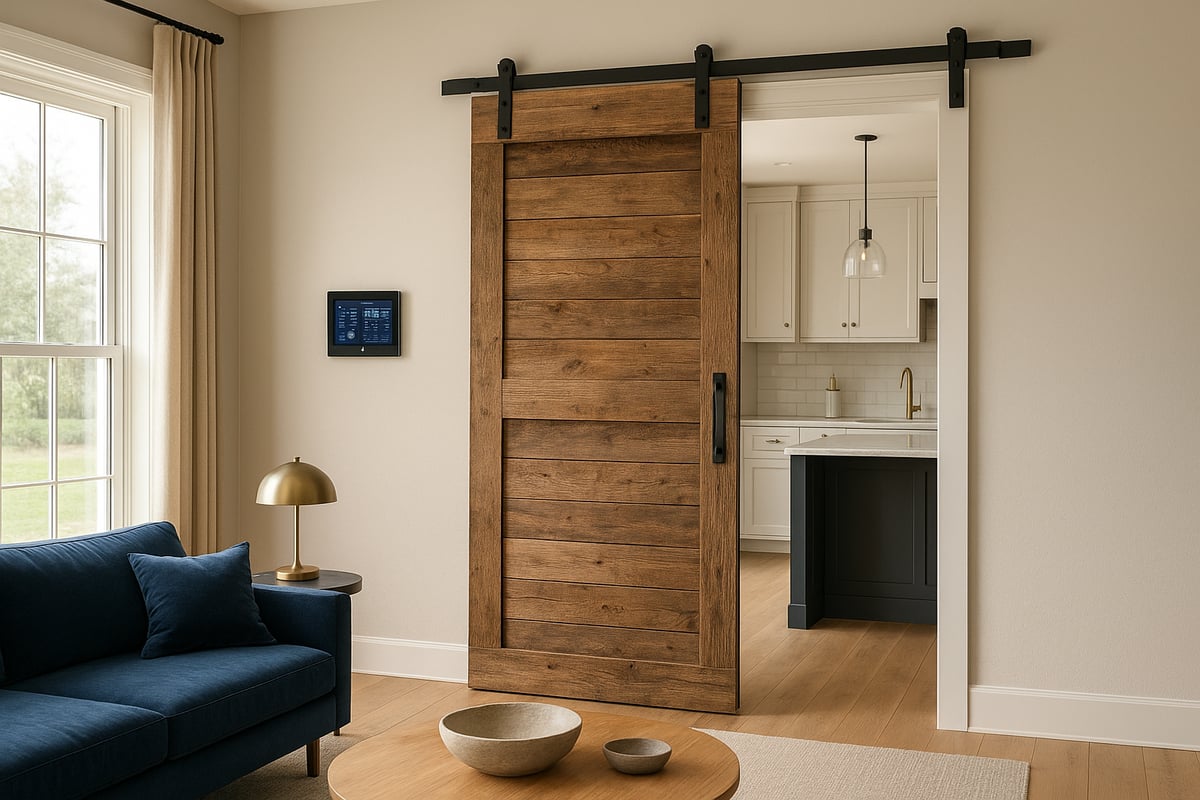
Minimalist lines, rustic-modern blends, and bold industrial looks are leading the way in barn door hardware and door style. Homeowners and designers are mixing clean profiles with organic textures, like pairing matte black tracks with reclaimed wood or frosted glass. In urban lofts, you’ll often see slick, metal finishes and oversized sliders, while suburban homes gravitate toward softer woods and cozy farmhouse touches.
Looking for even more inspiration? See how sliding barn doors and flexible layouts are shaping the latest Interior Door Trends for 2026. These styles work in living rooms, bedrooms, and even as creative office partitions.
Customization and Material Innovations
Personalization is huge for barn door hardware and door upgrades this year. Custom laser-cut panels, glass inserts, and eco-friendly reclaimed wood are all making waves. Many homeowners are opting for composite materials that resist warping and moisture, ensuring their investment lasts.
If you want something truly unique, check out our barn door kits which offer plenty of options for mixing and matching hardware, finishes, and door panels. Designers love combining brushed brass handles with textured wood or adding soft-close features for a touch of luxury.
Color and Finish Trends
Color is taking center stage in barn door hardware and door design. Earthy tones, deep blues, and two-tone finishes are especially popular. Matte black remains a top pick for hardware, but brushed brass, antique bronze, and textured coatings are on the rise. These finishes not only look great but also hide fingerprints and smudges.
Here’s a quick look at popular finishes:
| Finish | Popular Spaces | 2026 Trend |
|---|---|---|
| Matte Black | Modern, Farmhouse | Strong |
| Brushed Brass | Luxe, Industrial | Rising |
| Deep Blue | Bedrooms, Offices | Trending |
| Two-Tone | Entryways, Kitchens | Gaining Ground |
Mixing and matching these finishes lets you tailor barn door hardware and door elements to your own style.
Functional Upgrades and Smart Integrations
Functionality is just as important as looks in 2026. Space-saving solutions like compact bypass and bifold hardware are perfect for smaller rooms. Soft-close mechanisms and ADA-compliant features add everyday convenience and safety.
Smart home integration is also a growing trend. Imagine opening your barn door with a voice command or a tap on your phone. This is quickly becoming a must-have for tech-savvy homeowners and businesses.
Industry forecasts show custom barn door requests are projected to keep growing as more people look for flexible, personalized solutions. No matter your space, barn door hardware and door upgrades can offer both beauty and practicality.
Maintenance, Upgrades, and Longevity: Maximizing Your Investment
Keeping your barn door hardware and door in top shape is key to ensuring smooth operation, style, and safety for years to come. Whether your setup is brand new or has seen some seasons, a little routine care and the right upgrades can make a world of difference. Let’s break down the essentials to help you get the most from your investment.
Routine Care and Preventive Maintenance
Regular maintenance is the secret to extending the life of your barn door hardware and door. Start by dusting the track and rollers every few weeks. Use a soft cloth or vacuum attachment to remove debris that could cause friction or noise.
For metal parts, a gentle cleaner and a damp cloth will keep your barn door hardware and door looking fresh. Avoid harsh chemicals that might damage finishes. Wood doors benefit from occasional conditioning with a suitable wood product to prevent drying and cracking.
Lubrication is just as important. Apply a silicone-based lubricant to the rollers and track every few months. This keeps your barn door hardware and door gliding smoothly and quietly. Don’t forget to check for loose screws or misaligned parts. Tighten and adjust as needed.
Seasonal changes can affect how your barn door hardware and door performs. Humidity and temperature swings may cause materials to expand or contract. Inspect your system each season and make small adjustments to prevent sticking or gaps.
If you’re working with heavy-duty setups, safety is even more critical. For professional tips, check out the Heavy-Duty Barn Door Safety Tips for best practices on installation and ongoing care.
Upgrading and Retrofitting Barn Door Hardware
Upgrading your barn door hardware and door can instantly refresh your space and improve functionality. Swapping out handles or pulls for new finishes like matte black or brushed brass is an easy first step. If you want to boost convenience, consider installing soft-close mechanisms or smart hardware integrations that sync with your home devices.
Retrofitting is a smart way to bring older doors up to 2026 standards. Many homeowners choose to upgrade their barn door hardware and door with new tracks, rollers, or even full hardware kits. If you’re ready to tackle a project, explore our barn door kits for a range of solutions that fit both modern and classic interiors.
Interested in the latest features? The 2026 Door Hardware Trends reveal how innovations like voice-activated and app-controlled systems are transforming barn door hardware and door upgrades.
Ensuring Long-Term Performance
To protect your investment, always check what warranty coverage comes with your barn door hardware and door. Quality brands offer limited lifetime warranties that cover most defects and wear issues. If you notice persistent problems, weigh the cost of repair against the price of a new hardware kit.
Entry-level barn door hardware and door kits may last five to eight years with regular use, while premium systems can surpass a decade. Keep a maintenance log to track when you last cleaned, lubricated, or upgraded parts.
Here’s a quick comparison:
| Kit Type | Average Lifespan | Typical Warranty | Best For |
|---|---|---|---|
| Entry-Level | 5–8 years | 1–3 years | Light residential use |
| Premium/Custom | 10+ years | Lifetime | High-traffic/commercial |
If in doubt, consult with experts or your supplier to decide if you should repair or fully replace your barn door hardware and door setup. Staying proactive ensures your doors work flawlessly for years, adding value and style to your space.
So after diving into the latest trends, expert tips, and step by step installation advice, you probably have a much clearer vision of how barn doors can transform your space—right? Whether you’re planning a major remodel or a simple update, choosing the right hardware can really make all the difference in both style and function. If you want to explore quality solutions that match what we’ve discussed (and maybe get a little expert guidance along the way), I’d recommend checking out The Barn Door Hardware Store. You’ll find everything you need to turn your barn door ideas into reality, with support you can trust.
