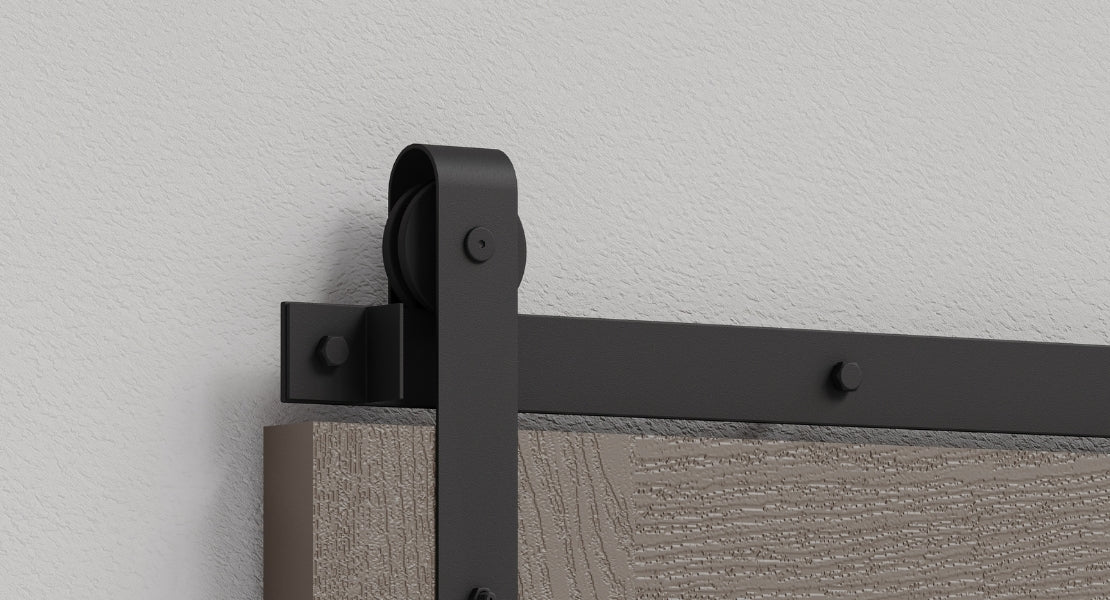



Bypass Tracks Guide: Your Essential Resource for 2026
Have you noticed how bypass tracks are popping up everywhere in modern homes and commercial spaces lately? It is not just a passing trend; bypass tracks have become a go-to solution for architects and designers looking to make the most of every inch.
Why are they suddenly so popular? Bypass tracks help you optimize space, improve accessibility, and add a layer of flexibility to almost any environment, whether you are revamping your home or planning a large office.
If you are feeling curious or even a little overwhelmed by the options, you are in the right place. This guide is designed to help you understand, choose, and install bypass tracks with total confidence.
Ready to dive in? We will cover everything from the basics and benefits to advanced installation tips, maintenance, and the latest trends for 2026.
Understanding Bypass Tracks: Fundamentals and Benefits
If you have ever wished for a smarter way to manage space in your home or office, bypass tracks are likely the answer you have been searching for. These clever systems allow two or more doors to slide past each other on parallel tracks, making it easy to access large openings without needing extra wall space. The core function of bypass tracks is simple: maximize usable area by letting doors overlap instead of swinging open, which is perfect for tight spots or modern, open-concept designs.

So, how do bypass tracks differ from the standard sliding door hardware you might be used to? With traditional sliding doors, you are usually limited to a single panel moving along one track. Bypass tracks, on the other hand, feature two or more tracks side by side, allowing each door to glide independently. This means you can open one section while keeping the other closed, or even move multiple panels at once. The result is a more dynamic and flexible solution for dividing spaces or concealing storage.
Let’s break down the major advantages of bypass tracks. First, they are champions when it comes to saving space. Because doors travel parallel to the wall, you never lose valuable floor area to swinging doors. Second, bypass tracks make it possible to operate several doors together, which is ideal for wide closets or large partitions. Third, they offer incredible design flexibility, letting you choose from a range of materials and finishes to match your style. Here’s a quick comparison:
| Feature | Bypass Tracks | Traditional Sliding |
|---|---|---|
| Space-saving | ✔️ | Limited |
| Multi-door operation | ✔️ | ✖️ |
| Design flexibility | ✔️ | Moderate |
| Large openings | ✔️ | ✖️ |
You’ll spot bypass tracks in all kinds of settings. In homes, they are the go-to for closets, pantries, and laundry rooms. Offices often use them for conference rooms and movable wall systems. Retailers love them for flexible displays and storage areas. For example, many modern condos and apartments are now built with wide closets that rely on bypass tracks for easy access. According to industry stats, installations are expected to grow by 15% by 2026, driven by demand for efficient, stylish solutions. If you want to learn more about sizing, check out the Classic Double Bypass Hardware Sizing guide for detailed info.
One of the main challenges bypass tracks solve is working around limited wall space. In older homes or compact offices, there is often just not enough room for doors to swing out or slide to the side. Bypass tracks eliminate that problem, giving you full access without compromise. This is why you are seeing bypass tracks become a standard feature in both new construction and renovation projects. They are not only practical but also add a sleek, modern touch that fits with today’s interior trends.
Types of Bypass Tracks and Their Applications
Choosing the right bypass tracks can feel overwhelming with so many options available. Whether you are updating a home, designing an office, or managing a commercial build, understanding the different types and their applications is essential. Let’s break down the main categories and see where each style shines.

Single vs. Double Bypass Tracks
When you think about bypass tracks, the first decision is often between single and double track systems. Single bypass tracks allow one door to slide past another, making them perfect for closets and tight spaces. Double bypass tracks, on the other hand, let two or more doors move independently, which is ideal for wide openings or as room dividers.
Here’s a quick comparison:
| Feature | Single Bypass Tracks | Double Bypass Tracks |
|---|---|---|
| Typical Use | Closets, pantries | Room dividers, offices |
| Door Material | Wood, glass, metal | Wood, glass, metal |
| Max Door Panels | 2 | 2 or more |
| Weight Capacity | Moderate | Higher |
For example, modern office partitions often use double bypass tracks to create flexible meeting spaces. Homeowners love single bypass tracks for closets where space is at a premium. Want technical details? Check out the Double Track Roller Specs and Clearances for a deep dive into measurements and compatibility.
Weight capacity is another factor. While single systems work well for lighter household doors, double bypass tracks are built to handle heavier commercial panels. As we look toward 2026, user trends show a growing preference for double systems in open-plan layouts and shared workspaces.
Top-Mount vs. Bottom-Mount Systems
Bypass tracks come in two main mounting styles: top-mount and bottom-mount. Top-mount systems suspend the doors from above, creating a sleek, modern look. They’re often used in lofts or retail spaces where you want that floating effect and minimal floor hardware.
Bottom-mount tracks, in contrast, support the door’s weight from below. These are popular in historic homes where ceiling support is limited, or where original architectural details need to be preserved. Bottom-mount systems can also be easier to retrofit in older buildings.
Let’s compare:
| System Type | Pros | Cons | Best For |
|---|---|---|---|
| Top-Mount | Clean look, easy to clean | Needs strong ceiling support | Modern lofts, retail |
| Bottom-Mount | Good for heavy doors | Visible floor track | Historic homes, retrofits |
Durability matters, too. Top-mount bypass tracks often require less maintenance since debris is less likely to collect in the track. In retail store fitting rooms, top-mount tracks are favored for their smooth operation and easy cleaning. Market data shows top-mount options are gaining share, especially in new construction where contemporary aesthetics rule.
Specialty Bypass Tracks: Heavy-Duty, Soft-Close, and Custom Solutions
Not all bypass tracks are created equal. For industrial and commercial projects, heavy-duty bypass tracks are designed to support oversized or extra-heavy doors. These tracks use reinforced materials and precision rollers for reliable, long-term performance.
Soft-close bypass tracks are another innovation, gently slowing the door as it reaches the end of its travel for a quiet, safe experience. Many families and businesses appreciate this feature for noise reduction and added safety, especially in high-traffic areas.
Custom bypass tracks allow for unique architectural needs. Imagine a hotel conference center with curved glass panels or a creative studio with oversized barn doors. In these scenarios, custom solutions are a must. Technology is advancing, so expect more features like integrated lighting and smart controls by 2026.
Cost can vary widely. Heavy-duty tracks require a larger investment upfront but offer lasting value. Consumer reviews praise the peace of mind that comes with reliable, smooth operation and fewer repairs.
Common Applications in Residential and Commercial Settings
Bypass tracks are showing up everywhere, thanks to their versatility. In homes, you’ll find them on pantries, laundry rooms, and closets. Offices use bypass tracks for flexible partitions and meeting spaces. Hotels and commercial spaces rely on multi-panel installations to manage large openings and maximize usable space.
Some popular applications include:
- Large sliding doors for conference rooms
- Multi-panel closet systems in new condos
- Smart home integration for automated door control
- ADA-compliant entries for improved accessibility
Interior designers note that bypass tracks are now a feature in 40% of new condos for 2025-2026. The integration with smart home systems is also on the rise, allowing you to control doors with a voice command or app. As more projects seek universal design and accessibility, bypass tracks are positioned as a standard solution.
How to Choose the Right Bypass Track System
Choosing the perfect bypass tracks for your space can feel overwhelming, but breaking it down makes things easier. You want a system that not only fits your design vision but also meets practical needs, from space constraints to long-term value. Let’s walk through each step so you can confidently select the right bypass tracks for your project.

Assessing Your Space and Needs
When starting your search for bypass tracks, the first step is understanding your space. Ask yourself: How wide is your door opening? Is there enough wall space for the doors to slide without obstruction?
Measure the width and height of the opening, then check the available wall area on each side. Ceiling height will also influence your choices for bypass tracks, especially if you’re considering floor-to-ceiling doors or heavy materials.
Think about how often the doors will be used and by whom. High-traffic areas or spaces that need accessibility, like ADA compliance, might require more robust bypass tracks. Don’t forget to note the door weight and thickness, as these affect track compatibility.
Gather the right tools for measuring—think tape measure, level, and notepad. Many people make the mistake of overlooking obstacles like light switches or furniture, so double-check your clearances. Careful planning now will save headaches later.
Material, Finish, and Design Options
Once you know your space, it’s time to get creative with bypass tracks. The material you choose matters for both durability and style. Common options include steel, aluminum, and stainless steel. Steel bypass tracks are strong and reliable, while aluminum is lighter and often easier to handle for DIY projects.
Finishes can change the entire vibe of your room. Matte black and brushed nickel are popular for 2026, but custom colors are on the rise for those who want something unique. Are you aiming for a modern, rustic, or industrial look? For example, a farmhouse kitchen pairs beautifully with rustic steel bypass tracks, adding character and function.
Don’t forget to factor in maintenance. Some finishes require more upkeep to stay looking their best, while stainless steel resists fingerprints and corrosion. As trends evolve, mixing finishes and materials is becoming more common, giving you even more flexibility to match your décor while ensuring your bypass tracks last for years.
Compatibility with Door Types and Sizes
Not all bypass tracks work with every door, so compatibility is key. Consider what material your doors are made of—wood, glass, or metal each has distinct needs. Heavier doors demand stronger tracks and rollers, while thinner doors might require special adapters or hardware.
Check the weight and thickness limits for different bypass tracks. If your doors are wider or taller than standard, look for systems that offer custom sizing. Retrofitting older doors with new bypass tracks is possible, but you’ll need to confirm that the hardware matches up.
For more technical details, such as clearance requirements and roller specs, you can consult resources like the Single Track Bypass Roller Specifications. This helps you avoid surprises during installation. Remember, following manufacturer recommendations will ensure your bypass tracks operate smoothly and safely.
Budgeting and Long-Term Value
Budgeting for bypass tracks is about more than just the initial price tag. Entry-level systems can start at a modest price, while mid-range and premium options offer more features, durability, and style choices. Consider the long-term value, not just upfront costs.
A simple table can help you compare:
| System Level | Price Range | Features | Lifespan |
|---|---|---|---|
| Entry-Level | $ | Basic operation | 5–7 years |
| Mid-Range | $$ | More finishes, soft-close | 8–12 years |
| Premium | $$$ | Custom, heavy-duty | 15+ years |
Look for warranties and support—some brands offer limited lifetime coverage, which can save money down the line. Think about return on investment, especially if you’re installing bypass tracks in rental properties or commercial spaces. Watch for hidden costs like professional installation or extra accessories, and always factor in the expected lifespan of your chosen system.
Step-by-Step Installation Guide for Bypass Tracks
Getting ready to install bypass tracks? With the right preparation, this project can be straightforward and even enjoyable. Let’s walk through the process together, making sure you have all the info and confidence you need. Whether you’re a DIY enthusiast or working with a pro, these steps will help ensure your bypass tracks operate smoothly and look great for years.

Pre-Installation Planning and Tools
Before you even pick up a drill, it’s crucial to plan your bypass tracks installation carefully. Start by measuring the width and height of your door opening. Accurate measurements ensure your bypass tracks will fit perfectly and function as intended.
Next, gather essential tools. You’ll need a tape measure, pencil, level, drill, screwdriver, stud finder, and appropriate safety gear like goggles and gloves. Clear the workspace of furniture and debris, and mark out where your bypass tracks will be mounted.
Take a moment to review the manufacturer’s instructions. For a detailed walkthrough, you can consult the Installation Manual for Bypass Tracks, which provides diagrams and step-by-step tips. Checking these resources helps you avoid common pitfalls like misaligned tracks or missing fasteners.
If you’re installing bypass tracks for a large or heavy door, consider enlisting a friend or hiring a professional. Double-check all measurements and markings before you start drilling. Remember, careful preparation now saves you lots of time and frustration later.
Installing the Track System
With your planning complete, it’s time to install the bypass tracks. Begin by marking the exact spots for your brackets or mounting hardware. Use a stud finder to ensure your screws anchor securely, especially if your doors are on the heavier side.
Hold the track up to your marks and check for level. Even a slight tilt can cause the doors to slide unevenly. Drill pilot holes for your screws, then attach the brackets or mounts to the wall or ceiling, depending on your system type.
Next, secure the bypass tracks to the brackets. Make sure each track is parallel and properly spaced to allow doors to slide past one another without interference. For multi-track setups, use the included templates to maintain consistent spacing.
Take your time during this step. Rushing can lead to misaligned tracks, which affect door movement and long-term durability. If you run into any confusion, the installation manual is a helpful reference for troubleshooting.
After the tracks are in place, double-check all fasteners for tightness. Give the tracks a gentle tug to confirm they’re secure and ready for the next phase.
Hanging and Adjusting the Doors
Now for the fun part: hanging the doors onto your new bypass tracks. Attach the rollers or hangers to the top of each door panel, following the provided instructions. Most systems have adjustable hardware to fit doors of varying thickness.
Carefully lift each door and align the rollers with the track opening. Slide the doors onto the bypass tracks, making sure they move freely from side to side. Check for smooth gliding and proper overlap between doors, which is key for privacy and appearance.
Once all doors are in place, adjust the stoppers at each end of the track. These prevent doors from sliding off or banging into the wall. Some systems also feature anti-jump devices for added safety, which you should install at this stage.
Test the doors several times, opening and closing them fully. If you notice any sticking or uneven movement, tweak the roller positions or track alignment until everything works seamlessly. Safety always comes first, so don’t skip these checks.
Finishing Touches and Final Checks
With your bypass tracks and doors installed, it’s time for the finishing touches. Install any door handles, floor guides, or soft-close mechanisms that came with your kit. These accessories enhance both the look and performance of your bypass tracks.
Wipe down the tracks and doors to remove dust from installation. A quick clean keeps your new system looking sharp and operating smoothly. If you opted for decorative hardware, now’s the time to add those unique touches that personalize your space.
Finally, perform a full operational test. Open and close each door, ensuring the bypass tracks support even, quiet movement and that all stoppers and guides are secure. If you spot any issues, refer back to the installation manual for quick fixes.
Congratulations! You’ve just completed a bypass tracks installation that will serve you well for years, adding both style and functionality to your home or workspace.
Maintenance, Troubleshooting, and Upgrades
Keeping your bypass tracks in top condition is easier than you might think. Regular care not only ensures smooth operation but also extends the life of your system. Whether you're a homeowner, facility manager, or DIY enthusiast, understanding how to maintain, troubleshoot, and upgrade bypass tracks can save you time, money, and frustration in the long run.
Routine Maintenance and Cleaning
Routine maintenance is essential for bypass tracks to function smoothly. Start by gently cleaning the tracks and rollers with a soft cloth, removing dust and debris. For tough buildup, use a mild detergent and avoid harsh chemicals that could damage the finish. Lubricate the rollers and tracks every few months using a silicone-based spray to keep movement quiet and effortless.
Set a quarterly maintenance schedule to prevent issues before they start. Here's a simple checklist:
- Wipe down tracks and rollers
- Inspect for loose screws or brackets
- Apply lubricant to moving parts
- Check for signs of wear
Manufacturers often recommend specific cleaning products, so always check your manual before starting. Regular maintenance can reduce repair rates for bypass tracks by up to 30 percent, according to competitor statistics. With these quick steps, you ensure your bypass tracks remain reliable and efficient year after year.
Troubleshooting Common Issues
Even with regular care, bypass tracks can develop issues like noisy operation or sticking doors. If you notice squeaking or resistance, check for dirt or debris lodged in the track. Tighten any loose hardware and inspect rollers for signs of wear. Misalignment is another common problem, causing doors to drag or overlap incorrectly.
For detailed instructions on resolving alignment and installation problems, refer to the Bypass Track Installation Guide. It offers step-by-step solutions for common challenges. If a door is dragging, try adjusting the stoppers and anti-jump features. Sometimes, replacing worn rollers or guides restores smooth movement.
Wondering when to call a professional? If repairs involve structural changes or persistent hardware failure, expert help might be necessary. Most issues with bypass tracks, however, can be resolved with basic tools and a little patience.
Upgrading and Retrofitting Bypass Tracks
Upgrading your bypass tracks can breathe new life into any space. Notice increased noise, difficulty sliding, or outdated hardware? These are signs it's time to consider an upgrade. Modern options include soft-close mechanisms for quieter operation, anti-jump features for safety, and decorative hardware for a style boost.
Retrofitting older doors with new bypass tracks is a smart way to extend their usability. Many systems now offer custom sizing, so you can adapt existing doors to modern standards. Check compatibility with your door material and weight before selecting new hardware.
Here's a quick comparison of popular upgrade features:
| Feature | Benefit | Typical Cost |
|---|---|---|
| Soft-close | Quiet, safe closing | $$ |
| Heavy-duty tracks | Supports large doors | $$$ |
| Decorative kits | Style enhancement | $-$$ |
Upgrading bypass tracks adds long-term value and improves day-to-day function, making it a worthwhile investment for both homes and commercial spaces.
Safety and Compliance Considerations
Safety and compliance are crucial when installing or upgrading bypass tracks, especially in spaces used by children, pets, or people with disabilities. Always check that the system includes anti-jump and anti-slam features to prevent accidents. For commercial installations, ensure your bypass tracks meet ADA requirements for accessibility.
Fire safety and egress are also important. In schools, healthcare facilities, or hotels, bypass tracks must not block emergency exits or compromise safety codes. Consult industry standards for 2026 to stay up-to-date with the latest requirements.
Simple steps, like installing childproof locks or choosing soft-close mechanisms, can greatly improve safety around bypass tracks. Regularly inspect all hardware and replace worn parts promptly. By staying proactive, you create a safer, more compliant environment for everyone who uses your bypass tracks.
Future Trends and Innovations in Bypass Track Systems
The world of bypass tracks is evolving rapidly, with technology and design trends reshaping what you can expect from these systems in 2026. If you are planning a renovation or new build, understanding where the industry is headed will help you make smarter choices and future-proof your space.
One of the biggest shifts in bypass tracks is the rise of smart technology. Imagine controlling your sliding doors with a simple voice command or through your smartphone. Automated bypass tracks are already making waves in both homes and commercial spaces, offering convenience, accessibility, and security. According to industry forecasts, demand for automated bypass tracks is expected to rise by 20% by 2026, as more people seek seamless integration with smart home systems.
Sustainability is also taking center stage. Manufacturers are introducing bypass tracks made from recycled metals and eco-friendly finishes, reducing environmental impact without sacrificing durability. If you care about green building practices, you will find more options designed to meet LEED and other sustainability standards. These changes not only benefit the planet but also appeal to eco-conscious homeowners and businesses.
Design trends are shifting toward minimalism, industrial aesthetics, and biophilic elements. Bypass tracks are now slimmer, with concealed hardware and finishes that blend into the background or make a bold statement. Whether you prefer matte black, brushed nickel, or natural wood tones, there is a style to match your vision. Interior designers report that minimalist bypass tracks are especially popular in open-plan offices and contemporary homes.
Automation is not just a buzzword, it is becoming the norm in track-based systems. The Conveyor Systems Market Forecast highlights a growing global demand for automated track solutions, which is spilling over into architectural hardware. You will see more bypass tracks equipped with sensors, soft-close features, and programmable settings for personalized comfort.
Architects and designers are embracing bypass tracks as flexible solutions for both residential and commercial projects. Their ability to handle larger, heavier doors and to create adaptable spaces makes them ideal for conference rooms, hotels, and multi-family residences. Experts predict that bypass tracks will become a standard feature in new construction, with customization options expanding to fit unique layouts and accessibility needs.
Looking ahead, you can expect to see bypass tracks that connect directly with your home automation hub. For example, a simple script like this could open your living room doors when you arrive home:

To stay ahead, focus on systems that offer upgrade paths for new tech and features. Choose hardware that is compatible with app integration, voice control, and sustainable materials. By keeping an eye on these trends, you will ensure your bypass tracks remain stylish, functional, and future-ready.
So, after diving into everything about bypass tracks—from the basics to picking the right system and even keeping things running smoothly—you might be thinking, “Okay, where do I actually start if I want quality hardware and real support?” That’s where I’d point you to The Barn Door Hardware Store. Whether you’re tackling your first home project or gearing up for a big commercial upgrade, they’ve got a great selection, free shipping, and a limited lifetime warranty. Plus, their team really knows their stuff and has your back if you ever get stuck. Why not check them out and see what fits your vision?
