


Heavy Duty Rolling Door Hardware Guide: Expert Insights 2026
Did you know that over 60% of industrial facilities prioritize upgrading their heavy duty rolling door hardware for better security and reliability? Choosing the right solution is crucial for protecting your assets, ensuring smooth daily operations, and reducing costly downtime. In this guide, you’ll discover expert strategies to confidently select, install, and maintain the best hardware for any demanding application. Ready to solve common door challenges and see which 2026 innovations can future-proof your space? Let’s dive in.
Understanding Heavy Duty Rolling Door Hardware
Choosing the right heavy duty rolling door hardware isn't just about picking strong parts—it's about understanding what sets this hardware apart and why it matters for your project. If you’re planning for a warehouse, busy retail space, or even a large custom garage, let’s break down what you really need to know.

What Qualifies as Heavy Duty Hardware?
Heavy duty rolling door hardware is engineered to handle serious loads—think doors weighing 300 pounds or more. You’ll find these systems made from solid steel or reinforced alloys, built to take daily punishment without failing. Unlike standard hardware, which might bend or wear out fast, heavy duty options are tested to meet strict industry standards like UL 325 and ANSI/BHMA.
What does this mean for you? These are the systems you see on warehouse loading bays, giant factory doors, and large commercial entries. When reliability and safety are non negotiable, only certified heavy duty rolling door hardware will do.
Core Components and Their Functions
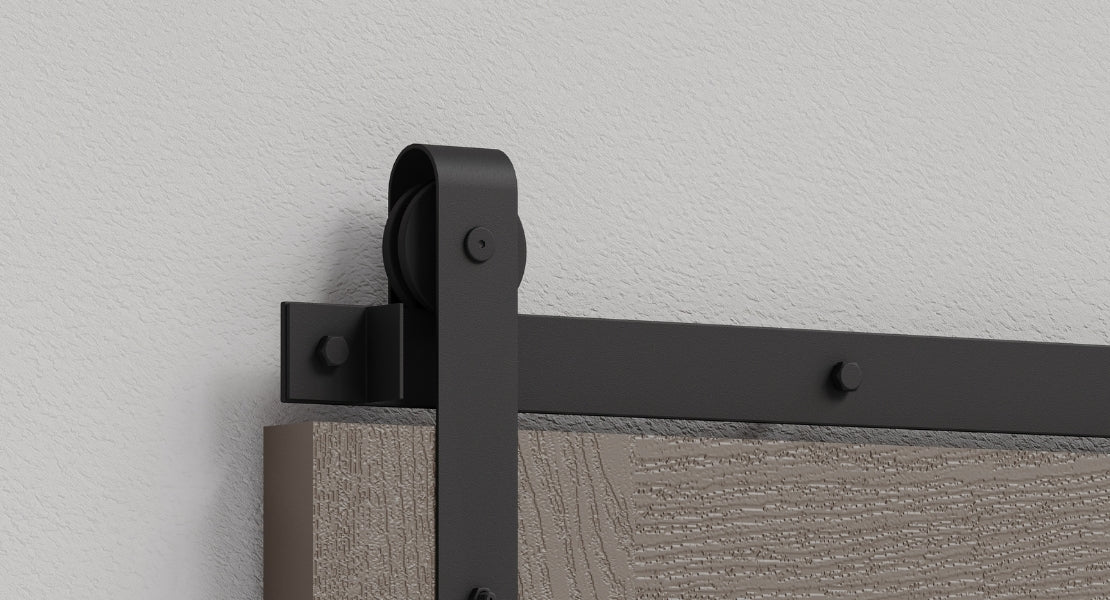
Let’s peek inside a typical heavy duty rolling door hardware kit. You’ll find:
- Tracks: Guide the door smoothly along its path.
- Rollers: Carry the door’s weight, ensuring easy movement.
- Hangers: Attach the door to the rollers.
- Brackets: Secure everything to the wall or ceiling.
- Stops: Prevent the door from rolling off the track.
Each component must work together seamlessly. If one part is out of spec, the whole system can jam or wear out quickly. For example, a warehouse sliding door kit might include extra large rollers and reinforced hangers to handle oversized panels. Compatibility and integration are key—mixing and matching from different brands can spell trouble for your heavy duty rolling door hardware project.
Types of Rolling Door Hardware Systems
You’ve got several choices when it comes to heavy duty rolling door hardware systems. There are single track and double track setups, depending on how many doors you want to move. Top hung systems suspend the door from above, which is great for clean floors, while bottom rolling mechanisms support weight on the ground—ideal for super heavy doors.
Looking for modern convenience? Automated (motorized) systems are gaining popularity for high traffic sites. Specialty options include fire rated, soundproof, and weather resistant systems, each designed for unique challenges. If you’re comparing track specs for your project, check out these Heavy Duty Single Track Specifications to see how clearances and capacities stack up.
Key Performance Metrics
Performance is about more than brute strength. Top quality heavy duty rolling door hardware is cycle tested for 100,000 or more open/close operations, with load ratings that always include a safety margin. Look for features that handle the environment—corrosion resistant finishes, temperature tolerant materials, and sealed bearings are all smart choices.
Noise reduction matters, too, especially in retail or office settings. Some kits use delrin wheels or dampeners to keep things quiet. Don’t forget—choosing hardware that stands up to your site’s daily demands is what keeps your doors running smoothly for years.
Common Applications in 2026
Where will you see heavy duty rolling door hardware in action? Industrial spaces like warehouses, factories, and distribution centers lead the way, making up 60 percent of all sales according to a 2025 market report. But you’ll also spot these systems in commercial settings—think retail storefronts, hotels, and hospitals.
Even residential projects are getting in on the trend, with custom garages, workshops, and home studios opting for heavy duty rolling door hardware for both style and performance. No matter the setting, the focus is always on security, durability, and reliable operation.
How to Choose the Right Heavy Duty Rolling Door Hardware
Selecting heavy duty rolling door hardware can feel overwhelming, especially with so many technical specs and options on the market. But with a step-by-step approach, you can confidently find the perfect fit for your needs, whether you're upgrading a busy warehouse or customizing your home workshop.

Assessing Door Weight and Dimensions
The first step in choosing heavy duty rolling door hardware is to accurately calculate your door's weight and size. Why does this matter? Because hardware is rated for specific loads, and exceeding those limits can lead to early failure or safety risks.
Start by adding up the weight of all door materials, including any reinforcements or cladding. Measure the door's width, height, and thickness to ensure precise hardware sizing. Manufacturer load rating charts are your best friend here, helping you match your door to the right hardware specs. For a detailed breakdown, check out the Barn Door Weights and Sizing Guide to make sure your hardware can handle the job.
Evaluating Environmental and Usage Demands
Next, think about where and how your door will be used. Is it exposed to rain, snow, or harsh chemicals? Does it get opened dozens of times a day, or only occasionally? These factors directly influence which heavy duty rolling door hardware you should choose.
For outdoor or corrosive settings, look for weather-resistant finishes and sealed bearings. If your door will see high-frequency use, opt for hardware rated for more cycles per day, which boosts reliability and longevity. Always factor in security needs—some environments require tamper-resistant or locking features for added protection.
Material and Finish Options
Not all heavy duty rolling door hardware is created equal when it comes to materials and finishes. Your choice affects not just durability, but also appearance and maintenance.
| Material | Pros | Cons |
|---|---|---|
| Galvanized Steel | Strong, affordable, corrosion-resistant | Can look industrial, heavier |
| Stainless Steel | Superior corrosion resistance, sleek look | Higher cost |
| Powder-Coated | Custom colors, extra protection | May chip under impact |
Choose galvanized or stainless steel for tough environments. Powder-coated options offer design flexibility, especially for visible installations. Think about the look you want and the level of maintenance you're willing to commit to.
Compatibility with Door Types and Configurations
Doors come in all shapes and sizes—sliding, folding, oversized, or even custom builds. Ensure your heavy duty rolling door hardware is compatible with your specific door type and opening.
Retrofitting existing doors? Double-check that new hardware aligns with current mounting points and clearances. For unique or non-standard doors, consider custom hardware kits. Don't forget to verify system integration if your installation involves automation or specialty accessories.
Safety and Compliance Considerations
Safety should never be an afterthought. Heavy duty rolling door hardware must meet OSHA, ADA, and local code requirements for your location. Fire-rated doors often need special hardware to maintain egress and safety standards.
Look for hardware with anti-lift and tamper-resistant features, especially in commercial or industrial settings. Double-check that your chosen hardware carries the right certifications, like UL or ANSI/BHMA, to simplify inspections and insurance coverage.
Budgeting and Total Cost of Ownership
While it’s tempting to focus only on upfront price, true value comes from balancing cost with performance and longevity. Entry-level heavy duty rolling door hardware may save you money now, but could require more repairs or replacements down the road.
Consider maintenance needs and upgrade options. For example, investing in premium rollers or automated systems may pay off with smoother operation and fewer service calls. A real-world comparison often shows that higher-quality hardware delivers better ROI in demanding settings.
Step-by-Step Installation Guide for Heavy Duty Rolling Door Hardware
Ready to install your heavy duty rolling door hardware? With the right approach, you can achieve professional results while maximizing the lifespan and performance of your door system. Let’s break down each phase of the process so you can tackle your project with confidence.

Pre-Installation Planning and Site Preparation
Before you even pick up a wrench, take a step back and assess your installation area. Is your wall or support structure sturdy enough to handle the weight of heavy duty rolling door hardware? You’ll want to check for solid framing, reinforced concrete, or steel beams.
Gather the essentials: a level, measuring tape, power drill, anchors, fasteners, and safety gear like gloves and goggles. Carefully review your hardware kit’s manual and double-check compliance with local building codes. If you need extra guidance, consult detailed Installation Instructions and Manuals specific to your heavy duty rolling door hardware system.
Measuring and Marking for Accurate Placement
Precise measurements set the stage for smooth operation. Begin by measuring the width and height of your door opening, then add any required clearances for your chosen heavy duty rolling door hardware. Mark the track height and alignment points directly on your mounting surface.
Use a level to confirm everything is plumb and square. Common pitfalls include off-center tracks or uneven mounting surfaces, which can cause binding. Double-check your marks before drilling—accuracy here prevents headaches later in the process.
Installing Tracks, Hangers, and Rollers
Now it’s time to get hands-on. Secure the track to your support structure using anchors and heavy-duty fasteners rated for your hardware’s load. Each piece of heavy duty rolling door hardware must be tightly fastened to prevent sagging or misalignment.
Assemble hangers and attach rollers according to the manufacturer’s instructions. Make sure rollers glide smoothly across the track, free from debris or obstructions. Check that all components are compatible and that the system moves with minimal resistance.
Mounting the Door Panel
With your tracks and rollers in place, you’re ready to lift the door panel. This step often requires two or more people, especially when working with heavy duty rolling door hardware. Always use proper lifting techniques and safety equipment to avoid injury.
Carefully position the door panel onto the hangers and rollers, ensuring an even distribution of weight. Once mounted, verify that the door sits level and balanced. Tighten all fasteners and inspect each attachment point for security.
Adjusting and Testing the System
Adjustment is key for optimal performance. Fine-tune roller tension and align the track so the door opens and closes smoothly. Operate the door several times, listening for unusual noises or signs of binding.
Test all locking mechanisms and stops. If you notice any issues, such as sticking or uneven rolling, make incremental adjustments until the heavy duty rolling door hardware works flawlessly. This step ensures long-term reliability and safe operation.
Adding Accessories and Safety Features
Enhance your installation with accessories that boost safety and convenience. Install floor guides to keep the door on track, add stops to prevent overtravel, and use anti-jump devices to secure the door in place.
Don’t forget locks, handles, and weather seals if your application demands extra security or protection from the elements. For advanced setups, integrate your heavy duty rolling door hardware with access control or automation systems for added functionality.
Final Inspection and User Training
Before calling the job done, conduct a thorough inspection. Check every bolt, roller, and track for tightness and alignment. Operate the door through several full cycles to confirm smooth, quiet movement.
Provide clear instructions to users on how to operate and maintain the heavy duty rolling door hardware. Leave documentation for warranty and compliance purposes. A well-informed user is your best line of defense against premature wear or avoidable issues.
Maintenance and Troubleshooting: Maximizing Hardware Longevity
Keeping your heavy duty rolling door hardware in top shape is the key to long-term reliability and smooth operation. If you want your investment to last and perform at its best, a solid maintenance routine is non-negotiable. Let’s walk through exactly how to keep things running like new, how to tackle common issues, and when it’s time to call in the pros.
Routine Inspection and Cleaning
Staying ahead of wear and tear means setting a regular inspection schedule for your heavy duty rolling door hardware. Most experts recommend checking all moving parts monthly, with a more thorough inspection every quarter.
Look for loose fasteners, debris build-up in tracks, and any signs of rust or corrosion. Use a soft brush or cloth to clear out dust and grit from rollers and tracks. For stubborn grime, a mild detergent and warm water do the trick.
If you spot any early signs of wear, like scuffed rollers or bent brackets, take action right away. Consistent cleaning and keen observation are your first line of defense in preventing costly repairs to your heavy duty rolling door hardware.
Lubrication and Adjustment Best Practices
Proper lubrication is the secret to long-lasting heavy duty rolling door hardware. Use a high-quality silicone or lithium-based lubricant on bearings, rollers, and tracks. Avoid oil-based products, as they can attract dirt and gum up the works.
Plan to lubricate every three to six months, or more often for high-traffic doors. After lubricating, operate the door a few times to distribute it evenly.
Adjusting tension and realigning tracks is just as important. Refer to manufacturer guidelines or standards for precise instructions on hardware adjustment and safety checks. This ensures your heavy duty rolling door hardware remains smooth and quiet, even after years of use.
Common Issues and How to Fix Them
Sometimes, even with the best maintenance, problems show up. Is your heavy duty rolling door hardware making noise or sticking? Noisy operation often means the rollers need lubrication or replacement. If the door rolls unevenly, check for misaligned tracks or worn hangers.
For sticking or binding, inspect for obstructions or debris in the track. Tighten any loose fasteners and test the door’s balance. If a roller or bracket is damaged, swap it out with a compatible part designed for heavy duty rolling door hardware.
When in doubt, consult your manufacturer’s troubleshooting guide. Quick fixes can prevent small issues from turning into major headaches.
Preventing Environmental and Operational Damage
Harsh environments can take a toll on heavy duty rolling door hardware. If your door is exposed to moisture, chemicals, or extreme temperatures, consider upgrading to stainless steel or powder-coated components.
Install weather seals and floor guides to keep out debris and moisture. For heavy traffic or industrial locations, frequent inspections and more robust hardware are a must.
Protecting your investment also means keeping the area around the door clear. When you minimize risk factors, your heavy duty rolling door hardware stands up better to daily demands and the elements.
When to Call a Professional
There are times when DIY just won’t cut it. If you notice structural issues, persistent automation failures, or recurring misalignment, it’s time to bring in a qualified installer. Professionals can quickly diagnose problems and ensure your heavy duty rolling door hardware is safe and compliant.
Look for service providers with experience in your specific hardware brand and application. Keep all service records and warranty documentation organized. This not only protects your investment but also ensures you stay covered if issues arise.
A little professional help can go a long way in keeping your heavy duty rolling door hardware operating at its best.
Innovations and Trends in Heavy Duty Rolling Door Hardware for 2026
Staying ahead in 2026 means knowing what’s next for heavy duty rolling door hardware. New tech, materials, and design ideas are reshaping how you secure, automate, and customize doors for any environment. Let’s break down the trends you’ll see everywhere this year.
Smart and Automated Hardware Solutions
Automation is at the heart of 2026’s heavy duty rolling door hardware upgrades. You’ll notice more doors equipped with IoT connectivity, allowing remote operation and real-time monitoring. Integration with building management systems is now standard for warehouses and busy commercial sites.
Market data shows smart hardware adoption is up 30 percent, thanks to features like mobile app controls and predictive maintenance alerts. Automated systems make daily operation safer and more efficient, especially in high-traffic environments. For a deeper look at market growth and smart tech adoption, check out the Hardware Products of Doors & Windows Market Growth report.
If you’re planning a new build or retrofit, investing in automated heavy duty rolling door hardware will future-proof your facility and streamline your workflow.
Advances in Materials and Engineering
Material science is driving the next generation of heavy duty rolling door hardware. Manufacturers are rolling out new corrosion-resistant alloys and composite materials that cut down on weight but boost strength. These advancements result in easier installation and longer-lasting performance.
Sustainability is also a big focus. You’ll see more hardware made from recycled steel and eco-friendly finishes, helping you meet green building goals. Track and roller designs are getting sleeker, reducing friction and noise without sacrificing durability.
Choosing hardware with cutting-edge materials means less maintenance, fewer replacements, and a better return on your investment. It’s a win for your budget and the environment.
Enhanced Security and Safety Features
Security and safety are non-negotiable with heavy duty rolling door hardware. In 2026, anti-tamper locks, anti-lift brackets, and improved fire-resistant systems are widely available. Many solutions now include emergency egress options that meet updated compliance requirements.
Recent updates to standards, like those found in the DASMA 207-2020 Standard, have influenced new hardware designs to prioritize both security and user safety. Modern systems are tested for higher cycle counts and tougher environmental resistance.
By choosing certified hardware, you meet insurance and code requirements while protecting your property and the people who use it every day.
Design and Customization Trends
Heavy duty rolling door hardware is no longer just about function. In 2026, you can personalize finishes, materials, and even the visible elements to match your space’s aesthetic. Industrial-chic looks are especially popular in offices and retail, where exposed hardware becomes a design statement.
Custom branding, colored powder coats, and sleek minimal profiles are now available for demanding commercial projects. Architects and designers are collaborating with hardware suppliers to create seamless integrations that blend durability with style.
If you want your doors to stand out—or blend in—today’s customization options make it possible without sacrificing performance. The right heavy duty rolling door hardware now offers you both reliability and visual impact.
Expert Insights and Pro Tips for Selecting and Using Heavy Duty Rolling Door Hardware
Choosing heavy duty rolling door hardware can feel overwhelming, but a little expert guidance can make all the difference. Let’s break down the most common pitfalls, top tips, and must-know standards to help you get the most out of your investment.
Common Mistakes to Avoid
It’s easy to underestimate the demands placed on heavy duty rolling door hardware. Some of the most frequent mistakes include:
- Miscalculating door weight or not factoring in reinforcements
- Overlooking compatibility between the door and hardware system
- Ignoring safety features or local code requirements
If you skip these steps, you might find your hardware wearing out quickly or failing at a critical moment. Always confirm the weight and dimensions of your door before choosing hardware. Also, double-check that your chosen hardware meets required standards for your application. This attention to detail can help you avoid costly repairs and ensure your heavy duty rolling door hardware performs as expected.
Pro Tips for Optimal Performance
Want your heavy duty rolling door hardware to last? Here are some pro tips:
- Always select hardware rated above your minimum weight requirements
- Invest in premium rollers and tracks for smoother, quieter operation
- Schedule regular maintenance checks and lubricate moving parts as recommended
If your application involves bifold doors, review the Heavy Duty Bifold Hardware Specs to ensure you’re choosing the right components for your setup. Don’t forget to monitor for wear and tear, especially in high-traffic areas. Consistent upkeep is your ticket to reliable, long-term performance.
Real-World Case Studies and Applications
Let’s look at a real example. A busy distribution center upgraded to automated heavy duty rolling door hardware after repeated failures with standard systems. The result? Door downtime dropped by 40 percent, and maintenance costs were cut in half over the first year.
Lessons learned from this upgrade included the importance of choosing hardware that exceeded cycle demands and the value of integrating smart monitoring features. Whether you operate a warehouse, commercial building, or custom home project, selecting the right heavy duty rolling door hardware can dramatically improve efficiency and peace of mind.
Frequently Asked Questions (FAQs)
How do I choose between manual and automated systems?
Consider daily usage. High-frequency sites benefit from automation, while occasional-use doors can do well with manual systems.
What are the best practices for hardware longevity?
Stick to a routine maintenance schedule and use only compatible, high-quality parts. Always verify specifications, especially for bifold doors—this is where the Heavy Duty Bifold Hardware Specs resource can help.
How do I retrofit old doors with new heavy duty rolling door hardware?
Measure carefully, check for structural support, and choose hardware with adaptable mounting options.
Industry Standards and Certifications to Look For
When it comes to safety and compliance, industry standards are non-negotiable. Here’s a quick summary:
| Standard/Certification | What It Covers | Why It Matters |
|---|---|---|
| UL 325 | Door safety, operation, and controls | Ensures safe system operation |
| ANSI/BHMA A156.14 | Sliding and folding door hardware | Product quality and durability |
| Local building codes | Regional safety requirements | Legal compliance |
For a detailed look into standards and best practices, check out Lock It Up: Choosing and Installing Heavy-Duty Doors. Staying current with industry certifications keeps your project safe and insurable. Standards are updated regularly, so review them before any major installation or upgrade.
The Barn Door Hardware Store: Your Partner for Heavy Duty Solutions
When you need heavy duty rolling door hardware that meets 2026’s highest standards, The Barn Door Hardware Store is your go-to partner. Their expertise spans sliding and bifold door systems, with custom sizing and solid steel construction as hallmarks.

You’ll find heavy duty rolling door hardware designed for both industrial and commercial installations, all backed by a limited lifetime warranty and free shipping. Their team offers installation guidance and real-world examples, making it easy to see how their solutions fit demanding environments.
Request a custom quote or an expert consultation for your project. With a focus on smart features, durability, and design flexibility, The Barn Door Hardware Store stays ahead of industry trends and supports your goals for secure, seamless door operation.
So, after diving into all the ins and outs of heavy duty rolling door hardware, you might be wondering—where do you actually find top quality options that match everything we’ve covered here? That’s where I always point people to The Barn Door Hardware Store. They’ve been at this since 2016, offering everything from solid steel kits to expert installation advice, plus perks like free shipping and a lifetime warranty. If you’re ready to get serious about your project, why not check out their selection or reach out for a custom quote? Your perfect heavy duty solution could be just a click away.
