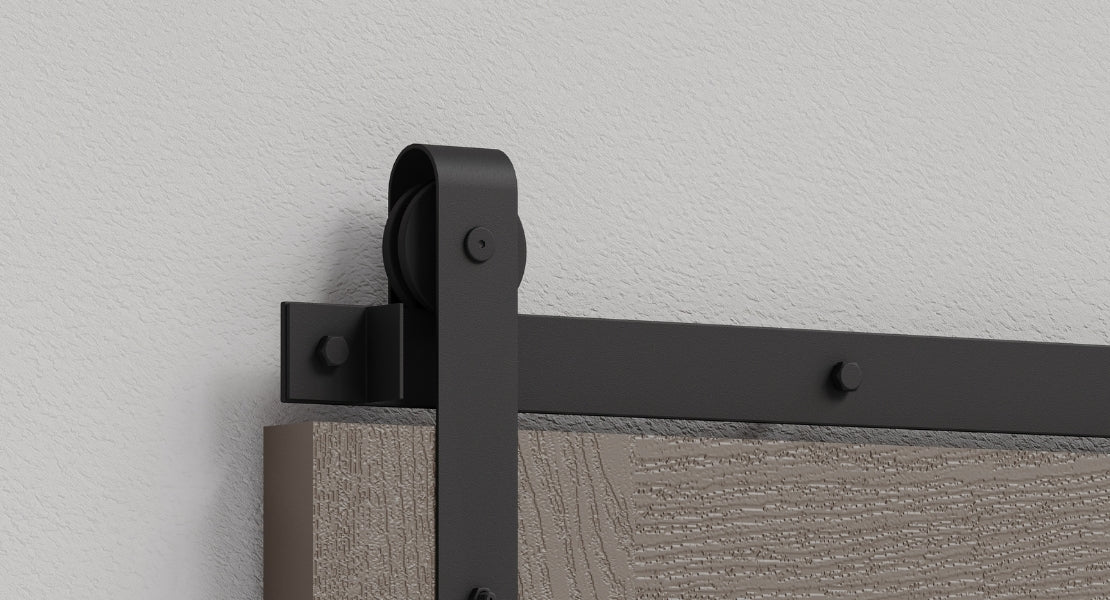



Hidden Hardware Sliding Door Guide: Modern Solutions 2026
Have you noticed how homes are getting sleeker and more minimalist each year? If you are drawn to the look of clean lines and seamless design, you are not alone. The hidden hardware sliding door is quickly becoming a must-have feature for anyone who wants a modern, clutter-free space in 2026.
What makes these doors so appealing? They do more than just look good. A hidden hardware sliding door saves valuable space, operates quietly, and creates a smooth, streamlined look that is hard to beat.
In this guide, you will discover everything you need to know about hidden hardware sliding door systems. We will explore the basics of hidden hardware, the latest innovations, how to install them step by step, ways to blend them into your decor, and expert tips for choosing the right solution.
Understanding Hidden Hardware Sliding Door Systems
Modern design is all about clean lines and simplicity, right? That’s where the hidden hardware sliding door comes in. This system tucks away all the parts you usually see, giving your space that seamless, minimalist vibe everyone’s after. Unlike traditional sliding doors with bulky tracks and rollers on display, hidden hardware systems keep everything out of sight. You’re left with only the beautiful door panel, making your home or office feel more open and organized. This approach is a favorite for those who want their interiors to feel both modern and uncluttered.

What Is Hidden Hardware?
So, what exactly is hidden hardware in the world of sliding doors? It’s a system where all the operational parts—tracks, rollers, and brackets—are cleverly concealed within the wall, ceiling, or the door itself. You get a smooth surface with nothing sticking out to catch your eye or collect dust. Compared to visible systems, hidden hardware sliding door setups offer a much sleeker look. They’re perfect if you want your interiors to feel uncluttered and modern. The benefits go beyond looks, too—these systems help smaller spaces feel bigger and keep everything quieter and tidier.
Key Components and Mechanisms
Let’s break down what makes a hidden hardware sliding door work. The main components include tracks, rollers, guides, and mounting systems, all designed to disappear behind walls or above ceilings. Materials like aluminum, stainless steel, and nylon are popular choices for their strength and quiet operation. Concealed tracks and rollers don’t just look good—they make the door glide smoothly and reduce maintenance. If you’re curious about the range of kits available, check out these Hidden Roller Barn Door Hardware Kits for inspiration.
Advantages Over Traditional Sliding Doors
Why pick a hidden hardware sliding door over the old-fashioned kind? For starters, you won’t see any exposed tracks or clunky metal. This adds a touch of sophistication to any room. With fewer external parts, there’s less to bump into or clean, making it safer and easier to maintain. You’ll also notice a quieter, smoother glide each time you open or close the door, which is a game changer for bedrooms or offices.
Popular Applications in Residential and Commercial Spaces
The hidden hardware sliding door is incredibly versatile. In homes, you’ll see them in living rooms, bedrooms, and even bathrooms, maximizing every inch of space. Offices use them to create flexible meeting areas or private work zones. Hotels and restaurants love the way these doors effortlessly divide spaces without sacrificing style. They’re suitable for both wide openings and cozy corners, making them a smart choice for nearly any setting.
Market Insights and Trends
Curious about how popular the hidden hardware sliding door has become? Industry reports show a steady rise in demand, especially among homeowners and businesses seeking a modern, integrated look. Smart door solutions are gaining traction, with features like automation and remote access. Recent years have seen impressive installations in luxury apartments and high-end offices, and experts predict this trend will only continue as people prioritize clean design and convenience.
Common Challenges and Solutions
Thinking about installing a hidden hardware sliding door? There are some challenges to keep in mind. You’ll need to make sure walls or ceilings can support the weight and movement. Proper alignment is crucial for smooth operation and a seamless finish. Maintenance is simple once everything’s in place, but regular checks help keep things running perfectly. With careful planning and the right hardware, you can avoid most common issues and enjoy a flawless installation.
Modern Solutions: Innovations in Hidden Sliding Door Hardware for 2026
The world of hidden hardware sliding door systems is evolving rapidly, and 2026 is shaping up to be a breakthrough year. If you want doors that blend perfectly with your space, you'll be excited by the range of cutting-edge materials, smart features, and design tricks now available. Let's explore the latest innovations, so you can choose a hidden hardware sliding door system that fits your vision and lifestyle.

Next-Generation Materials and Finishes
Have you noticed how materials for hidden hardware sliding door systems keep getting better each year? In 2026, manufacturers are introducing lightweight alloys and advanced composites that make installation easier and durability better than ever.
Many of these systems use aluminum or stainless steel for tracks and rollers, combined with high-grade nylon for smooth movement. Fingerprint-resistant and anti-corrosion finishes are now standard, so your doors stay looking new with minimal upkeep.
What about sustainability? More brands are turning to eco-friendly materials and green manufacturing. This shift is making it easier to choose a hidden hardware sliding door that not only looks great but also supports a healthier planet.
Advanced Track and Roller Technologies
The heart of a hidden hardware sliding door system is the track and roller mechanism. In 2026, magnetic soft-close features and self-leveling tracks are game-changers, making doors glide silently and close gently every time.
Some of the latest innovations include self-cleaning tracks that reduce maintenance and extend the life of your hardware. Leading brands are even offering systems with hidden fasteners for a truly seamless effect.
Curious about the nitty-gritty details? Check out the Barn Sliding Door Track Kit Guide for a deep dive into the newest concealed track technologies and real-world installation tips.
Smart Integration and Automation
Imagine opening your hidden hardware sliding door with just your voice or a smartphone tap. In 2026, Wi-Fi and Bluetooth connectivity are standard in many high-end systems, letting you sync your doors with home automation platforms.
Voice assistants like Alexa or Google Home can now operate your sliding doors, while built-in smart locks and sensors boost security. These features mean you can enjoy both convenience and peace of mind.
If you love tech, consider a hidden hardware sliding door system with automation options that fit your smart home setup.
Ultra-Slim and Flush-Mount Designs
Minimalism is more than a trend, it's a lifestyle. Ultra-slim profiles in hidden hardware sliding door systems are making it easier to achieve a "door disappears" look, especially in luxury apartments and hotels.
Flush-mount tracks let your door sit perfectly aligned with the wall or ceiling, making the hardware almost invisible. It's an ideal choice if you want a clean, uninterrupted flow in your space.
Designers are using these innovations to create rooms that feel open and expansive, even in smaller homes or offices.
Customization and Modular Options
No two homes or projects are exactly alike. That's why hidden hardware sliding door systems in 2026 offer more customization than ever before. Whether you need hardware for an oversized wooden door or a lightweight glass panel, modular kits let you tailor every detail.
You can mix and match components, upgrade parts, or repair systems easily with modular options. Many suppliers now offer bespoke solutions for unique layouts or challenging installations.
If your space has special requirements, look for a hidden hardware sliding door with flexible, customizable hardware options.
Sustainability and Energy Efficiency
Eco-conscious homeowners are driving demand for sustainable hidden hardware sliding door systems. Insulated tracks and weather-sealed guides help reduce drafts and improve energy efficiency, especially in modern homes aiming for green certifications.
These systems can contribute to lower utility bills and a smaller carbon footprint. Some manufacturers even offer LEED-certified products or use recycled materials in their hardware.
Choosing a sustainable hidden hardware sliding door doesn't mean sacrificing style or performance, so it's a win-win.
Industry Data and Consumer Preferences
The market for hidden hardware sliding door systems is booming. Recent studies show consumers are prioritizing quiet operation, minimalist aesthetics, and automation features more than ever before.
Compared to traditional sliding doors, hidden hardware options are quickly gaining market share, especially in new construction and high-end renovations. Industry experts predict steady growth through 2027, with even more innovation on the horizon.
If you're planning a remodel or new build, now is the perfect time to explore a hidden hardware sliding door system tailored to your needs.
Step-by-Step Guide: Installing a Hidden Hardware Sliding Door System
Ready to transform your space with a hidden hardware sliding door? Let's break down the process so you can install your new system with confidence, whether you’re a seasoned DIYer or trying this for the first time.
Pre-Installation Planning
Every successful hidden hardware sliding door project begins with careful planning. First, assess the wall or ceiling structure to ensure it can support the weight of your door and hardware. Not all openings are created equal, so double-check for studs, beams, or masonry that might affect installation.
Accurate measurements are crucial. Measure the width and height of your door opening and the door panel itself. Select a hidden hardware sliding door kit that matches your door's weight, thickness, and material.
Gather all tools and safety gear before you start. This usually includes a drill, level, measuring tape, stud finder, and protective equipment. Before proceeding, review the manufacturer’s instructions or consult a Concealed Sliding Door Installation Guide for step-by-step details specific to your hardware.
Preparing the Opening and Mounting Surface
With your plan in place, clear the installation area of any obstacles. Mark where the track and guides will be installed. If you’re retrofitting a hidden hardware sliding door into an existing space, make sure old trim, baseboards, or debris are removed.
Reinforce the wall or ceiling if needed. For heavier doors, extra blocking or support may be necessary behind drywall. Use a level to check that your mounting surface is perfectly plumb and flat. Uneven surfaces can cause misalignment and poor sliding performance.
If you’re working in new construction, consider integrating the track into the ceiling or wall cavity for a truly seamless look. For remodels, surface-mount solutions are available but still offer a concealed finish.
Installing the Concealed Track and Guides
Now it's time to install the concealed track. Start by marking the track’s position according to your measurements. Use a level to ensure it’s straight, then pre-drill holes if required.
Mount the track securely to the ceiling or wall, following the manufacturer's recommendations for fastener type and spacing. Next, attach the door guides at the floor or wall to keep the hidden hardware sliding door stable during operation.
For a flawless finish, use hidden fasteners or cover plates to conceal screws and mounting points. Test the track by running a roller or small object across it to check for smoothness and stability.
Attaching the Door Panel
Attaching the door panel is a critical step. Install the mounting hardware onto the door, making sure it’s centered and securely fastened. With help, lift the door and hook it onto the rollers inside the concealed track.
Once the hidden hardware sliding door is hanging, adjust the rollers and guides so the door glides smoothly and sits flush with the wall. Check for even gaps on all sides, as this ensures both aesthetics and proper operation.
If your system has a soft-close mechanism, test it to make sure it engages correctly. Make small adjustments as needed to achieve the best fit.
Final Adjustments and Testing
Before calling the job done, it’s time for detailed adjustments. Slide the hidden hardware sliding door back and forth, checking for any sticking points or uneven movement. Fine-tune the roller height and guide position until the door operates smoothly and quietly.
Secure any cover panels or trim pieces to hide the hardware completely. Inspect all fasteners and mounting points to ensure nothing has come loose during installation.
If you notice noise or resistance, check for misalignment or debris in the track. Address issues immediately to prevent long-term damage.
Safety and Maintenance Tips
To keep your hidden hardware sliding door performing at its best, regular maintenance is key. Inspect concealed components periodically for signs of wear or dirt buildup. Use a soft cloth and gentle cleaner to clean tracks and rollers.
Lubricate moving parts with a silicone-based lubricant as recommended by the manufacturer. Replace worn rollers or guides promptly to avoid operational issues.
Always check that the door and hardware remain securely fastened, especially in high-traffic areas. Keeping up with these simple steps will ensure your hidden hardware sliding door remains a stylish and functional feature in your home for years to come.
Design Integration: Achieving Seamless Aesthetics with Hidden Sliding Doors
Thinking about how to make your space look effortlessly modern? Integrating a hidden hardware sliding door is one of the best ways to achieve that seamless, minimalist vibe. Let’s break down how to get the look just right for your home or office.
Matching Door Styles and Finishes
Choosing the right style and finish for your hidden hardware sliding door can set the tone for your entire space. Whether you love modern, rustic, or industrial interiors, there’s a finish that fits your vision. Matte black and brushed steel are especially popular for 2026, but custom colors are also on the rise.
You might want to explore the Modern Barn Door Hardware Collection for inspiration on finishes that complement contemporary and minimalist spaces. High-end projects often mix sleek finishes with subtle textures, creating a focal point that still blends in.
Wall and Ceiling Integration Techniques
The real magic of a hidden hardware sliding door is in how it disappears into your architecture. Flush-mount installations and recessed tracks are key. Creative use of wall panels and trim can conceal tracks and fasteners, giving you that smooth, continuous surface.
If you’re working with drywall, wood, or concrete, each material offers unique options for hiding the hardware. Pay close attention to alignment and depth to avoid any awkward bumps or visible gaps.
Lighting and Smart Home Features
Lighting can take your hidden hardware sliding door to the next level. Integrated LED strips along the track or door edge create a soft glow and highlight the door’s movement. Some smart home systems can even trigger ambient lighting as the door opens or closes.
Imagine a setup where you simply say a command, and your door slides open while the lights adjust automatically. Case studies show that voice-activated sliding doors are becoming a favorite feature in luxury smart homes.
Space Optimization and Accessibility
A hidden hardware sliding door is a game-changer for tight spaces. They work wonders in corners, hallways, or areas where a swinging door just isn’t practical. Multi-panel designs let you open up wide sections, creating flexible layouts for open-plan living.
Accessibility matters, too. ADA-compliant systems ensure that everyone can use the door comfortably, without sacrificing style. You get both form and function for modern living.
Common Design Mistakes and How to Avoid Them
Even the best hidden hardware sliding door can fall short if you overlook a few essentials. Here are some pitfalls to watch for:
- Forgetting structural reinforcement for heavier doors
- Choosing finishes that clash with existing decor
- Leaving visible hardware or uneven gaps
- Skipping precise measurements during installation
Avoid shortcuts. Taking the time to plan and align everything properly ensures a flawless finish that lasts.
Real-World Inspirations and Trends
Designers are getting creative with hidden hardware sliding doors in both homes and offices. You’ll see them in stylish lofts, boutique hotels, and high-tech workspaces. Interviews with top designers reveal a trend toward blending doors with wall paneling or using bold, custom finishes for contrast.
For 2026, expect to see more visual galleries and digital showrooms showcasing these doors in real settings. These images spark ideas and show how the right installation can truly transform a space.
Expert Recommendations and Buying Guide for 2026
Are you ready to elevate your space with a hidden hardware sliding door? Deciding which system is right for your project can feel overwhelming with so many options out there. Let's break down the essentials, so you can confidently choose, buy, and install a system that fits your vision and needs.
How to Choose the Right Hidden Hardware System
Choosing the best hidden hardware sliding door system starts with understanding your unique requirements. First, look at your door's size, weight, and material. Is your opening extra wide or unusually tall? Next, consider how often you’ll use the door—high-traffic spaces need robust hardware. Check compatibility with your wall or ceiling type to avoid surprises during installation. Make a checklist of non-negotiables, such as soft-close features or smart integration. If you want a deeper dive into design considerations, you can explore the advantages of hidden sliding door hardware. Remember, finding the perfect fit means balancing both style and function for your specific space.
Top Brands and Product Lines for 2026
The hidden hardware sliding door market is expanding, with both established names and innovative newcomers. For 2026, look for brands offering precision-engineered systems, advanced finishes, and strong warranties. Popular manufacturers often provide modular kits for easy upgrades. Check out recent reviews to see how products perform in real homes or offices. According to the Sliding Door Hardware Market Analysis, demand for smart features and minimalist designs is driving product innovation. Before you buy, compare brands on reliability, customer support, and after-sales service to ensure a smooth experience.
Budgeting and Cost Considerations
Budgeting for a hidden hardware sliding door involves more than just the upfront price. Entry-level kits are great for DIYers, while premium systems offer added durability and features. Professional installation may increase costs but saves time and reduces mistakes. Factor in long-term savings from low maintenance and energy efficiency. Compare prices across brands and retailers, and always check what’s included in each kit—some come with everything you need, while others require extra purchases. Investing a bit more now can mean fewer headaches and repairs down the road, giving you peace of mind for years to come.
Where to Buy: Sourcing Hidden Hardware Sliding Door Kits
Finding the right supplier is key to a successful project. Online retailers and specialty stores offer a wide range of hidden hardware sliding door kits, so you can shop around for the best match. Verify product authenticity and quality by checking certifications and reading customer reviews. Don't hesitate to ask for expert advice—reputable sellers often have knowledgeable staff ready to help you choose and troubleshoot. For unique needs, look for suppliers offering customization options or trade programs. Prioritize companies with clear return policies and responsive customer service to ensure a hassle-free buying experience.
The Barn Door Hardware Store: Trusted Source for Modern Sliding Door Hardware
Since 2016, The Barn Door Hardware Store has built a reputation for quality and expertise in hidden hardware sliding door solutions. Their product lineup includes sliding, bifold, heavy-duty, and concealed hardware kits for every style and project size. Customers enjoy free shipping within the continental US, a limited lifetime warranty, and dedicated expert support. Professionals benefit from trade programs and custom hardware options. The store’s real-world project gallery showcases high customer satisfaction and stunning transformations. When you need reliability and style, this trusted source offers everything you need for a seamless installation.
Installation Support and After-Sales Service
Comprehensive installation support can make or break your hidden hardware sliding door project. Look for brands that provide detailed manuals, video guides, and live customer assistance. Review warranty terms closely—some cover only parts, while others include labor or on-site repairs. After your door is installed, regular maintenance guides and replacement part availability become essential. Top manufacturers and retailers stand by their products and help with troubleshooting, upgrades, or repairs. Choosing a supplier with strong after-sales service ensures your investment stays beautiful and functional for years to come.
The Future of Hidden Hardware Sliding Door Systems: Trends to Watch
Curious about where the hidden hardware sliding door trend is heading? Let’s peek into the future and see what innovations and shifts are on the horizon for 2026 and beyond.
Smart Technology and Automation
Imagine walking into a room and your hidden hardware sliding door opens with just your voice or a wave of your hand. In 2026, smart tech is a major driver, with AI-powered opening, advanced security, and seamless integration into whole-home systems.
We’re seeing Wi-Fi and Bluetooth-enabled doors, smart locks, and sensors that keep your space secure and convenient. For a deeper dive into how automation is shaping the market, check out the Automatic Sliding Door Systems Market Forecast. The possibilities for your home’s hidden hardware sliding door are only getting smarter.
Sustainability and Eco-Conscious Design
Sustainability is not just a buzzword, it’s an expectation. Future hidden hardware sliding door systems will feature recycled materials and eco-friendly manufacturing, making them a green choice for modern homes.
Energy-efficient insulation and weather seals help reduce heating and cooling costs, while green building certifications like LEED are more common. Choosing a hidden hardware sliding door supports both your style and the planet.
Evolving Aesthetic Preferences
Minimalist design is evolving, and so are doors. The invisible look is in high demand, with ultra-slim profiles and custom finishes leading the way. Designers are collaborating with hardware brands to create doors that blend perfectly into any décor.
A hidden hardware sliding door can now disappear into the wall, making your space feel bigger and more open. Expect more personalized options and unique finishes to suit every taste.
Market Growth and Consumer Adoption
The popularity of hidden hardware sliding door solutions is soaring. Industry projections show steady growth through 2027, with more homeowners and businesses choosing minimalist, automated options.
Consumers want quiet operation, smooth movement, and tech integration. The Automatic Sliding Door Systems Market Forecast highlights these trends, showing how preferences are shifting toward smart, seamless solutions.
Innovations on the Horizon
What’s next for hidden hardware sliding door technology? Expect exciting patents and prototypes, from gesture-controlled doors to advanced materials that are lighter and stronger.
Industry experts predict even more integration with smart home platforms and a growing focus on health and safety features. The future looks bright, with hidden hardware sliding door systems becoming a staple in every modern, connected space.
So, after diving into all these modern solutions and seeing just how much hidden sliding door hardware can transform your space, you might be wondering where to actually find the right system for your home. I totally get it—finding hardware that’s both stylish and built to last isn’t always simple. That’s why I recommend checking out the hidden barn door hardware collection. You’ll get a wide range of options, expert support, and even free shipping across the continental US. It’s a great way to start your own seamless, modern upgrade with total peace of mind.
