


Sliding Barn Door for House Guide: Modern Living in 2026
Imagine stepping into a home where every detail feels intentional and modern. The right design choices can transform even the simplest spaces into something remarkable. That’s where the sliding barn door for house comes in, blending sleek style with practical function.
In this guide, you’ll discover how the sliding barn door for house is changing the way we live in 2026. We’ll walk you through the latest trends, explore material and style options, and break down installation step by step. You’ll also find tips on smart features, maintenance, and how these doors can add value to your home.
Ready to reimagine your space? Let’s unlock the secrets to choosing, installing, and caring for the perfect sliding barn door for house.
The Rise of Sliding Barn Doors in Modern Homes
Curious how the sliding barn door for house trend became a staple in modern living? Let’s break down why more homeowners than ever are embracing this stylish, functional feature, and see how it’s evolved from rustic roots to high-tech highlight.
Evolution from Rustic to Contemporary Design
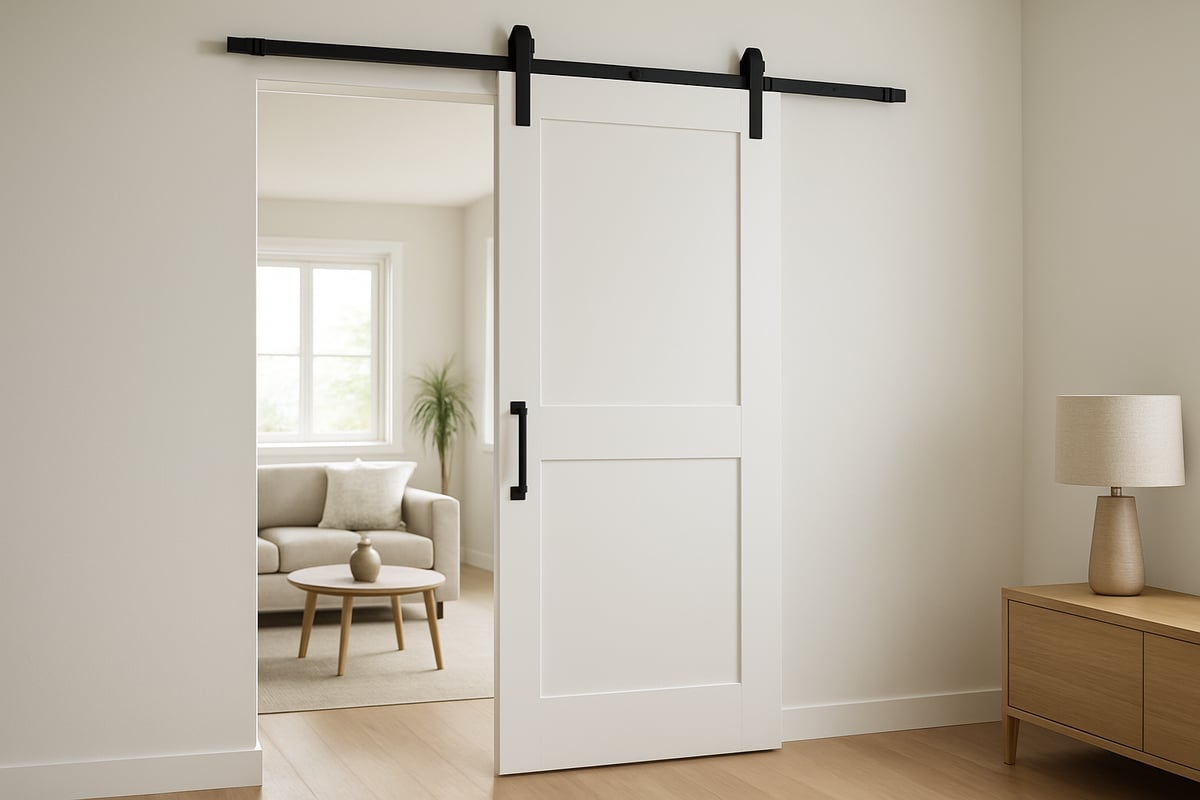
The sliding barn door for house started its journey on rural farms, but today, it’s a hallmark of urban interiors. Over the past decade, design trends have shifted, and what was once considered strictly rustic now feels right at home in minimalist and industrial spaces. Think of those chic New York City apartments where open-concept living reigns, and suddenly, the barn door becomes a clever divider. According to Houzz, there’s been a 65% increase in residential barn door installations since 2020. This versatility means the sliding barn door for house bridges the gap between cozy tradition and sleek modernity, working beautifully across architectural styles.
Space-Saving and Functional Benefits
One of the biggest reasons the sliding barn door for house is so popular? It’s a game-changer for maximizing usable space. Traditional doors need a wide arc to swing open, but a barn door glides along the wall, freeing up valuable square footage. In fact, studio apartments can gain up to 10 square feet per doorway. This makes the sliding barn door for house a smart solution in both renovations and new builds. If you want more detailed insights, check out the Benefits of Barn Doors in Small Spaces. It’s no wonder so many people are turning to this design for efficiency and style.
Popularity in 2026: What’s Driving the Trend?
So, why is the sliding barn door for house trend only getting hotter in 2026? Social media platforms and home makeover shows have played a huge role. Just scroll through Instagram and you’ll find the #barndoor decor trend everywhere. DIY-friendly kits have made installations accessible, allowing homeowners to put their personal stamp on their space. Younger buyers are especially drawn to the sliding barn door for house for its flexibility, enabling rooms to transform as needs change. Customization and adaptability are now top priorities in home design.
Integration with Smart Home Technology
The sliding barn door for house is not just about looks. In 2026, smart features are taking center stage. Imagine doors equipped with automated sliding mechanisms, smart locks, and controls that sync with Alexa or Google Home. You can open or close your door with a voice command or tap of an app. Smart barn door kits are making this technology more accessible, and according to Home Innovation Research Labs, 30% of new barn door installations now include smart tech. This blend of innovation and convenience is reshaping how we interact with our living spaces.
Sustainability and Eco-Friendly Materials
Today’s homeowners want more than style; they want sustainability. That’s why the sliding barn door for house is increasingly crafted from reclaimed wood and recycled metals. Low-VOC finishes and eco-friendly certifications are becoming the norm, letting you feel good about your design choices. These sustainable options not only look great but also reflect the values of the modern homeowner. Choosing eco-conscious materials for your sliding barn door for house helps support a healthier home and planet.
Choosing the Perfect Sliding Barn Door: Materials, Styles, and Hardware
Choosing the right sliding barn door for house projects in 2026 is about more than just looks. It’s a balance of style, durability, and how the door fits into your daily life. Whether you’re updating a cozy cottage or a sleek city loft, your choices will influence both function and flair.
Material Options: Wood, Glass, Metal, and Composites
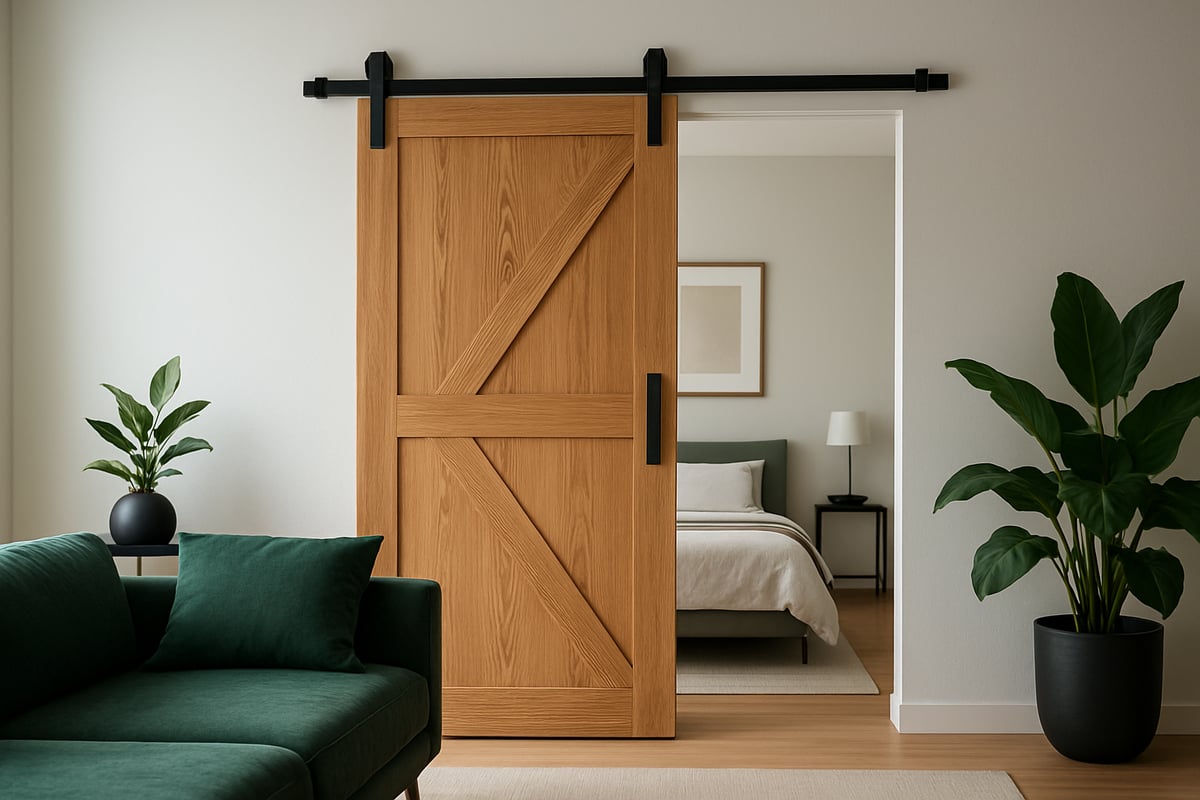
When picking a sliding barn door for house spaces, the material sets the tone. Each material brings its own pros and cons. For example, solid wood is timeless, sturdy, and preferred by 45% of homeowners for its durability (Remodeling Magazine). Glass, especially frosted, is popular for bathrooms—offering privacy without sacrificing light. Metal doors work well in industrial designs, while composites are a budget-friendly choice without sacrificing style.
| Material | Pros | Cons | Best Use Example |
|---|---|---|---|
| Wood | Warmth, durability | May warp with moisture | Bedrooms, living rooms |
| Glass | Light, modern feel | Less sound insulation | Bathrooms, offices |
| Metal | Sleek, industrial look | Can be heavy, cold | Lofts, kitchens |
| Composite | Affordable, versatile | Less authentic feel | Kids’ rooms, rentals |
No matter your pick, the right sliding barn door for house installations can elevate any space.
Style Guide: From Farmhouse to Ultra-Modern
Style is where your sliding barn door for house really shines. Farmhouse doors with cross-bracing evoke a rustic vibe, perfect for warm, welcoming spaces. If you love a city feel, industrial styles with black steel frames are in. Minimalists are choosing flat-panel doors with simple lines. And for those wanting something unique, custom designs blend different materials for a one-of-a-kind look.
- Farmhouse: Classic X or Z patterns, often in natural wood.
- Industrial: Black steel, clean lines, sometimes glass inserts.
- Minimalist: Flat, solid panels, often in neutral colors.
- Custom: Mixed materials, laser-etched designs, creative finishes.
Choosing the right style of sliding barn door for house projects sets the mood for your entire room.
Color and Finish Selection
Color choice is a game-changer for any sliding barn door for house. In 2026, matte black, natural oak, and bold jewel tones like emerald and sapphire are trending. Custom finishes—think distressed, high-gloss, or even two-tone—let you express your personality.
Design influencers are driving these trends, so you’ll see lots of inspiration on social media. If you want your sliding barn door for house to stand out, go for a finish that contrasts your wall color or complements your decor. Remember, lighter tones can open up a room, while darker shades add drama and depth.
Hardware Essentials: Tracks, Rollers, and Handles
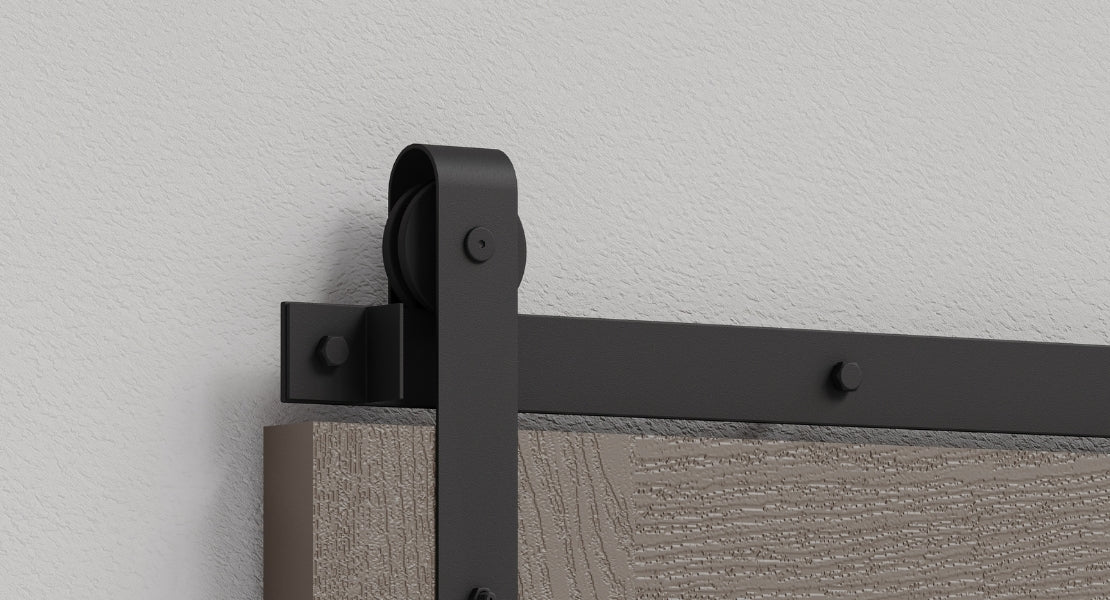
The hardware you choose is just as important as the door itself. For a sliding barn door for house, you’ll need to pick between exposed or concealed tracks, different roller styles, and a variety of handles. Materials range from stainless steel and brass to matte black finishes.
- Exposed tracks: Industrial, bold statement
- Concealed tracks: Sleeker, minimalist look
- Soft-close systems: Quiet, safe, and family-friendly
Heavy-duty tracks can support up to 400 lbs, making them ideal for oversized or solid wood doors. If you’re looking for more detail on installation and options, check out this Guide to Sliding Door Track and Hardware. The right hardware ensures your sliding barn door for house operates smoothly and safely.
Matching Door Size and Configuration to Your Space
Getting the size right for a sliding barn door for house is crucial. Start by measuring your doorway width and height. Single doors work for most rooms, but double or bypass doors are great for wide openings or closets. Make sure you have enough wall space for the door to slide open fully.
Consider ceiling height and wall obstructions like light switches or outlets. For pantries or laundry rooms, bypass systems let multiple doors slide past each other, saving even more space. The right configuration makes your sliding barn door for house both practical and stylish.
Customization and Personalization Options
Personalization is key in 2026. Many homeowners want their sliding barn door for house to reflect their unique style. You can choose bespoke laser-etched panels, combine different materials, or select custom hardware finishes. Even door dimensions can be tailored to fit unusual spaces or specific needs.
This level of customization ensures your sliding barn door for house is more than just a divider—it becomes a statement piece. Whether you’re matching a historic home’s details or creating a modern showstopper, the options are nearly endless.
Step-by-Step Guide: Installing a Sliding Barn Door in 2026
Ready to give your space a modern refresh? Installing a sliding barn door for house projects is easier than ever in 2026. Whether you are a DIY enthusiast or a first-timer, follow these steps to achieve a smooth, stylish transformation. Each stage builds on the last, so you can confidently install your own sliding barn door for house use.
Preparing for Installation: Tools, Planning, and Measurements
Before you begin, gather your essential tools for installing a sliding barn door for house projects. You will need a drill, level, stud finder, tape measure, pencil, and a wrench. Start by measuring your doorway and the wall space beside it, ensuring you have enough clearance for the door to slide fully open.
Check for any obstacles like light switches, outlets, or baseboards that might interfere with the track. Mark out the door’s path with painter’s tape to visualize movement. Planning ahead helps avoid surprises and ensures your sliding barn door for house fits perfectly.
- Essential tools: drill, level, stud finder, wrench, tape measure
- Measure width and height of the doorway
- Check for wall obstacles and baseboards
Double-check your measurements before proceeding. Accurate planning at this stage makes the rest of the process much smoother.
Selecting and Assembling the Door and Hardware
Unbox your new sliding barn door for house and lay out all the hardware. Inspect the door for damage and confirm all components are present. You should have the door panel, track, rollers, handles, and mounting hardware.
Assemble the hardware according to the manufacturer’s instructions. If your door material is heavy, such as solid wood, make sure the rollers and track are rated for the weight. Double-check that your hardware is compatible with both your wall type and the sliding barn door for house you’ve selected.
- Inspect door and hardware for defects
- Organize components by type
- Assemble track, rollers, and handles
A careful assembly now ensures a smoother installation and long-lasting performance.
Mounting the Track and Hardware
Locate the wall studs above your doorway using a stud finder. This step is crucial for securing your sliding barn door for house safely. Mark the positions for the track brackets and use a level to ensure the track will be perfectly straight.
Drill pilot holes for the mounting screws, then attach the track to the wall. If your door is especially heavy, opt for additional brackets for extra support. Confirm that the track is level before tightening all screws. A level track prevents uneven movement for your sliding barn door for house.
- Find wall studs and mark bracket positions
- Use a level for accuracy
- Drill pilot holes and secure the track
Taking your time here means your door will glide effortlessly every time.
Hanging the Door and Adjusting Rollers
Attach the hanger brackets to the top of your sliding barn door for house. With a helper, lift the door and carefully place the rollers onto the mounted track. Make sure the door is centered and able to slide freely.
Adjust the rollers so the door glides smoothly from end to end. Tighten all bolts and check for stability. The right adjustment prevents sticking or wobbling, ensuring your sliding barn door for house operates perfectly.
- Attach hangers to door
- Lift and hang door on the track
- Adjust rollers for smooth movement
Test your door several times to confirm it’s moving as it should.
Installing Floor Guides and Safety Features
To keep your sliding barn door for house stable, install floor guides at the base. These prevent the door from swinging out and keep it aligned with the wall. Choose between wall-mounted or floor-mounted guides based on your flooring and door type.
For added safety, consider installing soft-close mechanisms or anti-jump blocks. These features prevent slamming and accidental derailment. For more in-depth safety tips, check out the Heavy Duty Barn Door Safety Guide for best practices and product recommendations.
- Install floor guides for alignment
- Add soft-close and anti-jump features
- Review safety tips for peace of mind
Prioritizing safety means your door remains secure for years to come.
Finishing Touches: Handles, Pulls, and Accessories
Choose handles or pulls that match your room’s style and the finish of your sliding barn door for house. Install them at a comfortable height, using screws provided in your hardware kit. For tight spaces, opt for flush pulls that do not protrude.
Add locks or latches if privacy is needed, especially for bathrooms or home offices. Decorative accents, such as custom hardware or matching end caps, can personalize your sliding barn door for house and complete the look.
- Select and install handles or pulls
- Add locks or latches as needed
- Consider decorative accents for customization
Small details make a big impact on both usability and style.
Troubleshooting Common Installation Issues
Sometimes, your sliding barn door for house may not glide smoothly right away. If the track is misaligned, loosen the screws and realign with a level. Noisy rollers may need lubrication, while uneven floors can be fixed with adjustable guides.
If you encounter persistent issues or feel unsure, consulting a professional installer is always a smart choice. Proper troubleshooting ensures your sliding barn door for house achieves both function and flair.
- Realign track for smooth sliding
- Lubricate noisy rollers
- Adjust guides for uneven floors
With patience and attention, you can overcome most installation challenges with ease.
Smart Features and Technology Innovations in Sliding Barn Doors
Imagine your sliding barn door for house opening at the sound of your voice or the tap of a smartphone. In 2026, technology is transforming how you interact with every entryway. From automated systems to AI-powered convenience, the latest innovations are making barn doors smarter, safer, and more energy efficient than ever before.

Automated and Motorized Systems
The rise of automated systems has completely changed the sliding barn door for house experience. Motorized openers make it easy to glide doors open and closed with zero effort. Whether you are carrying groceries or helping a child, a simple remote or app command handles the heavy lifting.
Many homeowners choose smart kits that let them control their sliding barn door for house with their phone, tablet, or even a wall-mounted touchpad. Accessibility is a huge benefit, especially for elderly family members or anyone with mobility challenges. Devices like SmartSlydr: Automate Sliding Doors have made it possible to retrofit almost any barn door with automation, combining convenience and security in one sleek package.
Integration with Home Security and Access Control
Security is a top priority for every homeowner. Integrating your sliding barn door for house with smart locks and access control systems gives you peace of mind. Imagine using RFID cards or even biometric fingerprint scanners to secure a home office or private suite.
Many new installations feature smart door locks that sync with your home security system. According to Statista, 18% of new sliding barn door for house installations now include advanced security features. This means you can monitor access, set up temporary codes for guests, and receive alerts right on your phone.
Energy Efficiency and Insulation Upgrades
As open-plan living becomes more popular, energy efficiency is a growing concern. The latest sliding barn door for house designs feature insulated cores and tight-sealing mechanisms to help you control temperature and reduce noise.
Special weatherstripping and bottom seals keep drafts at bay, making your home more comfortable year-round. This upgrade is especially valuable if you have large open spaces or want to create a quiet sanctuary for work or relaxation. Improved energy efficiency is a win for both your utility bills and the environment.
Voice Control and Home Automation Compatibility
Ever dreamed of telling your sliding barn door for house to open while your hands are full? With voice assistants like Alexa, Google Home, and Apple HomeKit, that dream is now reality. You can create routines, schedule openings and closings, and even integrate your door into whole-home automation scenes.
Hands-free operation brings true convenience, especially in busy households. Imagine prepping dinner, managing kids, or hosting guests, all while your smart barn door responds instantly to your voice or a preset routine. This seamless integration puts you fully in control.
Future Trends: AI and Predictive Functionality
Looking ahead, AI is poised to make the sliding barn door for house even smarter. New systems can learn your routines, opening or closing doors based on occupancy sensors or time of day. Predictive maintenance alerts, powered by smart sensors, notify you if rollers need lubrication or if hardware is wearing out.
These next-generation features promise to make home life smoother and more adaptable. As technology evolves, your sliding barn door for house will continue to be a centerpiece of style, comfort, and innovation.
Maintenance, Durability, and Long-Term Care
Keeping your sliding barn door for house looking and working its best is easier than you might think. Regular attention not only preserves its appearance but also ensures smooth operation year after year. Wondering how to get the most out of your investment? Let’s break down the essentials, from cleaning tips to knowing when it’s time to upgrade.
Cleaning and Upkeep for Different Materials
Every sliding barn door for house deserves a cleaning routine tailored to its material. For wood doors, dust regularly with a soft cloth and use a mild cleaner for deeper cleaning. Avoid harsh chemicals, especially on reclaimed wood, to prevent moisture damage.
Glass doors benefit from a streak-free glass cleaner and a microfiber cloth. Metal doors can be wiped with a damp cloth and dried immediately to avoid water spots or rust. For all finishes, steer clear of abrasive pads that could scratch the surface.
Quick cleaning tips:
- Wood: Dust weekly, avoid excess water
- Glass: Use non-ammonia cleaner, polish dry
- Metal: Dry thoroughly after cleaning
A little care goes a long way in preserving the beauty and function of your sliding barn door for house.
Preventing and Fixing Common Wear Issues
Even the best sliding barn door for house may show signs of wear over time. Squeaky rollers, sticky tracks, or minor misalignments can usually be tackled at home.
Start by lubricating the rollers and tracks with silicone spray. If the door feels uneven or wobbly, check that all hardware is tight and aligned. For stubborn squeaks, a quick tightening of bolts often does the trick.
Common issues and solutions:
| Issue | Solution |
|---|---|
| Squeaky rollers | Lubricate, tighten hardware |
| Sticking | Clean track, check alignment |
| Wobbling | Adjust floor guide, retighten |
If you run into persistent problems, it may be time to call a professional for your sliding barn door for house.
Ensuring Longevity: Product Quality and Warranties
The longevity of your sliding barn door for house depends on choosing high-quality hardware and finishes from the start. Look for products with robust warranties, as these often reflect confidence in durability and performance.
Manufacturers offering lifetime warranties typically see fewer service calls, saving you time and hassle. Don’t forget to keep your warranty information handy for future reference.
For insights into hardware trends and what to look for when evaluating quality, check out the Sliding Door Hardware Market Analysis. Staying informed helps you make smart decisions and enjoy peace of mind for years.
Upgrading and Replacing Parts Over Time
As your home evolves, so do your needs. The sliding barn door for house is designed with modular hardware, making upgrades and replacements straightforward.
Consider swapping out rollers, guides, or handles for new styles or improved performance. Always source compatible parts from reputable suppliers to maintain smooth operation.
Signs it’s time for an upgrade:
- Rollers no longer glide smoothly
- Hardware shows visible wear or rust
- You want a fresh look to match updated décor
With a little planning, you’ll keep your sliding barn door for house in top shape, ready for whatever life brings next.
The Impact of Sliding Barn Doors on Home Value and Lifestyle
Sliding barn doors are more than just a design statement—they are a worthwhile investment that can make your home stand out in today’s market. When you install a sliding barn door for house, you instantly add a feature that grabs buyers’ attention. According to Zillow, homes with barn doors sell 13% faster, showing that style and function matter to potential buyers. The appeal comes from both the visual impact and the practicality these doors bring. If you want to explore trending designs, check out the Modern Barn Doors Collection to see why so many buyers are drawn to this feature.
Boosting Resale Value and Buyer Appeal
Real estate agents agree—a sliding barn door for house can quickly become a marketable highlight in any listing. These doors offer a visual statement that’s hard to ignore, making spaces feel updated and unique. Buyers appreciate features that combine style with utility, and barn doors check both boxes. Whether you’re renovating before selling or simply want to future-proof your home, adding a stylish door can set your property apart from the rest.
Barn doors fit a wide range of interior styles, from rustic to ultra-modern. This versatility means they appeal to a broader pool of buyers. If you’re considering a renovation, remember that small upgrades like a sliding barn door for house can yield big returns.
Enhancing Space Flexibility and Accessibility
One of the biggest lifestyle shifts in 2026 is the demand for flexible, multi-purpose spaces. A sliding barn door for house is perfect for creating rooms that can change with your needs. Want to turn your dining area into a home office during the day and a family room at night? Simply slide the door to reconfigure your space.
These doors also improve accessibility for all ages and abilities. They glide smoothly along tracks, making them easy to use for everyone, including kids and seniors. In nurseries or home offices, a sliding barn door for house provides privacy when you need it and openness when you don’t.
Personalization and Lifestyle Benefits in 2026
Today’s homeowners want their spaces to reflect their personalities and adapt to their lifestyles. With a sliding barn door for house, you can choose custom finishes, unique hardware, and even smart features that fit your daily routine. Whether you’re working remotely, raising a family, or planning for future needs, barn doors offer adaptability you can count on.
The ability to personalize every aspect, from color to material, means your home evolves with you. In 2026, sliding barn doors are more than a trend—they’re a symbol of modern, adaptable living that puts your needs first.
So, after diving into all the ways sliding barn doors are reshaping modern homes for 2026, it’s clear—choosing the right hardware really makes a difference. If you’re picturing your space with smooth-gliding doors, smart features, and a style that’s all your own, why not start with great hardware? You deserve hardware that’s both eye-catching and built to last, with expert support every step of the way. Ready to turn your inspiration into reality? Take a look at the top-quality options from The Barn Door Hardware Store—it’s a simple next step toward the home you’ve been imagining.
