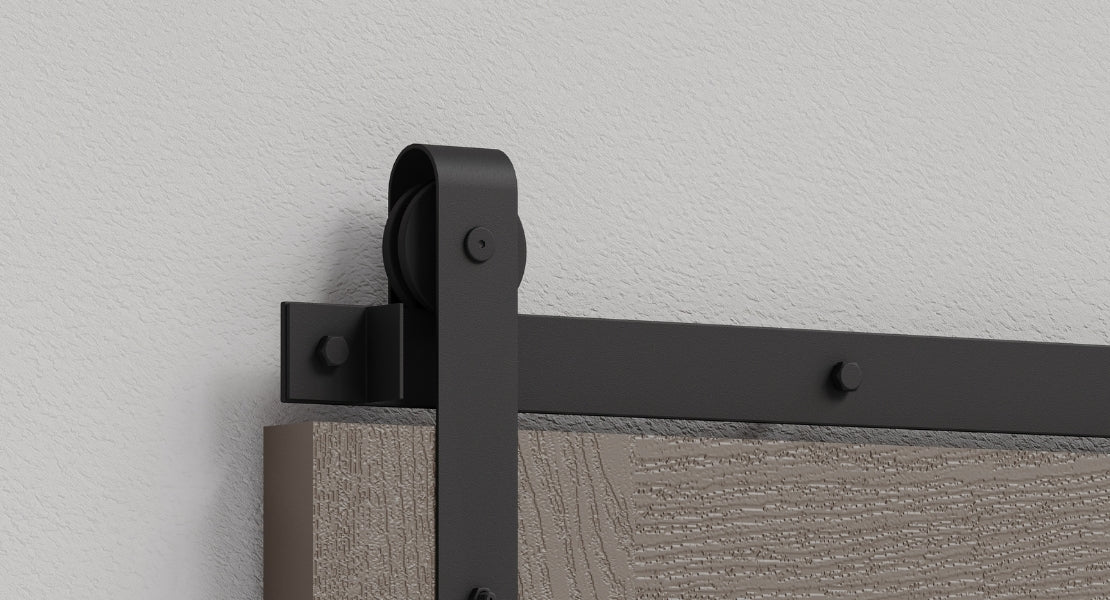



Sliding Door Closet Hardware Guide: Expert Tips for 2026
Have you ever wished your closet could feel bigger, look sleeker, or simply work smarter? With more people focusing on maximizing space and updating their homes, sliding door closet hardware is now at the center of modern interior trends. If you want your closet to be efficient and stylish, you’re in the right place.
This guide is here to walk you through everything you need to know for 2026. You’ll discover the different types of hardware, essential components, how to pick the right setup, straightforward installation steps, maintenance tips, the latest innovations, and how to fix common issues.
Ready to upgrade your closet and avoid the usual headaches? Let’s dive in and make your next project a breeze.
Understanding Sliding Door Closet Hardware: Types & Components
Upgrading your closet can feel like a total game changer, especially when you swap out old hinged doors for sleek, space-saving sliding alternatives. Sliding door closet hardware is at the heart of this transformation, offering a modern look and efficient use of every inch. Let’s break down what makes these systems stand out, what types are trending for 2026, and how each component works together for smooth, stylish function.
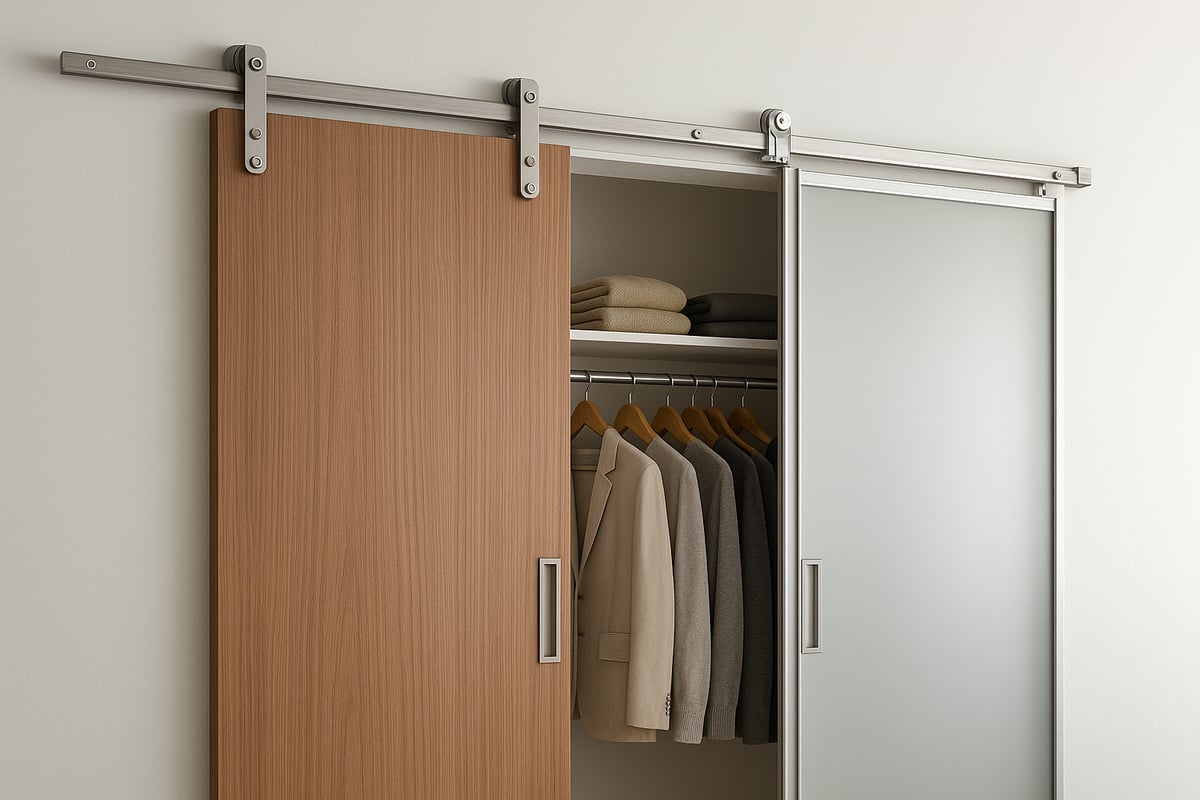
Overview of Sliding Door Closet Systems
You might wonder, what really sets sliding door closet hardware apart from the traditional hinged style? The answer is in the design: sliding doors glide along a track, rather than swinging out, which means you instantly save up to 8 square feet of floor space per door. That’s a lot of room, especially in smaller bedrooms or apartments.
There are three main types to consider:
- Bypass systems: Perfect for double or triple door closets, where doors slide past each other on parallel tracks. Great for wide reach-in closets.
- Bi-fold sliding doors: These fold as they slide, making them ideal when you want full closet access but have limited space for the door stack.
- Pocket sliding doors: The ultimate choice for tight spaces. Doors disappear into the wall cavity, leaving zero obstruction.
When it comes to materials, sliding door closet hardware can be tailored to your style. Aluminum and steel tracks are popular for durability and a modern vibe, while wood and glass options add warmth or a touch of elegance. In 2026, there’s a growing demand for concealed and soft-close mechanisms, adding both luxury and safety.
Each system has its pros and cons. Bypass setups are simple and reliable, though you can’t access the whole closet at once. Bi-folds offer more access but can require more maintenance. Pocket doors maximize space, but installation is more involved. Your choice depends on your closet’s size, layout, and your personal taste.
Essential Hardware Components Explained
Let’s get hands-on with the nuts and bolts of sliding door closet hardware. Every system relies on a few key parts to deliver that effortless glide and lasting stability:
- Tracks: These can mount to the ceiling or wall, and come in single, double, or even triple configurations. Double tracks are essential for multi-door setups, and their dimensions and clearances are crucial—if you’re planning a two- or three-door system, check out the Double Track Roller Specs and Clearances for precise measurements.
- Rollers and wheels: Quality rollers (like ball bearing types) ensure smooth, silent operation. Metal rollers last longer than plastic and handle heavier doors with ease.
- Door stoppers: These prevent your doors from sliding too far. Adjustable and concealed options are now common for a cleaner look.
- Bottom guides: Keep doors stable and aligned, especially important for wider or heavier panels.
- Handles, pulls, and locks: Not just for looks—these add ergonomics and security, and come in a range of designs.
For example, popular kits like SLID’UP 110 include everything: double track, rollers, stoppers, and adjustable bottom guide. Always check that your sliding door closet hardware matches your door’s thickness and weight for safe, smooth performance.
Choosing the right combination of components ensures your closet doors glide effortlessly, look stunning, and last for years. With the right setup, you’ll enjoy a closet that feels purpose-built for your lifestyle and space.
How to Choose the Right Sliding Closet Door Hardware in 2026
Choosing the perfect sliding door closet hardware for your home might sound overwhelming, but it can be a fun, rewarding project if you know where to start. Whether you are building a dream closet or upgrading an old one, a little planning goes a long way. Let’s break down the key steps so you can confidently select hardware that fits your space, style, and future needs.

Assessing Your Closet Space & Door Needs
Before you buy sliding door closet hardware, take a good look at your closet’s measurements and setup. Grab a tape measure and jot down the width, height, and depth of your closet opening. These numbers are your starting point for finding compatible tracks, rollers, and doors.
Think about how many sliding doors you want. Is a single, double, or even triple bypass system best for your layout? Heavier doors need stronger hardware, so check the specs for door thickness and weight. For example, the SLID’UP 110 supports doors up to 100 lbs and fits track lengths from 39 to 106 inches. You’ll want to make sure your chosen sliding door closet hardware matches your door’s size and weight.
If you are unsure about track sizes, you can refer to Single Track Dimensions for Closets for a handy breakdown of standard measurements. This helps prevent headaches later.
Don’t forget to check the floor and ceiling conditions where you will install the hardware. Uneven floors might require adjustable guides for smooth operation. Also, think about who will use the closet. Soft-close features are great for families with kids or elderly members, and ADA-compliant designs make closets accessible for everyone.
Comparing Hardware Quality, Features, and Brands
Now, let’s talk about quality and features. Not all sliding door closet hardware is created equal. The materials used in tracks and rollers matter a lot. Aluminum tracks are lightweight and rust-resistant, while steel tracks offer extra strength. Rollers come in metal or plastic, and ball bearing types are known for their silent, smooth movement.
Warranties are another big factor. Most brands offer at least a five-year warranty, but some go further with lifetime coverage. This can save you money and hassle over time.
Soft-close and concealed hardware have become more popular, offering safety and a clean, modern look. Customization options like different finishes, track lengths, and add-on accessories help you tailor your closet to your taste.
Don’t just look at specs, though. Real-world reviews from buyers can reveal how sliding door closet hardware performs day to day. Kits range from $30 to $180 or more, depending on features and materials. Remember, the best choice is one that balances your budget, durability, and design vision.
Future-Proofing Your Closet: 2026 Trends & Innovations
Looking ahead, sliding door closet hardware is evolving fast. Smart hardware is making its way into homes, with options like voice-activated opening and soft-close sensors. If you want to impress your friends or simply enjoy some futuristic convenience, keep an eye out for these features.
Eco-friendly materials and finishes are also gaining ground, so you can choose options that are good for your home and the planet. Modular and recuttable tracks are perfect if you think your space might change in the future, letting you adapt hardware to new layouts.
Minimalist and concealed designs are trending, offering a sleek look that fits modern interiors. According to industry forecasts, demand for soft-close and concealed sliding systems is expected to grow by 15 percent annually. Aluminum double tracks with recuttable features are a top pick for flexible installations.
Color and finish trends for 2026 include silver, matte black, and paintable options for full customization. By choosing sliding door closet hardware that incorporates these innovations, you ensure your closet stays stylish and functional for years to come.
Step-by-Step Guide: Installing Sliding Door Closet Hardware
Are you ready to transform your closet with new sliding door closet hardware? Before you start, let’s make sure you have the right tools, a clear plan, and all your components in order. A smooth installation starts with solid prep, so let’s break it down together.
Preparing for Installation: Tools & Planning
First things first, gather your essential tools. You’ll need a drill, screwdriver, level, tape measure, and a pencil. Set up your workspace so you have plenty of room to maneuver and lay out all your pieces.
Before you even pick up a tool, check that your sliding door closet hardware kit includes every component: tracks, rollers, stoppers, bottom guides, screws, and handles if provided. Missing parts can cause big delays, so double-check now.
Safety comes next. Wear protective eyewear and keep your workspace clear of tripping hazards. If your kit offers downloadable guides or videos, take a few minutes to review them. For example, you can find helpful Installation Manuals and Guides that walk you through each step and clarify any tricky points.
Decide if you’ll mount the track on the ceiling or wall. Mark out the positions for the track using your level and pencil, ensuring everything is square and precisely measured. Planning carefully at this stage prevents headaches later, especially when working with sliding door closet hardware that demands accuracy.
Chronological Installation Steps
Now that you’re set up, let’s walk through the installation process step by step. Follow this sequence for a seamless result:
- Measure your closet opening’s width and mark the exact placement for the track. Use your level to keep lines straight.
- If your track is longer than needed, cut it to size with a hacksaw. Many sliding door closet hardware kits have recuttable tracks for flexibility.
- Secure the track firmly to your ceiling or wall using the supplied screws and anchors. Double-check that it’s perfectly horizontal.
- Attach the rollers or wheels to the top edge of each closet door. Make sure they’re aligned and fastened securely.
- Lift the doors and hang them onto the track. Slide them back and forth to confirm smooth, silent operation.
- Install the bottom guides at the floor to prevent wobbling or derailment. These are crucial for keeping your doors stable.
- Fit the door stoppers at each end of the track to stop doors from sliding too far. Adjustable or concealed stoppers are common in modern sliding door closet hardware.
- Complete the job by attaching handles, pulls, or locks if they’re not pre-installed.
Take your time with each step. Rushing can lead to misalignment or missing pieces, which can affect how well your sliding door closet hardware works.
Pro Tips for a Flawless Installation
Want your new closet doors to glide like a dream? Here are some expert tips.
After hanging the doors, adjust the rollers as needed. This fine-tuning ensures smooth, silent movement. If you notice uneven gaps between doors, use a gap chart for your door thickness and tweak the hardware accordingly.
Trouble with sticking, uneven rolling, or doors that hop off the track? Check if your floor is uneven. Adjustable bottom guides can help compensate and stabilize your sliding door closet hardware.
Always double-check that your chosen hardware matches your door’s weight and thickness. Overloading can cause premature wear or noisy operation. When mounting rollers, follow the manufacturer’s specific angle recommendations to avoid future issues.
If you get stuck, don’t hesitate to consult the instruction manual or look for video guides. Most common problems, like misalignment or minor derailment, can be solved with small adjustments. Keeping your approach methodical and patient will pay off with a professional-looking, long-lasting installation of your sliding door closet hardware.
Maintenance & Troubleshooting for Sliding Closet Doors
Is your closet door starting to drag, squeak, or stick? Proper care of your sliding door closet hardware can make all the difference in keeping your space looking sharp and operating smoothly. A little attention now can save you from bigger headaches down the road. Let’s dive into the best ways to maintain your closet and tackle those common problems before they become major hassles.
Routine Maintenance Best Practices
Keeping your sliding door closet hardware in top shape is easier than you might think. The secret is staying ahead of dust, debris, and wear. Regular cleaning and inspection not only keep your doors gliding smoothly but also extend the lifespan of your hardware by several years.
Here’s a quick table to help you remember essential maintenance tasks:
| Task | Frequency | Product/Tool Suggested |
|---|---|---|
| Clean tracks | Monthly | Vacuum, soft brush |
| Lubricate rollers | Every 3 months | Silicone spray |
| Tighten screws | Quarterly | Phillips screwdriver |
| Inspect stoppers/guides | Quarterly | Visual check |
Wipe down tracks with a damp cloth to remove buildup. For rollers, a silicone-based lubricant works wonders, especially if you notice squeaking. Make it a habit to check all fasteners, ensuring nothing has loosened with use.
If you have bottom guides, clear away any lint or dirt that could cause your sliding door closet hardware to jam. Brands like SLID’UP and Ducasse recommend a quarterly routine. You’ll thank yourself later, since well-maintained hardware can last three to five years longer than neglected systems.
Troubleshooting Common Sliding Door Problems
Even with great maintenance, issues can pop up. Are your doors sticking or making odd noises? You’re not alone. The most common culprits are dirty tracks, worn rollers, or misaligned guides. Start by cleaning the track and checking for any visible obstructions. Sometimes a simple wipe is enough to get your sliding door closet hardware back on track.
If your door is still stubborn, inspect the rollers for flat spots or damage. Worn rollers should be replaced promptly. Misalignment is another frequent issue. Adjust the rollers or bottom guides to ensure the door hangs evenly and slides without rubbing. For doors that keep coming off the track, consider adding or upgrading your stoppers—products like the Adjustable Barn Door Track Stopper provide a secure, customizable fit.
If you encounter persistent problems, such as soft-close malfunctions or sagging doors, it may be time to consult an expert or order replacement parts. Staying proactive with your sliding door closet hardware means fewer surprises and a closet that works as beautifully as it looks.
Accessories & Upgrades: Maximizing Closet Door Performance
Looking to get the absolute best out of your sliding door closet hardware? Accessories and upgrades can make a world of difference, not just in how your closet doors perform, but also in how they look and feel every day. Whether you crave whisper-quiet closing, crave a touch of style, or want to add security, the right add-ons can elevate your experience and extend the life of your doors.
Must-Have Accessories for Sliding Closet Doors
When it comes to maximizing the performance of your sliding door closet hardware, a few key accessories can make all the difference. Let’s break down some favorites:
| Accessory | What It Does | Why It Matters |
|---|---|---|
| Soft-close mechanisms | Ensures gentle, silent door closing | Prevents slamming, boosts safety |
| Extra stoppers | Stops doors precisely where you want | Customizes open/close range |
| Bottom guides | Keeps doors stable and on track | Reduces wobbling/derailment |
| Handles and pulls | Makes doors easy to grip and slide | Adds ergonomic comfort |
| Locks and latches | Secures closet contents | Enhances privacy and security |
| Brush seals | Blocks dust and muffles sound | Keeps closet cleaner |
| Decorative valances | Hides tracks for a sleek finish | Elevates style |
Most top sliding door closet hardware kits offer optional soft-close, extra rollers, and handle upgrades. In fact, an industry survey found that 60% of buyers choose at least one accessory upgrade for their closets.
If you’re unsure how to install some of these upgrades, you can check out Installation Videos for step-by-step guidance on adding accessories to your sliding door closet hardware.
Upgrading and Customizing Your Hardware
Upgrading your sliding door closet hardware is easier than you might think. Want to retrofit a soft-close feature for quieter operation? Many modern soft-close kits are compatible with existing tracks, making the process straightforward.
Swapping out standard rollers for ball bearing models can reduce noise and extend the lifespan of your sliding door closet hardware. If you love to personalize your space, painting or finishing tracks to match your décor is a fun weekend project.
Smart home fans can even add app-controlled or sensor-activated sliding hardware, bringing your closet into the future. Modular and recuttable tracks offer flexibility for custom or oversized closet openings. Homeowners with large closets often combine multiple tracks for seamless extra-wide setups.
Before you buy, always check compatibility and warranty coverage. Leading brands like SLID'UP and Ducasse offer optional accessories that work seamlessly with their kits. For more insight into the latest trends and what’s driving innovation in sliding door closet hardware, the Furniture Sliding Door Hardware Market Growth report offers valuable statistics and forecasts.
The right upgrades ensure your sliding door closet hardware keeps pace with your needs and style, making every open and close a pleasure.
Expert Tips & Advanced Solutions for Sliding Closet Doors
Looking to step up your sliding door closet hardware game? You are in the right place. Let us dive deep into expert-level strategies that help you handle unique layouts, heavy doors, and persistent issues that regular guides rarely tackle.
Advanced Installation & Customization Advice
Every closet is a little different, so customizing your sliding door closet hardware is key. For non-standard openings, measure carefully and consider recuttable tracks. These let you fit hardware to nearly any width. If you are working with built-in lighting or shelving, plan your hardware layout before installation to avoid conflicts.
Heavy or oversized doors? Choose reinforced tracks and premium ball bearing rollers. They can handle extra weight smoothly and cut down on maintenance by up to 30%. Multi-door and corner closet configurations benefit from aligning tracks precisely. Use a level and adjustable guides to keep doors gliding evenly.
If you are debating between professional installation and DIY, weigh the time, tools, and complexity. Some projects, like seamless triple-door bypass systems, may need expert hands. For those who want to understand every component or need detailed assembly help, the Barn Door Hardware Instructions offer helpful manuals and glossaries.
ADA compliance and accessibility matter, too. Opt for soft-close systems and ergonomic handles to make your sliding door closet hardware user-friendly for everyone.
Preventing and Solving Persistent Issues
Tired of doors that derail or never quite line up? Start by checking your sliding door closet hardware for worn rollers or misaligned tracks. Upgrading to concealed or recessed tracks can give your closet a clean look and help prevent dust buildup.
For high-traffic closets, premium hardware is a smart investment. In humid or coastal environments, select corrosion-resistant materials to keep things running smoothly. Child safety is vital, so look for anti-pinch systems and sturdy bottom guides.
Persistent derailment often points to uneven floors or improper guide installation. Adjustable guides can solve these problems quickly. If you are working with multi-door setups, follow manufacturer-specific gap charts to maintain even spacing.
Need expert support for a complex install or ongoing issues? Many brands offer phone or online help, and you can find step-by-step diagrams in guides like the Bi-Fold Door Installation Guide. Staying proactive and upgrading your sliding door closet hardware when needed will keep your closet running flawlessly for years.
Ready to turn all these expert tips into your own closet makeover? If you’re excited to maximize every inch of space and get a sleek, modern look, the next step is finding the right hardware that matches your style and needs. I know it can feel overwhelming with all the options out there, but you don’t have to figure it out alone. You’ll find a range of high quality options, helpful guides, and free shipping at The Barn Door Hardware Store. Why not take a look and see what will work for your project? Your future closet is just a click away!
