


Sliding Door Supplies Guide: Your Essential 2025 Handbook
Have you ever wondered how sliding door supplies could totally change the look and feel of your home or business? With sliding doors becoming a favorite for modern interiors and renovations, picking the right sliding door supplies is more important than ever.
Maybe you’ve struggled with noisy tracks, tricky installations, or finding hardware that actually matches your style. You’re not alone. Choosing the right parts can be overwhelming, but the right sliding door supplies make all the difference in smooth operation and a polished finish.
This handbook is your go-to resource for expert advice on selecting, sourcing, and installing sliding door supplies in 2025. We’ll walk you through popular system types, must-have hardware, material and finish options, installation steps, maintenance tips, and the best suppliers—so you can make every sliding door project a success.
Understanding Sliding Door Systems: Types and Applications
Sliding door systems are transforming how you use space, both at home and in commercial settings. Instead of swinging open and taking up valuable real estate, these systems glide smoothly along a track, making them a favorite for modern interiors. If you’re exploring sliding door supplies, understanding the range of systems available is your first step toward a more functional and stylish space.

Overview of Sliding Door Systems
At their core, sliding door systems are designed to move horizontally along a track, rather than swinging open. This simple difference unlocks a world of possibilities for maximizing floor space. Whether you’re renovating a small apartment or updating a commercial entrance, there’s a sliding door system tailored to your needs.
The main types include:
- Single-panel sliding doors: One panel glides open, ideal for narrow openings.
- Double-panel sliding doors: Two panels meet in the middle, perfect for wide spaces.
- Bypass doors: Two or more panels slide past each other, commonly used for closets.
- Bifold doors: Panels fold as they slide, great for laundry rooms and pantries.
- Pocket doors: The door panel disappears into a wall cavity, saving maximum space.
- Wall-mount doors: The panel slides along the wall surface, offering visual interest.
Here’s a quick comparison:
| Type | Space Saving | Complexity | Common Use |
|---|---|---|---|
| Single-panel | High | Low | Bedrooms, offices |
| Double-panel | Medium | Medium | Living rooms |
| Bypass | High | Medium | Closets |
| Bifold | Medium | Medium | Laundry, pantries |
| Very high | High | Small apartments | |
| Wall-mount | High | Low | Studios, lofts |
Sliding doors are especially popular for closets, room dividers, patios, and office entrances. According to Sliding Door Market Growth Statistics 2025, sliding doors are projected to grow at a CAGR of 5.8% through 2025, reflecting their widespread appeal. No matter your project, the right sliding door supplies can help you achieve a seamless, modern look.
Pros and Cons of Each System
Each type of sliding door system has its own strengths and trade-offs. Let’s break it down so you can match your sliding door supplies to your priorities.
- Single-panel vs. double-panel: Single-panel systems are more affordable and easier to install, but double-panel systems offer a grander look for larger openings.
- Bypass vs. pocket doors: Bypass doors are accessible and easy to install, while pocket doors require wall modifications but are unbeatable for saving space.
- Bifold and wall-mount doors: Bifold doors work well where you need full access to an opening, while wall-mount doors add a visual statement and are easy to retrofit.
For example, pocket doors are a lifesaver in small apartments where every inch counts. Bifold doors, on the other hand, are perfect for laundry rooms where you want quick access without blocking walkways.
When you choose your sliding door supplies, keep in mind that each system’s complexity, installation needs, and space requirements can affect your overall satisfaction. Weigh these pros and cons before making your final decision.
Choosing the Right System
Selecting the best sliding door system starts with a close look at your space and your needs. Measure your room, think about how often the door will be used, and consider what’s most important to you: style, accessibility, or maximizing space.
Traffic flow is crucial, especially for busy households or commercial spaces. A well-chosen system will enhance movement and make your daily routine easier. Matching the design of your sliding door supplies with your overall interior style also ensures a cohesive look.
Did you know that over 60% of homeowners cite space efficiency as their primary reason for choosing sliding doors? That’s proof that a well-planned system is not just about aesthetics, but about making your space work smarter for you.
Essential Sliding Door Supplies: Hardware and Accessories
Choosing the right sliding door supplies can feel overwhelming, right? But once you break it down, it’s really about understanding each piece of hardware and accessory that makes your sliding door system work smoothly and look fantastic. Let’s dive into what you need to know to make confident decisions for your home or business.

Core Hardware Components
When you’re shopping for sliding door supplies, start with the basics. The core hardware components are what hold everything together and keep your door gliding smoothly.
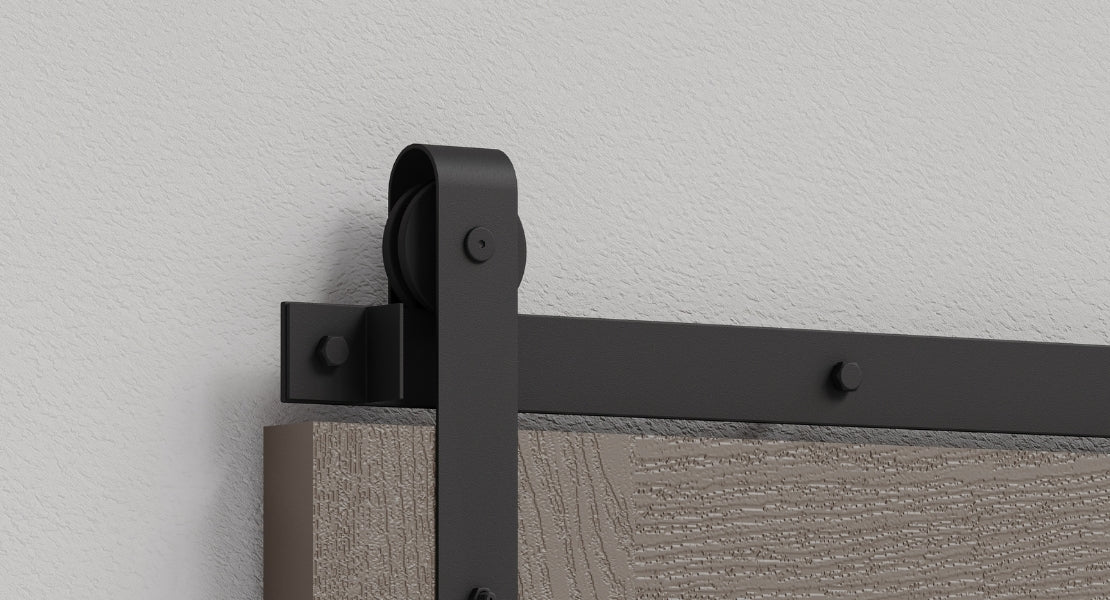
- Track Systems: These can be made from steel or aluminum. Steel tracks are strong and ideal for heavy doors, while aluminum is lightweight and resists corrosion. Tracks can be wall or ceiling mounted, so think about your space and installation needs.
- Rollers and Hangers: These attach your door to the track, providing smooth movement. Look for ball-bearing rollers for quieter operation and extra durability. Some options even reduce noise for a more peaceful environment.
- Door Panels: You can choose pre-made panels for convenience or go custom for a perfect fit and unique style. Popular materials include wood, glass, and metal, each offering different looks and benefits.
- Floor Guides and Stoppers: These keep your door stable and safe, preventing swinging or accidental derailment. They’re especially important for high-traffic areas.
- Handles and Pulls: Ergonomic designs make sliding easier, and you’ll find a range of styles to match any decor. Some sets include both pull and flush handles for added versatility.
- Locks and Latches: For privacy and security, especially on exterior or bathroom doors, don’t skip these essentials.
With the right combination of sliding door supplies, your system will function flawlessly and last for years.
Accessory Options and Upgrades
Once you’ve got the basics, you can explore accessories that take your sliding door supplies to the next level. These upgrades can enhance convenience, style, and even safety.
- Soft-Close and Anti-Jump Mechanisms: Soft-close kits prevent doors from slamming, which not only protects your hardware but also extends its lifespan. Anti-jump systems keep doors securely on the track, reducing accidents.
- Decorative Hardware: From matte black to brushed nickel, unique finishes and shapes let you personalize your space. Customization options are expanding every year, so you can match the latest design trends.
- Weatherstripping and Seals: If you’re installing exterior sliding doors, these are a must for energy efficiency and weather protection.
- Example: Installing a soft-close mechanism can instantly upgrade your door’s feel, making every use quieter and more satisfying.
- Data Point: Did you know that 48% of consumers now opt for soft-close hardware in new installations? It’s a small investment with a big payoff.
Upgrading your sliding door supplies with the right accessories can transform an ordinary door into a standout feature.
Sourcing High-Quality Supplies
Not all sliding door supplies are created equal. Choosing certified and tested hardware is essential for both safety and longevity. So, how do you spot quality?
- Look for Reputable Brands: Stick with suppliers known for rigorous testing and solid warranties. Customer reviews and industry certifications are helpful indicators.
- Warranty and Support: Good suppliers stand behind their products. A solid warranty and responsive customer service can save you headaches down the road.
- Wide Selection: The best sources offer everything from basic kits to custom solutions. For example, Sliding door hardware kits provide a comprehensive selection, making it easier to find exactly what you need.
Investing in high-quality sliding door supplies means fewer repairs, smoother operation, and better value over time.
The Barn Door Hardware Store: High-Quality Sliding Door Hardware
When it comes to trustworthy sources for sliding door supplies, The Barn Door Hardware Store stands out. Since 2016, they’ve specialized in premium barn door and sliding door hardware, serving homeowners, designers, and contractors alike.
Their range includes solid steel construction, a variety of styles and finishes, and expert customer support. Whether you need single, bypass, or heavy-duty systems, they’ve got you covered. Customizable solutions and free shipping across the continental US add even more value.
You’ll find everything from handles and locks to floor guides and accessories, all backed by a limited lifetime warranty. For anyone seeking reliable sliding door supplies in 2025, this store is a top pick.
Materials and Finishes: Making the Right Choice
Choosing the right materials and finishes for your sliding door supplies can make all the difference in how your space looks, feels, and functions. Are you aiming for a warm, rustic vibe, or do you prefer a sleek, modern finish? Let’s break down your options so you can confidently match your vision with practical needs.

Door Panel Materials
When you start shopping for sliding door supplies, the first big decision is the door panel itself. Wood is a classic choice and comes in solid, engineered, or reclaimed varieties. Solid wood doors are sturdy and timeless, while engineered wood offers stability and tends to resist warping. Reclaimed wood has become popular for eco-friendly projects, adding character and sustainability.
Glass panels are another favorite, especially for spaces where you want to let in more light. You can choose from frosted, clear, or tempered glass, each offering a different balance of privacy and brightness. For a deeper dive into the latest trends and market insights on glass options, check out this Sliding Patio Glass Door Market Analysis.
Metal and composite doors round out your choices. Metal offers an industrial edge and is easy to maintain, while composites combine durability with lightweight construction. Choosing the right door material is the first step toward building a sliding door system that fits your lifestyle and space.
Hardware Materials and Finishes
Your sliding door supplies are only as good as the hardware holding everything together. Steel tracks are known for their strength, making them ideal for heavy doors or high-traffic areas. Aluminum is lighter and resists corrosion, making it a smart pick for humid or outdoor environments. Both materials are durable, but your choice may depend on door weight and where the system will be installed.
When it comes to finishes, you’re spoiled for choice. Matte black, brushed nickel, oil rubbed bronze, and stainless steel are all popular. Matte black, in particular, saw a 35% sales jump in 2024, reflecting its versatility and modern appeal. Think about how your hardware will complement the rest of your room. Are you going for bold contrast, or do you want something that blends in?
Mixing and matching door and hardware finishes can give your space a custom look, but always make sure the materials you select meet the demands of your daily routine.
Choosing for Durability and Style
How do you ensure your sliding door supplies last and look great year after year? Start by considering your local climate. For humid areas, aluminum hardware and composite doors are less likely to warp or rust. For high-traffic rooms, steel tracks and solid wood panels are built to withstand daily use.
Usage frequency also matters. If your doors will be opened and closed multiple times a day, prioritize smooth-gliding hardware and materials that resist scratches or dents. Coordinating the style, color, and finish of your door and hardware creates a cohesive look that elevates your entire space.
Finally, think about maintenance. Some materials require regular cleaning or occasional touch-ups, while others are virtually carefree. With thoughtful choices, your sliding door supplies will deliver both durability and style, ensuring your investment pays off for years to come.
Step-by-Step Guide: Selecting and Installing Sliding Door Supplies
Ready to tackle your sliding door project? This step-by-step guide will walk you through selecting and installing sliding door supplies with confidence. Whether you are a first-timer or a seasoned DIYer, following these steps will help you achieve a smooth, stylish, and functional result.
Step 1: Assess Your Space and Needs
Before you even start browsing sliding door supplies, take a close look at your space. Measure the width and height of your doorway. Do you have enough wall space on one or both sides? Is your ceiling high enough for the type of track you want?
Look for potential obstacles. Are there light switches, vents, or furniture that could get in the way? Use a stud finder to check if you have adequate structural support where you plan to mount the track.
Also, consider the weight and size of the door you want. Heavier doors require sturdier hardware, and your measurements will determine if a single, double, or bypass system is best. Taking the time to get these details right makes choosing sliding door supplies much easier later on.
Step 2: Choose the Right System and Supplies
Now that you know your space, it is time to pick the right sliding door supplies for your project. Think about the traffic flow in your room. Will a single-panel door work, or do you need a double-panel for wider openings? Maybe a bypass or pocket system fits best if you are tight on space.
Select a door material that matches your style and needs. Solid wood, glass, or metal panels each bring a different look and feel. When choosing hardware, make sure the track and rollers are rated for your door’s weight. Handles, pulls, and locks should also match your preferred aesthetic.
Don’t forget about accessories. Soft-close mechanisms, decorative hardware, and weatherstripping can upgrade your door’s performance and appearance. By carefully selecting sliding door supplies, you ensure your installation will be both functional and beautiful.
Step 3: Gather Tools and Prepare for Installation
Preparation is key to a smooth sliding door installation. Start by gathering all the tools you will need:
- Drill and drill bits
- Level
- Stud finder
- Measuring tape
- Pencil or marker
- Screwdrivers
- Safety glasses
Set up your workspace by clearing the area and laying out your sliding door supplies. Review a pre-installation checklist: confirm all parts are present, hardware fits your door, and nothing is missing. Taking these steps helps avoid delays and makes the process more enjoyable.
Step 4: Install Track and Hardware
With your tools ready and sliding door supplies at hand, you can start installing the track. Use your measurements to mark where the track will go, making sure it is perfectly level. Secure the track to the wall or ceiling, attaching it to studs or a solid header for strength.
Next, fix the rollers or hangers to your door panel, following the manufacturer’s instructions. Install floor guides and stoppers to keep the door stable and prevent it from swinging. Double-check all fasteners for tightness and alignment. Careful installation at this stage sets the foundation for smooth and safe door operation.
Step 5: Hang and Adjust Door
Now comes the exciting part: hanging your door. With a helper, lift the door and set the rollers onto the track. Slide the door back and forth gently to test its movement. Does it glide smoothly? If not, adjust the rollers or hangers as needed.
Install your handles, pulls, and locks according to your plan. If you encounter issues like sticking, noise, or misalignment, check the track for debris and make fine adjustments. Addressing these details ensures your sliding door supplies work together for flawless operation.
Step 6: Final Checks and Finishing Touches
After installation, inspect every component of your sliding door supplies. Make sure all hardware is secure and performing as intended. Wipe down tracks and panels for a clean finish.
Now is the perfect time to add upgrades. For a quieter and more comfortable experience, consider installing a Soft-close mechanism for sliding doors. This prevents slamming and prolongs the life of your hardware.
Finish by adding decorative touches, seals, or a fresh coat of paint. With proper care and attention to detail, your sliding door supplies will deliver style and function for years to come.
Maintenance, Troubleshooting, and Longevity Tips
Keeping your sliding door supplies in top shape is the secret to smooth, hassle-free operation year after year. If you've ever struggled with a sticky door or a noisy track, you know how a little maintenance can make a big difference. Let’s break down the best ways to care for your sliding door supplies, tackle common problems, and help your investment last as long as possible.
Routine Maintenance
Routine care is essential for the longevity of your sliding door supplies. Dirt and dust can accumulate in tracks and rollers, causing friction and noisy movement. A quick cleaning every month can prevent these issues.
Here’s a simple checklist to follow:
- Clean tracks and rollers using a vacuum or soft brush to remove debris.
- Wipe down hardware with a damp cloth to prevent buildup.
- Lubricate moving parts like rollers and hinges with a silicone-based spray for smooth operation.
- Inspect all hardware for signs of wear, corrosion, or looseness.
It's smart to set a maintenance schedule. For residential spaces, a quarterly check works well. In commercial environments, check monthly due to heavier use.
| Maintenance Task | Residential | Commercial |
|---|---|---|
| Clean Tracks/Rollers | Quarterly | Monthly |
| Lubricate Hardware | Quarterly | Monthly |
| Inspect Hardware | Quarterly | Monthly |
Staying consistent with these routines will keep your sliding door supplies working their best.
Troubleshooting Common Problems
Despite regular care, you might run into some common issues with sliding door supplies. Noisy movement, sticking, or misalignment can crop up, but most fixes are quick.
Try these troubleshooting steps:
- If your door is noisy, check for debris in the track or worn rollers. Clean and lubricate as needed.
- For stuck doors, inspect for obstructions or misaligned guides.
- If the door sags or drags, adjust the rollers and ensure the track is level.
- Soft-close mechanisms not working? Clean and check alignment. Replace worn components if needed.
About 30% of service calls are due to misaligned tracks. So, use a level during installation and adjust hardware as necessary. Keeping a small toolkit handy can save you time and frustration when minor issues pop up.
If you need to replace parts like rollers or handles, always choose compatible, high-quality sliding door supplies for the best results.
Maximizing Lifespan of Your Sliding Door System
Want to get the most out of your sliding door supplies? Start by choosing hardware that’s certified, tested, and backed by a warranty. High-quality components may cost more upfront but can add years to your door’s life.
Consider upgrading parts if your needs change. For example, add a soft-close mechanism or swap in modern handles for a fresh look. Preventative care, like routine cleaning and timely repairs, helps avoid costly replacements.
Manufacturers report that proper maintenance can extend sliding door hardware lifespan by up to 10 years. Investing in durable materials and following a maintenance routine pays off in the long run. For more insights on longevity and hardware trends, check out the Sliding Door Hardware Market Report 2035.
By staying proactive, you’ll enjoy smooth, quiet operation and protect the value of your sliding door supplies for years to come.
Top Trends and Innovations in Sliding Door Supplies for 2025
If you think sliding door supplies are just about tracks and panels, think again. The industry is evolving fast, and 2025 is shaping up to be a year of smart technology, eco-conscious materials, and bold design statements. Are you ready to see what’s on the horizon for your home or business?
Smart and Automated Sliding Door Systems
Imagine walking up to your door and having it glide open with just a wave or a tap on your phone. Smart and automated sliding door supplies are revolutionizing access for both homes and commercial spaces. With touchless entry, app integration, and advanced security features, these systems blend convenience with cutting-edge design.
Demand for smart sliding solutions is projected to rise by 18% in 2025, according to Automatic Sliding Doors Market Insights 2025. Features like remote operation and customizable settings are making these systems a top choice. If you value seamless living, integrating smart sliding door supplies could be your next upgrade.
Sustainable and Eco-Friendly Materials
Sustainability is no longer just a buzzword in the world of sliding door supplies. In 2025, more buyers are choosing doors crafted from recycled wood, low-VOC finishes, and energy-efficient glass. These options help reduce your carbon footprint and align with growing eco-conscious values.
Did you know that 40% of customers now consider sustainability when selecting sliding door supplies? From reclaimed timber panels to hardware made from recycled metals, the market is responding with innovative, planet-friendly choices. If you want your renovation to reflect your green values, these materials make a lasting impact.
Design Trends and Customization
Personalization is the heartbeat of modern interiors, and sliding door supplies are keeping pace. Minimalist hardware, concealed tracks, and bold finishes like matte black or brushed brass are leading the way. Custom sizing and unique requests, such as oversized glass panels or textured surfaces, are becoming more accessible.
Matte black finishes, in particular, have seen a 35% sales jump in the past year. Want your space to stand out? Mix and match hardware finishes or opt for custom handles to create a one-of-a-kind look. Sliding door supplies now offer endless possibilities to express your style.
Future Outlook
Looking ahead, innovations in sliding door supplies will focus on easier installation, modular systems, and enhanced user experience. Expect to see more DIY-friendly kits, quick-install tracks, and intuitive adjustment options. The next generation of supplies will cater to both tech enthusiasts and design lovers.
As user needs evolve, so will the variety and versatility of sliding door supplies. Whether you prioritize smart automation, sustainability, or bold design, the future is bright and full of options. Stay tuned, because the best is yet to come.
So, after diving into all the tips and trends for choosing the right sliding door supplies, you might be wondering—where do I actually find hardware that’s built to last and still looks amazing in my home? That’s where I’d point you to The Barn Door Hardware Store. They’re a family business that knows the ins and outs of sliding door hardware, offering everything from heavy duty kits to designer finishes, and they back it all up with free shipping and a lifetime warranty. If you want peace of mind for your next project, this is the place to start exploring.
