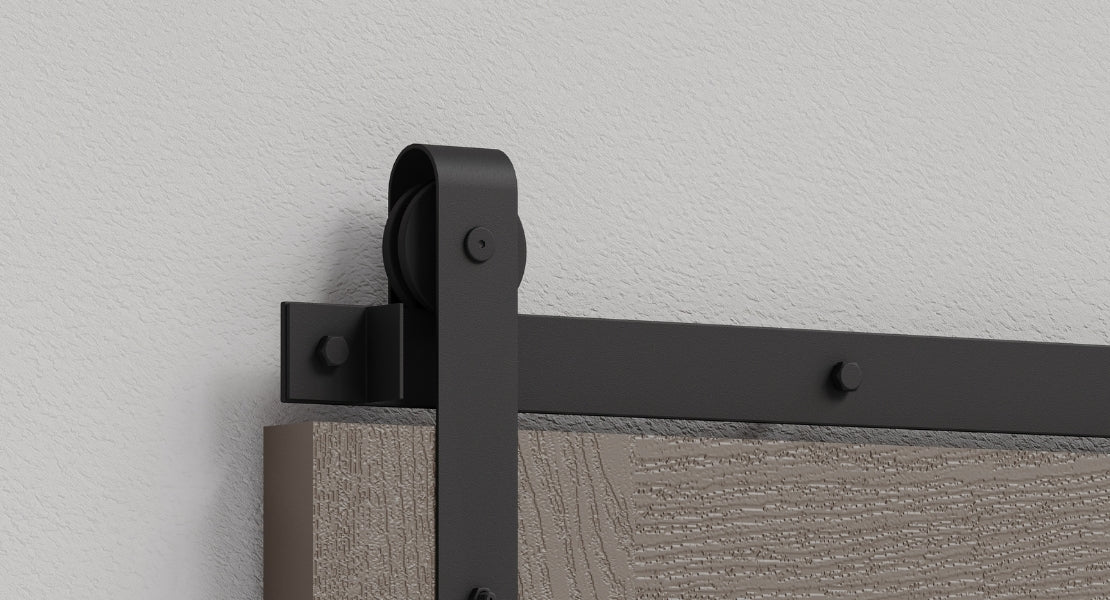



Sliding Doors on Rail System Guide: Your 2026 Success Blueprint
Are you ready to see how sliding doors on rail system are transforming the way we design and use our spaces in 2026? These innovative doors are more than just a trend, they're rapidly becoming the go-to solution for anyone craving a blend of style, function, and space-saving brilliance.
With sliding doors on rail system, you get a sleek look and effortless movement that traditional doors just can't match. Imagine maximizing every inch of your home or office while enjoying modern aesthetics and smooth operation.
This guide is your blueprint to success. Whether you're a homeowner, designer, or contractor, you'll find step-by-step advice for choosing, installing, and optimizing sliding doors on rail system with confidence.
Ready to unlock expert insights, practical tips, and the latest trends? Dive in to master every aspect of sliding door rail systems, from types and materials to planning, installation, troubleshooting, and the most exciting innovations coming in 2026.
Understanding Sliding Doors on Rail Systems
Ever wondered why so many modern spaces are embracing sliding doors on rail system setups? These sleek, functional doors are popping up everywhere from trendy lofts to bustling office spaces. Their rise is no accident. The sliding doors on rail system design brings a blend of style, efficiency, and adaptability that traditional hinged doors just cannot match.

What Is a Sliding Door on a Rail System?
At its core, a sliding doors on rail system consists of four main components: the track (or rail), rollers, door panels, and stoppers. The track is securely installed above or alongside an opening, while rollers attached to the door allow it to glide smoothly. Stoppers prevent the door from sliding off the track, ensuring safety and control.
The concept actually dates back centuries. Early sliding doors were used in Japanese architecture, while industrial rail systems first appeared in factories. In recent decades, sliding doors on rail system designs have evolved into interior design staples, particularly in urban environments where space is at a premium.
There are a few main types to be aware of: barn doors (which slide along the outside of walls), bypass doors (where two or more doors slide past each other), and pocket doors (which disappear into a wall cavity). Each style serves a unique purpose, but all leverage the same basic sliding doors on rail system principles.
Where do you see these systems in action? Almost everywhere. Homeowners love them for closets, bedrooms, and pantries. In commercial and hospitality settings, they are used for conference rooms, lobbies, and even as privacy dividers in hotels. Industrial environments use heavy duty versions for warehouses and large openings.
Why are sliding doors on rail system options so popular? They save valuable floor space, improve accessibility, and create a sleek, modern look. Some people worry about durability or noise, but with quality hardware and proper installation, those concerns are mostly myths.
For example, modern lofts and collaborative office spaces often use sliding doors on rail system layouts to create open-concept environments that feel both connected and flexible. This trend is backed by market data, with the sliding door systems sector projected to reach $13.2 billion by 2026.
Types of Sliding Rail Systems
When you start planning a sliding doors on rail system project, you will quickly notice there are several system types to consider.
Single-track systems are ideal for simple, single-door applications, such as room entries or narrow closets. Double-track systems allow two doors to slide independently, perfect for wider openings or closet doors. For even more flexibility, multi-panel systems can handle three or more doors, making them suitable for large partitions or room dividers.

Surface-mounted rails are visible and easy to install, while recessed or hidden rail systems offer a streamlined appearance by concealing the rail within the ceiling or wall. The choice depends on your style preferences and the structure of your space.
Another factor is door weight. Standard-duty systems work well for lightweight doors, but if you are installing larger or solid wood panels, you will need a heavy-duty sliding doors on rail system. Specialty options include soft-close mechanisms, automated controls, and soundproofing features for extra comfort and convenience.
Bypass systems are popular in small apartments, where maximizing every inch counts. For a closer look at how different rail systems compare, check out this quick summary:
| System Type | Pros | Cons |
|---|---|---|
| Single Track | Simple, affordable, easy to install | Limited to one door, less flexible |
| Double Track | Accommodates two doors, versatile | Requires more space for tracks |
| Multi-Panel | Great for large openings, flexible | More complex installation, higher cost |
| Surface Mounted | Exposed hardware, easy access | Visible hardware may not suit all styles |
| Recessed/Hidden | Clean, minimal look | More involved installation |
If you are curious about sizing and clearance for each system, the Single vs. Double Track Specs page offers detailed guidance you will find helpful.
Selecting the right sliding doors on rail system means balancing aesthetics, function, and practicality. Think about your space, style, and needs, and you will be well on your way to mastering this versatile solution.
Planning Your Sliding Door Project: Key Considerations
Planning a project with sliding doors on rail system? Let’s make it easy. Whether you’re updating a cozy apartment or designing a sleek office, a solid plan is your foundation for success. This section guides you through space assessment, material choices, budgeting, and the essential codes and regulations. Ready to start? Let’s lay out the blueprint for your sliding doors on rail system project.

Assessing Space and Structural Requirements
Before you get swept up in design choices, pause and look at your space. Start by measuring the opening where your sliding doors on rail system will go. Accurate width and height measurements are crucial for a perfect fit. Don’t forget to account for clearance on each side so the panels can glide without bumping into walls or furniture.
Next, check your wall material. Is it drywall, concrete, or wood studs? Each type has different mounting needs. For heavier doors, make sure the wall can support both the track and the door weight. If you’re unsure, a quick tap with a stud finder or a chat with a contractor can help.
Think about what’s near your doorway. Will the doors block light switches, vents, or shelves? Will they disrupt traffic flow? In small urban apartments, maximizing every inch is key. Sliding doors on rail system are a favorite for this reason, freeing up floor space where a swinging door would get in the way.
Want a deeper dive on prepping your space and tools? Check out this Sliding Door Installation Manual for step-by-step planning tips.
Choosing the Right Materials and Finishes
With your space measured, let’s talk materials. The panels for sliding doors on rail system come in options like solid wood, glass, metal, or composite. Each brings a different vibe and function. For example, tempered glass lets light flow through a workspace, while solid wood adds warmth and privacy.
Tracks and hardware matter too. Steel, aluminum, and stainless steel are popular choices. Think about durability and the look you want. Hardware finishes range from matte black to brushed nickel, rustic bronze, or even custom colors for a unique touch.
Here’s a quick comparison:
| Panel Material | Pros | Cons |
|---|---|---|
| Solid Wood | Warm, classic, sturdy | Can be heavy, costly |
| Glass | Bright, modern | Needs frequent cleaning |
| Metal | Industrial, durable | May dent, feels cold |
| Composite | Budget-friendly | Less premium feel |
Pick what fits your style, maintenance preference, and how you use the space. Sliding doors on rail system can be tailored to suit any design, from urban lofts to sunlit offices.
Budgeting and Timeline Planning
Now, let’s talk numbers. Budgeting for sliding doors on rail system involves more than just the door itself. You’ll need to factor in hardware, installation, and extras like handles or soft-close features.
Here’s a sample breakdown:
| Item | Estimated Cost (USD) |
|---|---|
| Door Panel | $200 - $800 |
| Rail & Hardware | $100 - $400 |
| Installation | $150 - $500 |
| Accessories | $30 - $100 |
DIY installation can save you money, but professional help ensures a flawless finish, especially with tricky walls or heavy doors. Typical timelines range from a few days for planning and shopping to one day for installation.
Let’s say you’re renovating a mid-range home. Planning ahead keeps surprises at bay, and knowing your numbers helps you make smart choices. Sliding doors on rail system can be a cost-effective upgrade compared to custom-built solutions.
Regulatory and Accessibility Considerations
Don’t skip the fine print. Local building codes may affect where and how you install sliding doors on rail system, especially in commercial settings. Make sure your project meets fire safety standards and allows for safe egress in case of emergency.
For offices or public spaces, ADA compliance is a must. This means ensuring door width, handle height, and smooth operation for everyone. Insurance companies may also have guidelines or require proof of professional installation, so keep your paperwork handy.
Warranties and manufacturer guarantees can offer peace of mind. If you’re aiming for a long-lasting result, check these details before you buy. Planning for accessibility and safety means your sliding doors on rail system will look great and work flawlessly for years to come.
Step-by-Step Installation Blueprint for 2026
Tackling a project with sliding doors on rail system might seem daunting, but with the right steps, anyone can achieve a flawless result. Ready to transform your space? Let’s break down each stage so you can proceed with confidence.

Pre-Installation Preparation
Every great project starts with solid prep. For sliding doors on rail system installations, begin by gathering all required tools and checking your materials against the manufacturer’s list. Here’s a typical checklist:
| Tools & Materials | Purpose |
|---|---|
| Stud finder | Locate wall studs |
| Level | Ensure straight rails |
| Drill & bits | Make pilot holes |
| Tape measure | Accurate measurements |
| Screwdriver set | Fasten brackets |
| Pencil | Mark positions |
| Safety gear | Protect yourself |
Before you start, read through all manufacturer instructions and warranty terms. This ensures you understand the specifics for your sliding doors on rail system and avoid overlooked details that could impact performance or coverage.
Prepare your site by clearing the area, moving furniture, and laying down protective sheets for floors and walls. One common mistake? Skipping the step of checking the wall structure. Always confirm you’re mounting hardware into solid studs or the correct anchors for your wall type. This prevents future sagging or misalignment.
Double-check measurements for the opening and track placement. Small errors here can cause big headaches later. If you’re installing sliding doors on rail system in a tight space, account for door swing and clearance before drilling a single hole.
Installing the Rail System
Now comes the hands-on part. Start by marking rail positions with a pencil, using a level to ensure everything lines up perfectly. If your wall is uneven, shim behind brackets to maintain a straight rail—precision here is key for smooth door movement.
Drill pilot holes where your brackets will go, making sure you’re hitting studs or using appropriate anchors. Secure the mounting brackets firmly, then attach the rail itself. Check alignment again as you tighten everything, since a crooked rail will cause sliding doors on rail system to bind or ride unevenly.
For a more detailed walkthrough, you might want to consult a Sliding Door Rail Installation Guide that covers each step, including expert tips on alignment and troubleshooting.
A pro tip if you’re working in an older home: walls are rarely perfectly straight. Use shims and recheck with your level after every bracket. This extra attention ensures your sliding doors on rail system will glide effortlessly for years to come.
Hanging the Door Panel(s)
With the rail secure, it’s time to hang your doors. Attach rollers and hardware to the top of each door panel as specified in your kit. If you’re installing double sliding doors on rail system for a wide opening, ensure both panels have matching hardware for even movement.
Carefully lift each door and hook the rollers onto the rail. This part is easier with a partner, especially for heavy or oversized panels. Adjust each door for height and lateral movement using the built-in hardware. The goal is even gaps on both sides and a smooth, unobstructed slide.
For closets or room dividers, double-check that panels overlap as needed for privacy and style. If you run into uneven gaps, tweak the roller adjustments until everything lines up. Sliding doors on rail system are highly customizable, so take your time here for a perfect fit.
Final Adjustments and Testing
With panels in place, install any stoppers, floor guides, and anti-jump devices that came with your kit. These small touches make a big difference for safety and performance.
Test your sliding doors on rail system for smooth, quiet operation. Open and close each panel several times to check for snags, sticking, or noise. If something feels off, revisit your alignment and hardware tightness.
Common issues like misalignment or noise are usually fixed with minor tweaks—adjust a bracket, lubricate a roller, or reposition a stopper. Finish with a final inspection to ensure all fasteners are secure and your doors close completely.
By following these steps, you’ll enjoy a reliable, stylish sliding doors on rail system that elevates your space and stands the test of time.
Maintenance, Troubleshooting, and Longevity Tips
Maintaining your sliding doors on rail system doesn’t have to be a hassle. In fact, with just a few simple habits, you can keep your doors gliding smoothly and quietly for years. Wondering what it takes to avoid annoying squeaks or sticky rollers? Let’s break down the essential steps for care, quick fixes, and making sure your system stands the test of time.

Routine Maintenance for Sliding Rail Doors
Regular care is the secret to keeping your sliding doors on rail system working their best. Start by gently cleaning the tracks and rollers every month. Dust, pet hair, and debris can easily build up, causing those dreaded sticky spots.
A soft brush or vacuum attachment does wonders for removing dirt from the track. For rollers, wipe them down with a damp cloth, then dry thoroughly. Lubricate the moving parts with a silicone-based spray—avoid oil-based products, as they attract more dust.
Here’s a quick maintenance checklist to keep things simple:
| Task | Frequency | Tools Needed |
|---|---|---|
| Clean tracks | Monthly | Brush, vacuum |
| Wipe rollers | Monthly | Cloth |
| Lubricate moving parts | Quarterly | Silicone spray |
| Inspect for loose hardware | Bi-annual | Screwdriver |
Sticking to this schedule helps ensure your sliding doors on rail system stays smooth and silent.
Troubleshooting Common Issues
Even the best sliding doors on rail system can run into problems. Is your door misaligned, making odd noises, or refusing to stay closed? Don’t worry—most issues have quick fixes.
If your door is dragging or hard to move, check for debris in the track first. Next, take a look at the rollers. Are they worn down or off the track? Adjust or replace them as needed. For noisy operation, a bit of extra lubrication usually does the trick.
Doors that won’t stay closed often mean the stoppers or floor guides are loose. Tighten any screws and realign the guides. If your system still isn’t working right, consult the manufacturer’s manual for specific troubleshooting steps.
A little patience goes a long way when caring for sliding doors on rail system. Most common problems are easy to identify and fix.
Maximizing System Longevity
Want your sliding doors on rail system to last for decades? Seasonal checkups are key. Inspect all hardware in spring and fall for signs of rust, wear, or loose fittings. Upgrading to heavy-duty rollers or improved stoppers can boost durability and performance.
If you notice persistent issues—like doors constantly coming off the track or hardware wearing out prematurely—it might be time to invest in higher quality components. Checking the warranty is always smart, too. Many reputable brands offer robust coverage, like those detailed in the Barn Door Hardware Warranty.
Don’t forget, professional help is sometimes the best option. If your sliding doors on rail system needs major repairs or you’re upgrading to a more advanced setup, an expert can save you time and hassle.
The Barn Door Hardware Store: Your Trusted Sliding Door Rail Partner
If you are planning to bring sliding doors on rail system into your space, you will want a partner who truly knows the craft. Since 2016, The Barn Door Hardware Store has been a trusted name in sliding doors on rail system solutions, helping homeowners, designers, and contractors create beautiful, functional spaces.
The store offers a wide selection of premium hardware kits for sliding doors on rail system projects. Whether you need single-door rails for a cozy reading nook, heavy-duty kits for large conference rooms, or a custom solution for a unique space, you will find options in solid steel, brushed nickel, rustic bronze, and more. Every kit is engineered for strength and lasting durability, with a limited lifetime warranty for peace of mind.
Shopping with The Barn Door Hardware Store means you get more than just hardware. You enjoy free shipping across the continental US, plus expert installation support that makes any sliding doors on rail system project feel easy. Not sure what you need? Try the online fit quiz, browse detailed step-by-step manuals, or scroll through the inspiration gallery to see real-life transformations.
Customers consistently rate the store 4.9 out of 5 for both product quality and service. Want proof? Explore Customer Reviews and Project Stories for real-world installations and creative project outcomes. You will see how sliding doors on rail system can elevate homes, offices, and commercial spaces with style and practicality.
For anyone seeking reliable, stylish, and easy-to-install rail systems, The Barn Door Hardware Store stands out as the go-to partner. Their expertise, variety, and customer-centered approach make every sliding doors on rail system project a success.
Innovations and Trends in Sliding Rail Systems for 2026
Curious about where sliding doors on rail system technology is heading in 2026? Let’s dive into the latest innovations, eco-conscious materials, top design trends, and what’s shaping the market. Whether you’re planning a new build or looking to upgrade, these trends will keep your project ahead of the curve.
Smart and Automated Sliding Door Solutions
Imagine controlling your sliding doors on rail system with just your voice or a tap on your phone. In 2026, smart integrations are more accessible than ever. Modern systems connect with home automation platforms, letting you open, close, or lock doors remotely.
Motion sensors are a game changer, offering touchless access perfect for offices or healthcare spaces. Safety gets a boost, too, with automated locking mechanisms and gentle soft-close features. For deeper market insights, check out the Automatic Sliding Doors Market Analysis to see how automation is shaping the future of sliding doors on rail system installations.
Sustainability and Eco-Friendly Materials
Is it possible to have stylish sliding doors on rail system that are also kind to the planet? Absolutely. Manufacturers are embracing recycled metals, responsibly harvested woods, and low-VOC finishes. These choices lower environmental impact while delivering durability.
Eco-friendly systems are now a top pick for LEED-certified builds and green renovations. You’ll find hardware crafted from stainless steel with high recycled content, and doors made from bamboo or reclaimed timber. These options prove you don't have to sacrifice style for sustainability.
Design Trends and Customization
What’s hot in sliding doors on rail system design for 2026? Minimalism leads the way, with clean lines and barely-there hardware. Industrial looks—think matte black rails and exposed mechanisms—are also trending, bringing a bold edge to modern spaces.
Customization is easier than ever. You can mix finishes, add decorative accents, or opt for biophilic designs that blend glass with natural wood. Statement doors are becoming the focal point in luxury homes, making your entrance unforgettable.
Popular Design Customizations
| Trend | Features | Best For |
|---|---|---|
| Minimalist | Slim rails, hidden tracks | Contemporary homes |
| Industrial | Exposed steel, dark finishes | Lofts, offices |
| Biophilic | Wood, glass, plant accents | Eco-conscious spaces |
Enhanced Functionality and Safety
Are sliding doors on rail system family-friendly? With new features like soft-close and anti-slam, absolutely. These upgrades prevent pinched fingers and reduce noise, making them ideal for busy homes.
Soundproofing has improved, too, so you can enjoy privacy even in open-concept layouts. Commercial projects benefit from fire-rated and ADA-compliant systems, ensuring accessibility and peace of mind. Safety and comfort no longer come at the expense of style.
Market Outlook and Consumer Preferences
What’s driving the demand for sliding doors on rail system in 2026? Homeowners and businesses alike want stylish, functional, and easy-to-install solutions. The market is growing steadily, with a projected 6.5% CAGR through 2026, fueled by DIY-friendly kits and the ease of online shopping.
Barn door hardware is gaining traction in urban renovations, while multi-panel systems are popular for dividing open spaces. For more data on trends and forecasts, explore the Furniture Sliding Door Hardware Market Growth report, which highlights consumer shifts and innovations in sliding doors on rail system design.
So, after diving into all the ins and outs of sliding doors on rail systems, you might be wondering—where do you actually find the right hardware to make your project a success? That’s where having a reliable partner makes all the difference. Since 2016, I’ve trusted The Barn Door Hardware Store for top-notch quality, expert advice, and a huge selection to fit any style or need. Whether you’re planning a cozy home update or a big commercial install, you’ll get support, free shipping, and peace of mind with their lifetime warranty. Ready to bring your vision to life?
