


Track Door Rollers Guide: Expert Tips for 2026
Are you tired of noisy, sticking, or unreliable sliding doors? You might not realize it, but track door rollers are the secret to doors that glide effortlessly every time you open or close them.
In this guide, you’ll discover everything you need to know about track door rollers. We’ll break down the different types, materials, and features, and give you expert tips on choosing, maintaining, and upgrading your rollers.
Ready to leave frustration behind and enjoy smooth, hassle-free doors? Dive in for the latest insights, troubleshooting advice, and a glimpse at future innovations for 2026.
Understanding Track Door Rollers: Types and Functions
Ever wondered what keeps your sliding or barn doors gliding effortlessly? The answer usually comes down to small but mighty components called track door rollers. These unsung heroes handle the weight of your door, allowing it to move smoothly and securely every time you open or close it. Whether you're outfitting a modern home or a busy commercial space, understanding track door rollers can help you avoid annoying squeaks, sticking, or unexpected jams.
What Are Track Door Rollers?
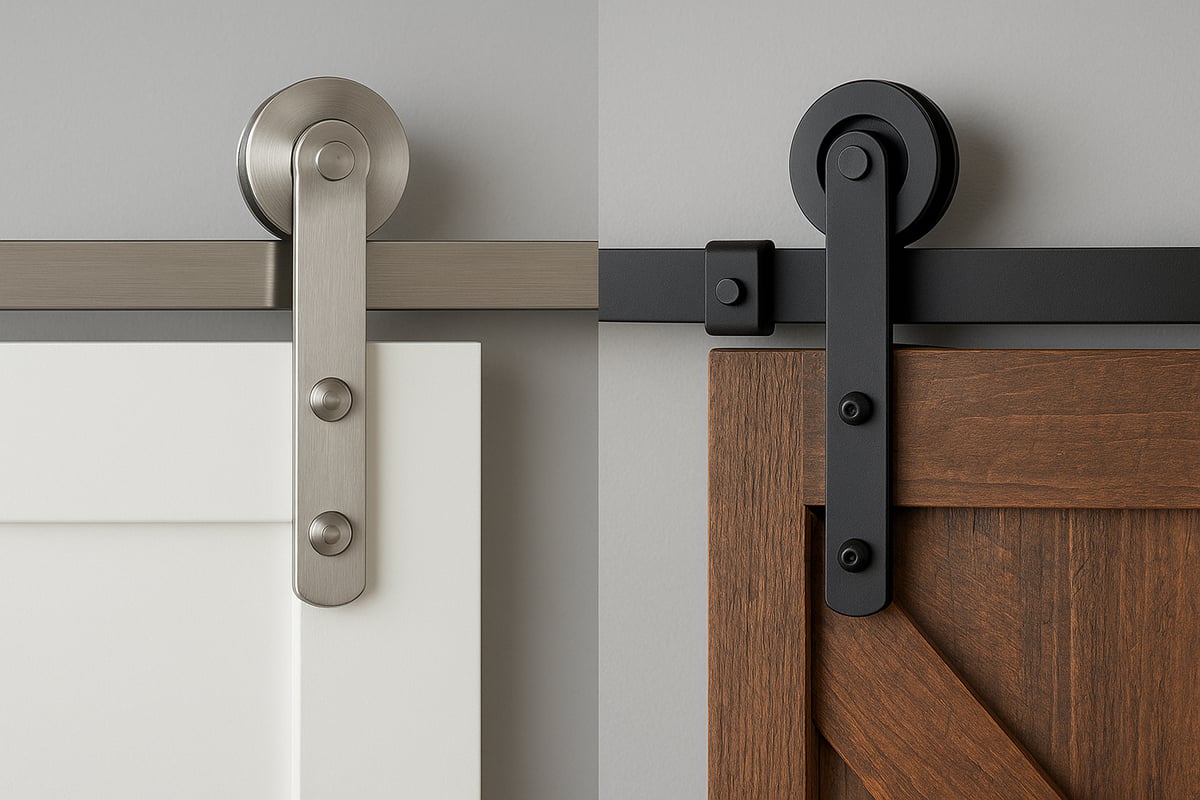
Track door rollers are specialized wheels or mechanisms designed to support and guide sliding doors along a track. Their main job is to carry the weight of the door and ensure steady, reliable movement from one side to the other. You’ll find track door rollers in everything from closet doors and space-saving room dividers to heavy barn doors and commercial storefronts.
These rollers are essential for door stability, preventing unwanted wobbling or misalignment. If you’ve ever pulled a sliding door that felt stuck or off-balance, chances are the track door rollers needed attention. In both homes and businesses, their smooth operation is key to daily convenience and safety.
Main Types of Track Door Rollers
Not all track door rollers are created equal, and picking the right type can make a world of difference. The two biggest categories are top-hung systems, where rollers are mounted above the door, and bottom-rolling systems, which support the door from below. Top-hung options are popular for their clean appearance and easy cleaning, while bottom-rolling rollers are often chosen for heavier doors that need extra support.
Wheel designs vary, too:
| Type | Pros | Cons |
|---|---|---|
| Single-wheel | Simple, affordable, easy to replace | Less stability for wide/heavy doors |
| Double-wheel | Smoother motion, better balance | Slightly more complex install |
| Multi-wheel | Handles extra weight, increased durability | More expensive, larger footprint |
Other options include guide rollers that keep doors aligned, floor-mounted rollers for extra-heavy panels, and hidden or soft-close rollers that add a touch of luxury. To explore a wide range of options, check out the Barn Door Rollers Collection for inspiration.
Materials and Build Quality
What your track door rollers are made from has a huge impact on their performance and lifespan. Steel rollers are known for strength and are often used in industrial or heavy-duty settings. Nylon rollers, on the other hand, are quieter and resist corrosion, making them a favorite in modern homes. Plastic rollers offer affordability but may wear faster, while hybrid designs combine materials for the best of both worlds.
When choosing materials, consider:
- Corrosion resistance for damp or outdoor areas
- Durability for high-traffic or heavy doors
- Noise level, as some materials glide more quietly than others
A roller’s build quality also affects how smoothly your door operates and how long it lasts.
Key Performance Features
Track door rollers come with a variety of features designed to boost performance and user experience. Load capacity is one of the first things to check, as rollers are rated for different door weights, from lightweight panels up to several hundred pounds. Many rollers now include noise-reduction technology, so your doors glide in near silence.
Other helpful features include:
- Anti-jump mechanisms that keep doors safely on the track
- Self-lubricating components for low-maintenance operation
- Compatibility with straight, curved, and bypass track systems
Choosing the right track door rollers with these features ensures your doors move effortlessly and safely.
Real-World Examples and Data
In today’s homes, nylon track door rollers are often chosen for their quiet operation and modern appearance. In contrast, industrial spaces commonly rely on steel rollers to handle heavier loads and constant use. Recent industry data shows that 80 percent of new barn doors in 2024 used nylon or hybrid nylon-steel rollers, highlighting a shift toward materials that balance durability with smooth, quiet function.
This trend reflects a growing demand for track door rollers that combine strength, longevity, and a touch of style. Whether you’re updating your home or managing a commercial facility, keeping up with the latest options helps maintain reliable, hassle-free doors.
Selecting the Right Track Door Rollers for Your Project
Choosing the right track door rollers can feel overwhelming, especially with so many options on the market. If you want your sliding or barn doors to glide effortlessly and last for years, it pays to get this choice right from the start.
Let’s break down what you need to know so you can select the perfect rollers for your project—no guesswork, just smooth results.
Assessing Door Weight and Size
Before you buy any track door rollers, you need to know the weight and dimensions of your door. Why? Because every roller is designed for a specific load range, and using the wrong one can lead to sagging, noisy movement, or even failure.
Start by measuring your door’s height, width, and thickness. Next, check the manufacturer’s specs for the door’s weight. If you built it yourself, calculate the weight based on the material (e.g., solid wood, glass, or composite).
Here’s a quick comparison:
| Door Type | Typical Weight | Recommended Roller Capacity |
|---|---|---|
| Interior Hollow | 40–80 lbs | 100–150 lbs |
| Solid Wood | 100–250 lbs | 200–330 lbs |
| Heavy/Commercial | 300+ lbs | 500 lbs and above |
Always round up when selecting track door rollers. Accurate measurements help prevent roller stress and ensure years of smooth performance.
Matching Rollers to Track Types
Not all track door rollers are compatible with every track system. Flat tracks, round tracks, and box tracks each require specific roller shapes and mounting brackets. For example, bypass and bi-fold installations need rollers designed for multi-door movement, while curved tracks demand flexible roller assemblies.
Industry standards help, but always double-check sizing guides. If you’re unsure, resources like the Sliding Door Track and Hardware Guide offer in-depth info about track compatibility and hardware options.
Take time to ensure your rollers and tracks are a perfect match. This saves headaches and costly returns later.
Material and Finish Choices
Track door rollers come in a range of materials, each with its own pros and cons. Steel rollers are robust and ideal for heavy doors, but they can be noisier. Nylon rollers are quiet and smooth, perfect for bedrooms or offices, but may wear faster under extreme loads. Plastic rollers are affordable but best for lightweight, low-traffic doors.
Finishes matter, too. Black and brushed nickel are stylish for modern interiors, while stainless steel resists rust—ideal for bathrooms or outdoor spaces.
Compare your needs:
| Material | Strength | Noise Level | Best Use |
|---|---|---|---|
| Steel | High | Moderate | Heavy/industrial |
| Nylon | Medium | Low | Residential |
| Plastic | Low | Low | Light/interior |
Choose a finish that complements your décor and stands up to your environment.
Specialized Needs and Upgrades
Sometimes, standard track door rollers just won’t cut it. If you want extra convenience or are working on a unique project, consider these upgrades:
- Soft-close rollers: Prevent slamming, ideal for homes with kids.
- Anti-jump devices: Keep doors safely on track, especially in busy spaces.
- Quiet-glide rollers: Reduce noise to a whisper, perfect for bedrooms.
- Heavy-duty and commercial-grade rollers: Handle extra weight and high-traffic use.
- ADA-compliant options: Make doors accessible for everyone.
These specialized features can transform your sliding door experience, making daily use smoother and safer.
Expert Tip: The Barn Door Hardware Store
If you want a stress-free way to find quality track door rollers, check out The Barn Door Hardware Store. They offer a huge selection of rollers and hardware kits, from stylish residential options to heavy-duty commercial solutions.
Their products are made from durable materials and are easy to install. Whether you need a classic look or modern soft-close, you’ll find hardware that fits your track system and décor.
You also get free shipping in the continental US, expert support, and a limited lifetime warranty. Try their online hardware finder quiz to match your project with the right track door rollers. With a 4.9/5 average rating from over 25,000 customers, you know you’re in good hands.
Installation Guide: Step-by-Step Roller Replacement and Setup
Ready to swap out those worn track door rollers and enjoy a door that glides like new? With the right prep and some patience, you can tackle this project yourself. Let’s break down each step so you can confidently upgrade your sliding or barn door rollers.
Tools and Preparation
Before you start, gather all the tools you’ll need to install track door rollers. You’ll want a screwdriver set, a level, a power drill, measuring tape, safety goggles, and gloves. Having everything within reach makes the process smoother and safer.
Set up a clean, clutter-free workspace. Lay down a drop cloth to protect your floor and give yourself plenty of room to move. Inspect your door and track for damage or debris. This step helps prevent any surprises during installation.
Removing Old Rollers
Begin by carefully unmounting the door from its track. You might need a helper for heavy doors. With the door off, use your screwdriver to remove the fasteners holding the old track door rollers in place.
Once the rollers are off, check the track for dents, warping, or built-up grime. If you spot any issues, address them now so your new track door rollers operate smoothly. Wipe down the track with a damp cloth before moving on.
Installing New Track Door Rollers
Position the new track door rollers on the mounting brackets, aligning them according to the manufacturer’s instructions. Secure each roller to the door with the provided hardware, tightening screws just enough to hold firmly without overtightening.
Double-check that the rollers are spaced evenly and face the correct direction. This ensures your door will roll smoothly and won’t bind. For heavy doors, consider upgrading to rollers rated for higher weight capacities for added peace of mind.
Adjusting and Testing Alignment
With the rollers installed, lift the door back onto the track. Use a level to check that the door hangs straight. Most track door rollers allow for minor height adjustments—loosen and reposition as needed until the door is perfectly level.
Slide the door back and forth, watching for any sticking or wobbling. Make small tweaks to roller height or track position if movement isn’t smooth. Don’t forget to adjust anti-jump devices or stops so the door stays secure during use.
Safety Checks and Final Steps
Before calling the job done, go over every fastener and bracket to make sure nothing is loose. Test the door for any unusual noise, resistance, or instability. A well-installed set of track door rollers should glide quietly and effortlessly.
Dispose of old rollers and packaging responsibly, and tidy up your workspace. If you’re working with a particularly large or heavy door, review tips from the Heavy-Duty Barn Door Safety Guide to ensure your installation meets safety standards.
Troubleshooting Common Installation Issues
If your door drags, rolls unevenly, or makes noise, don’t panic. First, check that the track door rollers are properly tightened and aligned. Sometimes a quick adjustment to the roller height or a dab of lubricant can solve minor issues.
For persistent problems, like the door jumping off its track or continued noise, double-check the track itself for warping or obstructions. If you’re still stuck, it may be time to call a professional or reach out for warranty support from your roller supplier.
Maintenance and Troubleshooting for Long-Lasting Performance
Keeping your track door rollers in top shape is key to hassle-free operation and longer hardware life. Regular care helps prevent common issues like sticking, squeaking, or unexpected failures. Ready to learn how to give your doors the VIP treatment?
Routine Cleaning and Lubrication
To keep track door rollers moving smoothly, routine cleaning is a must. Dust, pet hair, and debris can quickly build up and cause unnecessary friction. Wipe down tracks and rollers every few months using a microfiber cloth and a mild cleaner. For steel or hybrid rollers, apply a light lubricant after cleaning. Nylon rollers typically require less lubrication but still benefit from the occasional wipe.
The type of material matters. If you want to dive deeper into the specifics of roller materials and maintenance, check out Track Roller Materials and Features. This resource outlines the best care practices for different roller types. Keeping your track door rollers clean and well-lubricated ensures quieter operation and less wear over time.
Inspecting for Wear and Tear
Track door rollers face constant movement and weight, so periodic inspection is essential. Look for signs like flat spots, visible cracks, or rollers that seem to stick or wobble. Check the track itself for dents, warping, or any signs of misalignment.
If a roller feels rough or the door no longer glides smoothly, it might be time for a replacement. Compare the feel and sound of both rollers and tracks. Even small issues can lead to bigger problems if ignored. By catching wear early, you keep your track door rollers performing their best and avoid costly repairs.
Addressing Common Roller Problems
Have you noticed your sliding door squeaking, sticking, or even jumping off the track? These are classic signs your track door rollers need attention. The most common fixes include tightening loose hardware, realigning the rollers, or adding a touch of lubricant.
If the problem persists, inspect for debris in the track or worn-down rollers. Sometimes, a quick clean or adjustment is all it takes. For persistent issues, don’t hesitate to consult your roller’s warranty or a professional. Tackling small problems early keeps your track door rollers working smoothly.
Seasonal Maintenance Tips
Weather and seasonal changes can affect track door rollers, especially on exterior doors. High humidity or temperature swings may cause metal tracks to expand or contract, which can impact alignment. In winter, salt or moisture can lead to rust, especially on garage or patio doors.
Be proactive: check rollers and tracks at the start of each season. Apply a weather-resistant lubricant to metal components and wipe away any buildup. For outdoor installations, consider covers or protective sprays. Regular seasonal care will help your track door rollers resist corrosion and keep rolling smoothly all year.
Data and Industry Insights
Did you know that neglect accounts for 60% of sliding door failures? Annual maintenance can dramatically reduce downtime. For example, a commercial property that introduced a yearly maintenance schedule saw door-related disruptions drop by 40%.
Experts recommend inspecting track door rollers at least twice a year, or more often in high-traffic areas. For insights on durability and the performance of heavy-duty rollers, see Heavy-Duty Sliding Door Rollers Performance. Staying informed and proactive with your maintenance routine ensures your track door rollers last longer and operate at peak performance.
Innovations and Future Trends in Track Door Rollers (2026 Outlook)
The future of track door rollers is more exciting than you might expect. If you have ever wondered what is next for sliding doors, you are about to find out. In 2026, the industry is set to experience major shifts in materials, technology, design, and sustainability. Let us take a look at what is on the horizon and how these changes could impact your next door project.
Emerging Materials and Technologies
Track door rollers are embracing some of the most innovative materials on the market. You will start seeing carbon-fiber and advanced polymers replace traditional steel or nylon, bringing lighter weight and higher strength to your sliding doors. These new materials also mean better corrosion resistance and less maintenance.
Self-lubricating and nearly maintenance-free rollers are gaining popularity, making squeaky or stuck doors a thing of the past. There is even movement toward smart rollers, with sensors that monitor movement and notify you if there is a problem. For a deep dive into the latest load capacities and engineering innovations, check out the Yoke and Stud Type Track Rollers guide.
With these breakthroughs, track door rollers are not just getting stronger, but smarter too.
Sustainability and Eco-Friendly Solutions
Sustainability is not just a buzzword in 2026, it is a driving force in the track door rollers industry. Manufacturers are shifting to recycled materials, helping to reduce waste and environmental impact. Many companies now highlight the full lifecycle of their products, so you can feel good about your choices.
Eco-friendly rollers often come with certifications that meet green building standards. This means your door hardware can contribute to LEED points or other sustainability goals.
Choosing track door rollers made from recycled steel or advanced polymers does not mean sacrificing performance. In fact, these options often last longer and require less maintenance than older models.
Design and Aesthetic Trends
Minimalism is taking over, and track door rollers are keeping up. You will see more hidden, ultra-quiet systems that blend seamlessly into modern interiors. Soft-close technology makes doors glide silently, adding a touch of luxury to everyday living. For a closer look at stylish, concealed solutions, explore the Hidden Roller Barn Door Hardware Kits collection.
Custom finishes like matte black, brushed nickel, and even bold designer colors are on the rise. These trends mean that track door rollers are as much a design statement as they are a functional upgrade.
Integration with smart home systems is also growing, making it possible to automate your sliding doors for added convenience.
Market Trends and Consumer Preferences
The demand for DIY-friendly track door rollers is booming. Homeowners want hardware kits that are easy to install, modular, and adaptable to different spaces. This trend is being fueled by home renovation shows and the constant stream of inspiration on social media.
A recent market forecast predicts a 30 percent increase in smart door hardware adoption by 2025. People love the idea of controlling their doors remotely or getting maintenance alerts before problems arise.
Consumers are also prioritizing quality and longevity in track door rollers, looking for products that combine sleek design with robust performance.
Anticipated Challenges and Opportunities
With so much innovation, there are still challenges ahead for track door rollers. Manufacturers need to balance lightweight designs with long-term durability. Supply chain issues and rising material costs can impact availability and price.
However, these challenges open up opportunities for more customization and personalization in door hardware. As technology advances, you will find more options tailored to your unique needs and style.
The future of track door rollers is bright, offering smarter, greener, and more beautiful solutions for every home and business.
So, after diving into all the ins and outs of track door rollers—types, materials, troubleshooting, and even where the industry’s headed—you might be wondering, “Okay, but where do I actually find hardware I can trust for my own project?” I totally get it—nobody wants to risk a wobbly or squeaky door after all that research. That’s where The Barn Door Hardware Store comes in. With their wide selection, expert guidance, and a reputation for quality, you can take the next step with total confidence. Why not check out their options and see what fits your space and style?
