


Hidden Hardware Guide: Unlocking Seamless Design in 2026
Imagine stepping into a home where every door, cabinet, and fixture blends so well into the walls that they almost disappear. It feels like walking through a space designed by magic, where nothing interrupts the flow.
In 2026, hidden hardware is transforming interiors by merging flawless function with minimalist style. The result? Spaces that look clean, modern, and effortlessly beautiful.
Curious about how this trend works and how you can bring it into your own home? This guide will walk you through the evolution of hidden hardware, the latest innovations, smart installation tips, and real-life examples.
Ready to unlock seamless design in your living spaces? Let's dive in and discover the secrets behind invisible interiors.
The Evolution of Hidden Hardware in Modern Design
Ever stopped to wonder how a room can feel both modern and timeless, yet you can't quite put your finger on why? It might be the magic of hidden hardware at play. Let’s take a journey from its humble beginnings to the high-tech solutions of 2026.

The Roots of Concealed Hardware
Hidden hardware might sound ultra-modern, but its roots go way back. Early architects and furniture makers were already experimenting with ways to tuck away hinges and latches, aiming for clean lines and understated elegance.
As design preferences shifted from the ornate flourishes of the Victorian era to the clean, minimalist look of the mid-century modern movement, the desire for seamless surfaces grew. Homeowners and designers started craving spaces where doors and cabinets didn’t interrupt the flow of a room.
Mid-century architects, especially, leaned into this trend. Think of those classic homes with flush cabinetry, or the secret doors tucked into wood-paneled libraries. In fact, some historic mansions featured hidden doors leading to private studies or service areas, proving that hidden hardware is both practical and a little bit magical.
Today, the concept remains the same: create spaces where function and style blend perfectly. Hidden hardware has become synonymous with luxury and thoughtful design, setting the stage for the innovations we see now.
Technological Advancements Leading to 2026
Fast forward to today, and hidden hardware has gotten a serious upgrade. Technology has transformed what’s possible, making these solutions stronger, sleeker, and even smarter.
New materials like high-strength alloys and precision manufacturing allow for magnetic latches and 3-way adjustable concealed hinges that are both durable and nearly invisible. Imagine opening a heavy oak door with a gentle touch, thanks to a high-force magnetic latch.
Smart technology is now part of the mix. Touch-to-open cabinets, automated doors, and even app-controlled panels are becoming the norm in high-end homes. This shift means hidden hardware isn’t just about looks anymore, but also about convenience and accessibility.
Let’s compare the 2010s with the 2020s in a quick table:
| Feature | 2010s | 2020s & 2026 |
|---|---|---|
| Durability | Moderate | High |
| Adjustability | Basic | 3-way, precision |
| Aesthetics | Visible lines | Seamless, flush |
| Smart Integration | Rare | Common (touch-to-open) |
Products like the Sugatsune HES3D-E190DC hinge and Saint Louis Designs magnetic touch latches have set new benchmarks for what hidden hardware can achieve. The result? More possibilities for truly seamless, functional spaces.
Consumer Demand and Market Growth
So, why has hidden hardware exploded in popularity? You can thank a mix of Instagram-ready home tours, binge-worthy renovation shows, and a growing love for minimalism. People want homes that feel uncluttered and full of secret surprises.
Designers report a surge in requests for hidden doors, secret rooms, and flush cabinetry. This isn’t just a passing fad. According to recent Hardware Products of Doors & Windows Market Growth statistics, the market for hidden hardware is on a steady climb, with more homeowners investing in seamless solutions each year.
Social media has made these features more visible than ever, inspiring homeowners to seek out the same clean lines and clever concealment they see online. Builders and architects note that clients often ask for hidden hardware by name, eager to create that wow factor in their own spaces.
In short, hidden hardware isn’t just a detail, it’s a movement. Its evolution is driven by technology, changing tastes, and a desire for spaces that feel both effortless and extraordinary.
Types of Hidden Hardware and Their Applications
Step into the world of hidden hardware and you’ll quickly see why it’s become a must-have for seamless design. Whether you’re dreaming of a secret room, a sleek kitchen, or a minimalist living space, the right hidden hardware can transform ordinary features into extraordinary statements. But what are the main types, and where do they shine best? Let’s explore the essential categories and their real-life uses.

Hidden Hinges and Concealed Door Systems
Hidden hinges are the backbone of any truly seamless design. Unlike traditional hinges, these concealed solutions disappear into doors and frames, leaving only crisp, uninterrupted lines. You’ll find them in flush cabinetry, secret rooms, and even in historical renovations where visual purity is key.
Modern concealed hinges come in several forms:
- Full overlay hinges for doors that cover the entire frame.
- 3-way adjustable hinges for perfect alignment.
- Heavy-duty options for large or solid-core doors.
Take custom projects using Sugatsune or Saint Louis Designs hardware as examples. These brands deliver high-precision components that make hidden doors a reality, even in tricky spaces. Installation can be demanding, though. Getting the alignment right takes patience, careful measurement, and often, a few extra hands. But the payoff is a door that all but vanishes—until you open it.
Magnetic and Mechanical Touch Latches
If you crave a handle-free look, magnetic and mechanical touch latches are your best friends. They allow doors and panels to pop open with a gentle push, no visible hardware required. Magnetic latches use strong magnets to keep doors closed, while mechanical versions rely on spring-loaded catches.
The right latch depends on your door’s weight:
- Light doors work well with standard magnetic catches.
- Heavy doors may need specialized latches like the Saint Louis Designs magnetic touch latch, which can handle up to 12 pounds of force.
Compared to classic cabinet hardware, these latches deliver a much cleaner appearance. Installation is simple, but choosing the right force rating is key. Too weak, and the door drifts open. Too strong, and you’ll be wrestling to get it open. Still, the tactile magic of a push-to-open door never gets old.
Sliding and Pocket Systems
Sliding and pocket systems are the secret sauce for maximizing space and achieving true concealment. Hidden hardware lets you slide doors or panels into walls, behind cabinetry, or even under stairs. The result? Spaces that flow, with no bulky doors in the way.
You’ll often see these systems in:
- Media rooms, where large panels hide screens or electronics.
- Bathrooms, with pocket doors that disappear for privacy.
- Mechanical closets, where access needs to be easy but discreet.
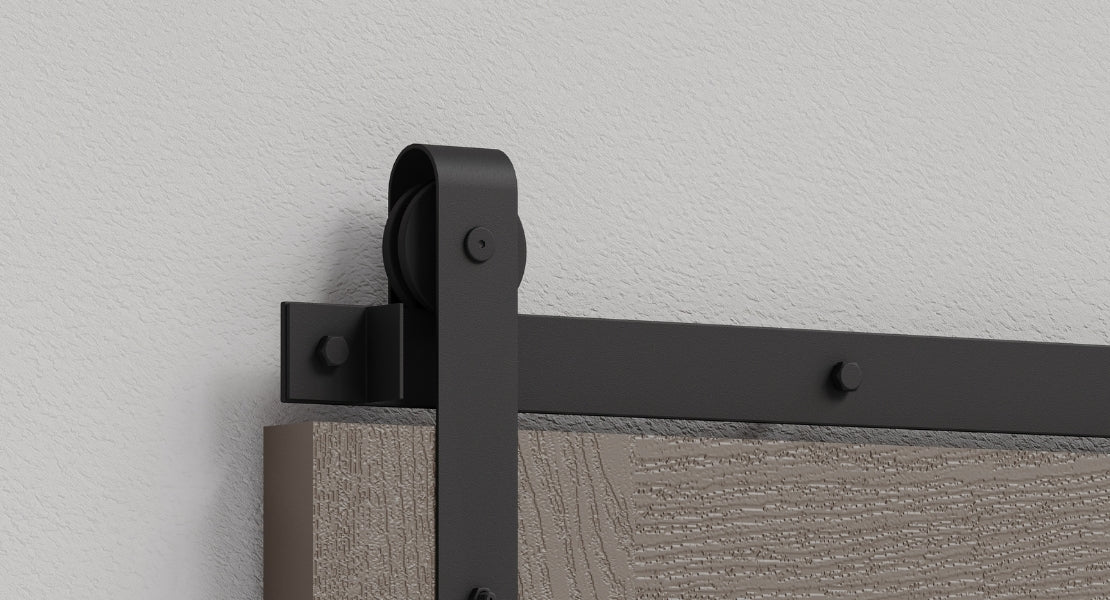
Integration can involve custom tracks and careful wall planning. For those who love barn doors but want a more discreet solution, Hidden Roller Barn Door Hardware Kits offer a seamless take on a classic style. The beauty of these systems is their flexibility—they can be designed to fit nearly any opening or aesthetic.
Hidden Drawer Slides and Cabinet Hardware
For kitchens and baths, hidden hardware means sleek, handleless cabinetry. Undermount drawer slides keep mechanisms out of sight, while push-to-open features eliminate knobs and pulls altogether. Concealed pulls, often used in modern designs, add to the minimalist vibe.
Applications include:
- Kitchens with handle-free island drawers.
- Bathrooms where every surface is flush.
- Custom furniture pieces that hide storage in plain sight.
Modern kitchens, for example, often use push-to-open drawers for a seamless look. If you’re seeking inspiration or practical solutions, the Handles and Flush Pulls for Doors collection showcases options that blend perfectly with hidden hardware setups. The challenge is balancing smooth operation with durability, but the right hardware delivers both.
Smart and Automated Hidden Hardware
Technology has taken hidden hardware to the next level. Now, you can install motorized doors, app-controlled panels, or even voice-activated secret rooms. These smart systems are perfect for accessibility, security, or just adding a wow factor to your space.
Real-world examples include:
- Smart home hidden storage activated by your phone.
- Panic rooms with concealed, motorized entry.
- Automated panels in luxury hotels or offices.
The pros? Unmatched convenience and security. The cons? Higher costs and the need for occasional maintenance. Still, smart hidden hardware is a glimpse into the future of seamless design, where your home responds to you in ways you never imagined.
Integrating Hidden Hardware into Seamless Design
Integrating hidden hardware into your home or project is about more than just picking out trendy fixtures. It’s a thoughtful process that starts at the very first design sketch and continues through to the final touch of paint. Let’s look at how you can turn inspiration into a flawless, seamless space.

Planning for Concealed Hardware from the Start
If you want the magic of hidden hardware, you need to think about it right from the start. Have you ever tried to add something “invisible” after the walls are up? It’s a headache. Early planning lets you coordinate with architects, designers, and builders so the structure, clearances, and finishes all work together.
For example, if you’re dreaming of a powder room tucked under the stairs with a door that vanishes into the wall, you have to account for wall thickness, panel depth, and where the hinges will hide. That way, when everything’s installed, there are no awkward bumps or visible lines to give away the secret.
Collaboration is key. Get everyone on board early, and your hidden hardware will look intentional, not like an afterthought.
Material Choices and Surface Treatments
Selecting the right materials is crucial for the perfect hidden hardware effect. MDF, flush wood panels, and even mirrored surfaces are popular because they disguise seams and help hardware blend into the background. The finish you choose—paint, veneer, or even horizontal shiplap—makes a huge difference in how seamless your space feels.
Paint and finishing techniques can take your project from “almost hidden” to truly invisible. For instance, a case study with oak-paneled basement walls shows how invisible doors can be achieved when panels, paint, and grain all line up perfectly. Want handleless cabinetry or push-to-open drawers? Explore cabinet hardware kits for seamless design to find solutions that keep everything looking sleek and uninterrupted.
Keep in mind, the right surface treatment not only hides the hardware but also stands up to daily wear and tear.
Achieving Flawless Alignment and Functionality
Precision is the secret to making hidden hardware work. Every seam, hinge, and latch needs to be perfectly aligned for a truly seamless look. Installers often use laser levels, jigs, and custom templates to get everything just right. Even a tiny misalignment can catch the light or cause the hardware to stick, ruining the illusion.
Common challenges include warping doors, panels that shift over time, or wear from repeated use. That’s where expert craftsmanship really shows. Master builders often share that patience and attention to detail are non-negotiable for hidden hardware projects.
If you want invisible seams and smooth operation, don’t rush. Take your time with measurements, and always double-check before making cuts or mounting hardware.
Balancing Accessibility and Concealment
Making things invisible is exciting, but you still want your space to be livable. Striking the right balance between accessibility and concealment is an art. Touch-to-open mechanisms make it easy for everyone to use hidden doors or cabinets, especially in high-traffic areas.
Think about magnetic latches for doors that get used a lot, as they can handle repeated opening and closing without wearing out. If you’re designing for someone with accessibility needs, choose hardware that’s easy to operate but still blends in with the overall design.
Remember, the goal is to make hidden hardware both functional and beautiful, so you never have to sacrifice one for the other.
Cost Considerations and Value
Hidden hardware often costs more than standard options, but it can add significant value to your property. Quality hardware, expert installation, and custom finishes all factor into the budget. It’s worth comparing prices across brands and considering the long-term benefits.
Here’s a quick summary:
| Feature | Standard Hardware | Hidden Hardware |
|---|---|---|
| Initial Cost | Low | Moderate-High |
| Visual Impact | Obvious | Seamless |
| Property Value | Standard | Increased |
| Maintenance | Basic | Occasional |
Many homeowners find that the investment in hidden hardware pays off in both style and resale value. If you’re planning a renovation, weigh the upfront costs against the long-term rewards of a space that feels custom, modern, and truly seamless.
Step-by-Step Guide: Installing Hidden Hardware for Seamless Spaces
Ready to create a flawless, uninterrupted look in your home? Installing hidden hardware can feel intimidating, but with the right approach, it’s absolutely doable. Let’s break it down into clear, manageable steps, so you can bring that seamless design vision to life in your own space.

Step 1: Assessing Your Space and Design Goals
Start by walking through your home and imagining where hidden hardware could make the biggest impact. Are you dreaming of a disguised bathroom door, handleless kitchen cabinets, or a secret storage nook? Think about both function and aesthetics.
Measure your available wall or cabinet space carefully. Note any structural elements, like plumbing, electrical lines, or load-bearing walls, that could affect your plans.
Ask yourself: What’s the main goal? Do you want to declutter the look, create a surprise element, or just make cleaning easier? Write down your priorities. This clarity helps guide every decision as you move forward with hidden hardware.
Step 2: Selecting the Right Hardware Solutions
Choosing the right hidden hardware is crucial for both performance and appearance. Consider the weight of your doors or panels, how often they’ll be used, and the look you’re after. There are many options, from concealed hinges and magnetic latches to push-to-open slides and automated systems.
Don’t forget to compare brands, force ratings, and adjustability. For deeper insight into available types, including concealed options, check out this Barn Door Hardware and Door Guide.
Decide if you need custom solutions or if an off-the-shelf kit will do. The right hidden hardware can make or break the seamless effect you want.
Step 3: Preparing Materials and Surfaces
Now it’s time to get hands-on. Select materials that work well with hidden hardware, like MDF, solid wood, or composite panels. Strong, stable materials help avoid warping and keep your lines crisp.
Prepping is key. Sand surfaces smooth and ensure all edges are square. Plan for any paint or finish you’ll be using, as flush seams and a consistent surface are essential for that invisible look.
Double-check that your chosen materials can support the weight and function of your hidden hardware. Good prep now means fewer headaches later.
Step 4: Installation Best Practices
Precision is everything when installing hidden hardware. Start by marking exact locations for hinges, latches, or slides. Use a laser level, jigs, or custom templates for perfect alignment.
Drill pilot holes to prevent splitting and mount hardware snugly. Adjust as needed so doors or panels sit flush and operate smoothly.
Here’s a tip: Take your time at this stage. Even small misalignments can ruin the seamless effect. If you’re working with heavy or oversized panels, consider having a second set of hands to help.
Step 5: Final Touches and Quality Checks
Before you step back to admire your work, run through a quick checklist. Are all seams invisible? Does the hidden hardware operate quietly and smoothly? Open and close everything several times to be sure.
Look for gaps, sticking points, or any visible hardware. If you spot issues, make adjustments right away.
Finish up with a gentle cleaning and check that all paint or finish is even. Regular maintenance, like tightening screws or lubricating moving parts, will keep your hidden hardware performing beautifully for years.
Real-World Applications: Hidden Hardware in Action
Peek behind the scenes of today’s most impressive interiors, and you’ll discover a world where hidden hardware quietly steals the show. From breathtaking homes to innovative commercial spaces, seamless design is transforming what’s possible. Let’s explore how hidden hardware is making waves, one project at a time.
Residential Case Studies
Hidden hardware is redefining what it means to live in a seamless, clutter-free home. Take, for example, the powder room tucked under a staircase, its entrance concealed by a wall of MDF panels. Only those in the know can find the perfectly flush door, thanks to high-quality concealed hinges and magnetic latches.
In another case, a hall bathroom door disappears into horizontal shiplap sheathing. The hidden hardware ensures the only hint of a door is the subtle break in the paneling, creating a continuous visual flow down the corridor.
Perhaps most striking is the oak-paneled basement wall that holds not one, but two hidden doors. One leads to a cozy media room, the other to a well-camouflaged HVAC closet. Both use push-to-open mechanisms and heavy-duty concealed hinges, delivering both function and surprise.
- Powder room under stairs: MDF paneling, magnetic latch.
- Hall bathroom: shiplap, flush concealed hinges.
- Oak basement wall: dual hidden doors, push-to-open hardware.
These real-world examples show how hidden hardware creates spaces that are both practical and visually stunning.
Commercial and Hospitality Uses
In commercial settings, hidden hardware serves both style and function. Imagine stepping into a luxury hotel suite where the service door blends into the wall, or a restaurant where storage is tucked out of sight behind seamless panels. Offices are also embracing the trend, hiding supply closets and utility panels for a cleaner look.
Hotels, in particular, are leading the charge. Many now feature automated hidden doors that open with a wave or a tap, offering guests privacy and a touch of magic. Restaurants use hidden hardware to maintain elegant dining rooms free of visual clutter, with storage and staff entrances only revealed when needed.
- Luxury hotel suites: automated hidden doors.
- Restaurants: hidden service panels, flush cabinetry.
- Offices: concealed storage, seamless conference rooms.
By integrating hidden hardware, these spaces achieve a high-end, uninterrupted aesthetic that impresses guests and clients alike.
Creative and Security Applications
Hidden hardware is not just about looks, it’s also about function and security. Homeowners are getting creative with secret rooms, panic rooms, and vaults that use advanced hardware solutions. Imagine a custom home where a bookcase swings open to reveal a wine cellar, or a safe room is concealed behind a mirrored panel.
Smart home integration is taking hidden hardware to new heights. App-controlled panels and motorized doors make secret spaces more accessible and secure than ever. This is where the influence of IoT Hardware Market Analysis becomes clear, as the demand for connected, automated hidden hardware grows.
- Secret rooms: bookcase doors, touch-to-open panels.
- Panic rooms: reinforced hardware, smart locks.
- Wine cellars: concealed entrances, app-based access.
With these advancements, hidden hardware is about more than aesthetics, it’s about creating spaces that are both safe and extraordinary.
Lessons Learned and Expert Tips
Perfecting hidden hardware installations requires skill, patience, and a keen eye for detail. Builders emphasize that craftsmanship is key, as even the slightest misalignment can ruin the seamless effect. Investing in quality hardware pays off in both performance and longevity.
Balancing cost, function, and design is essential. While hidden hardware can be more expensive up front, the value it adds to property and daily life often outweighs the investment. Experts recommend planning early and working closely with experienced installers.
Looking ahead, staying informed about technology trends is crucial. As highlighted in Arm's 2026 Tech Predictions, innovations in automation and materials will continue shaping the future of hidden hardware. For homeowners and professionals alike, exploring new products and techniques keeps spaces at the cutting edge.
- Prioritize precision during installation.
- Choose reputable brands for reliability.
- Stay updated on smart hardware innovations.
Ultimately, hidden hardware is about pushing the boundaries of design, one seamless space at a time.
The Future of Hidden Hardware: Trends for 2026 and Beyond
The future of hidden hardware is brighter than ever. If you love the idea of invisible design, you’re in for some exciting changes. From smart innovations to new materials, hidden hardware is about to become more advanced, accessible, and essential for seamless spaces.
Innovations on the Horizon
Let’s talk about what’s next for hidden hardware. Designers and manufacturers are experimenting with materials like carbon fiber and ultra-thin composites. These materials make hidden hardware lighter, stronger, and even more durable.
Automation is also stepping up. Imagine hidden doors that respond to your voice or smartphone commands. There’s even talk about AI-integrated panels that know when you want access. Sustainability is another big trend. Eco-friendly finishes and recyclable parts are becoming standard in hidden hardware production.
New breakthroughs in semiconductor technology, like those highlighted in the Breakthrough Semiconductor Discovery 2026, could soon power smarter and more energy-efficient hidden hardware, making automated panels and locks faster and more reliable.
Evolving Consumer Preferences
What do homeowners want from hidden hardware in 2026? Minimalism is still king. People crave seamless spaces without visual clutter. Customization is rising too. You might want a hidden wine cellar, while your neighbor dreams of a secret reading nook.
Social trends like wellness, biophilic design, and decluttering also shape what’s popular. Hidden hardware lets you hide away distractions and keep your home feeling calm and organized.
Designers are responding by offering modular hidden hardware kits, so you can mix and match to suit your space. If you’re a fan of personalized interiors, this is your time.
Integration with Smart Home Ecosystems
Smart homes are everywhere, and hidden hardware is joining the party. Now, hidden hardware can connect with platforms like Alexa and Google Home. Imagine unlocking a secret door with a simple voice command or controlling hidden panels through your phone.
Smart locks and sensors are being built into hidden hardware for extra security. Privacy is a big deal, so manufacturers are adding features to keep your data safe while making your secret spaces even more secure.
As technology evolves, expect hidden hardware to blend seamlessly into your digital life. You’ll get more control, convenience, and peace of mind.
Industry Insights and Market Projections
Where is the hidden hardware market headed? Experts predict steady growth through 2026. Builders, designers, and hardware makers see more demand for flush doors, concealed hinges, and automated systems.
Here’s a quick look at what’s driving the market:
| Trend | Impact on Hidden Hardware |
|---|---|
| Minimalist Design | Higher demand for seamless options |
| Smart Home Integration | New tech and automation features |
| Sustainability | Eco-friendly materials and finishes |
| Customization | Modular and flexible solutions |
Challenges remain, like the cost of advanced systems and the need for skilled installers. But the opportunities for innovation and value are bigger than ever.
Inspiration for Future Projects
Feeling inspired to try hidden hardware in your own space? Top designers suggest starting small: maybe a hidden cabinet or a flush bathroom door. As you get comfortable, you can explore bigger ideas like secret rooms or motorized panels.
Don’t be afraid to experiment. The hidden hardware world is full of creative options, and the only limit is your imagination. Check out design magazines and online resources for fresh ideas and product recommendations.
With so many trends on the horizon, there’s never been a better time to make your home truly seamless.
So, if you’re starting to imagine your own home where doors and hardware simply blend away—leaving only clean lines and calming spaces—you’re not alone. We all want that effortless, seamless look, but getting it right means choosing the best hidden hardware from the start. Whether it’s for a secret room, a tidy kitchen, or just to keep things minimal, making the right choice is key. If you’re ready to explore what’s possible and want hardware designed for both style and function, take a look at hidden barn door hardware for inspiration and options to get you started.
