

There's something magical about walking into a home and seeing a door that tells a story. Not just any door, but one that's lived a life before arriving in your space. Barnwood sliding doors have become more than just a design trend-they're a way to connect our modern homes with authentic history, sustainability, and craftsmanship that you can actually touch and feel. Whether you're renovating a century-old farmhouse or adding character to a brand-new build, these doors bring a warmth that manufactured materials simply can't replicate.
The Real Appeal of Reclaimed Barnwood
Let me tell you about Sarah, a homeowner from Oregon who reached out to us last fall. She'd purchased a 1920s bungalow and wanted to honor its history while making it functional for her young family. After months of searching for the right doors, she discovered reclaimed wood internal sliding doors and knew she'd found her answer. What makes barnwood so special isn't just the weathered appearance-it's the genuine patina that develops over decades of exposure to the elements.
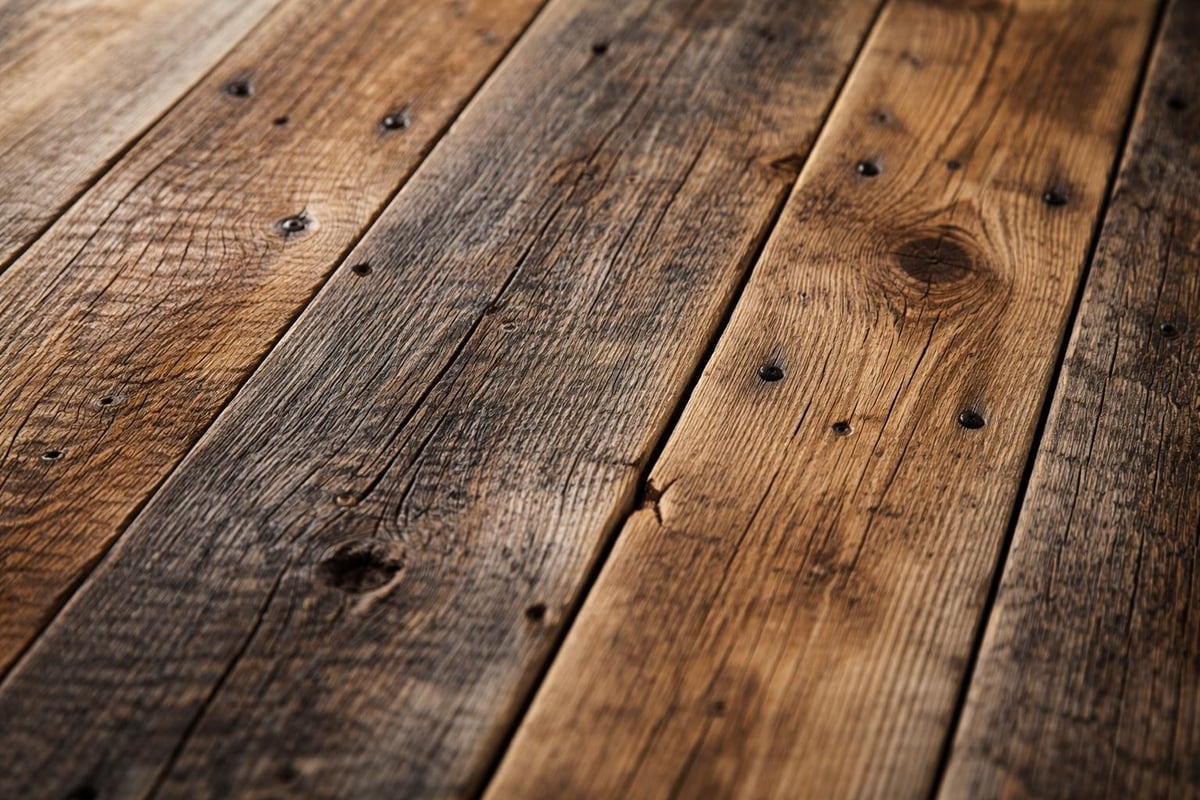
Barnwood sliding doors carry visible marks of their previous life. You'll find nail holes from where boards were originally fastened, color variations from sun exposure, and unique grain patterns that tell you exactly how that tree grew a century ago. This isn't distressed wood that's been artificially aged in a factory. It's the real deal.
Why Choose Barnwood Over New Materials?
The question comes up all the time: why not just buy new wood and stain it to look old? Here's the thing-you can spot the difference immediately. Authentic barnwood has:
- Density and stability that comes from slow-growth old timber
- Natural weather-checking that creates character without compromising structure
- Unique coloration from oxidation and sun exposure over 50-100+ years
- Sustainability credentials that reduce demand for new lumber
- One-of-a-kind appearance where no two boards match exactly
When Seattle Magazine profiled Washington barnwood doors in 2024, they interviewed craftspeople who've worked with reclaimed materials for over 20 years. The consensus? The structural integrity of old-growth timber surpasses most new lumber available today. Those trees grew slowly in dense forests, creating tight grain patterns that modern plantation-grown wood can't replicate.
Design Versatility That Works Anywhere
Here's where barnwood sliding doors really shine-they're chameleons. I've seen them work beautifully in ultra-modern lofts in Brooklyn and rustic cabins in Montana. The secret is in how you pair them with the right hardware and surrounding design elements.
Farmhouse and Rustic Settings
This is the natural home for barnwood sliding doors, right? But even within this category, you've got options. A friend of mine installed barnwood doors in her 1880s Vermont farmhouse, choosing to keep the wood completely natural with just a clear matte sealant. The grey and silver tones complement her white shiplap walls perfectly.
For farmhouse aesthetics, consider these combinations:
| Design Element | Barnwood Pairing | Effect |
|---|---|---|
| White walls | Natural grey barnwood | Classic farmhouse contrast |
| Exposed beams | Dark stained barnwood | Rich, layered texture |
| Subway tile | Lighter barnwood tones | Clean with warmth |
| Shiplap | Varied barnwood colors | Depth and authenticity |
The Classic J-Strap Barn Door Hardware Kit particularly complements this aesthetic, with its traditional curved design that echoes the same heritage as the reclaimed wood itself. When you're working with authentic materials, matching them with American-made hardware that honors that same tradition just makes sense.

Contemporary and Industrial Spaces
Now this is where people get surprised. Barnwood sliding doors in a modern condo? Absolutely. The key is treating the door as an intentional focal point rather than trying to make everything match. Sun Mountain Door explores how mixing materials creates visual interest that pure minimalism often lacks.
I worked with a client in Chicago who installed barnwood sliding doors in his industrial loft-all concrete floors, steel beams, and floor-to-ceiling windows. The weathered wood provided the organic counterbalance his space desperately needed. He paired it with matte black hardware and left the barnwood completely unsealed to maintain its raw texture.
Sourcing Quality Barnwood
Not all barnwood is created equal, and this is where you need to be careful. The barnwood sliding door market has exploded, and unfortunately, that's brought some questionable suppliers along with it.
What to Look for in Authentic Reclaimed Wood
When you're evaluating barnwood, here's what matters:
- Documented origin - reputable suppliers tell you where the wood came from
- Proper kiln-drying - eliminates insects and stabilizes moisture content
- Structural inspection - all boards checked for hidden rot or weakness
- Denailing process - metal removed safely without damaging wood
- Proper milling - boards surfaced to consistent thickness
The craftsmanship of custom barn doors requires understanding that reclaimed wood behaves differently than new lumber. It's already expanded and contracted through countless seasonal cycles, which actually makes it more stable once properly prepared.
Red Flags to Avoid
I've heard too many stories about barnwood purchases gone wrong. Watch out for:
- Suppliers who can't or won't tell you the wood's origin
- Prices that seem too good to be true (real reclaimed wood costs more)
- Wood that still has an active insect problem
- Boards with structural cracks running through critical areas
- Sellers who don't offer any warranty or return policy
Installation Considerations
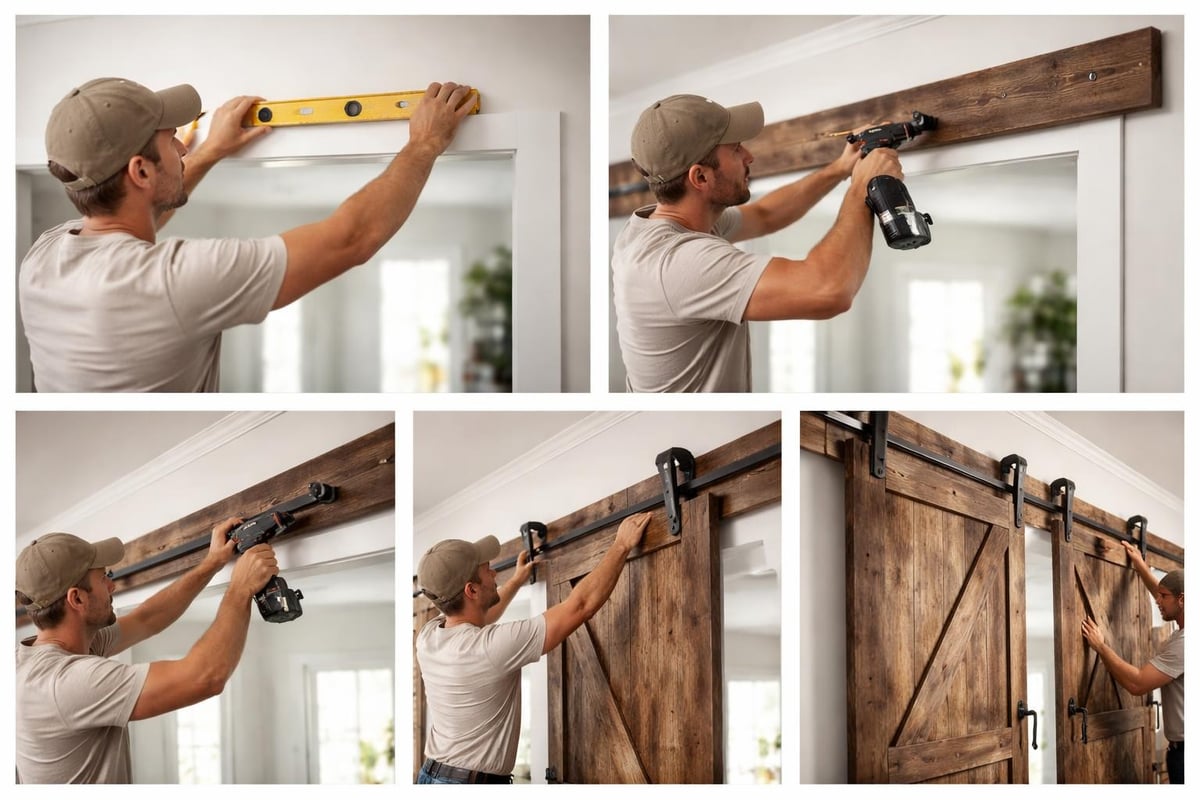
Installing barnwood sliding doors isn't quite the same as hanging a standard door. The material's unique characteristics require some special attention, but don't let that intimidate you.
Weight and Hardware Requirements
Barnwood, especially old-growth timber, is dense. Really dense. A typical 36" x 84" barnwood door might weigh 80-120 pounds depending on thickness and wood type. This means your barn door hardware needs to be rated appropriately.
Most quality hardware kits support 200+ pounds, but always verify before purchasing. The wall mounting matters just as much as the hardware itself. You're looking at:
- Solid backing - mount to studs or install blocking
- Proper fasteners - typically 3" lag screws into structural wood
- Level installation - critical for smooth operation
- Adequate clearance - account for any warping in reclaimed wood
Dealing with Imperfections
This is where barnwood gets interesting. That beautiful character you love? It sometimes means boards aren't perfectly flat or straight. I remember installing a set of barnwood doors where one board had a gentle bow from its years on a barn wall. Rather than fight it, we embraced it, using that board as an intentional design element.
When designing custom barn doors, experienced builders know to work with the wood's natural tendencies rather than against them. Here's how:
- Select and position boards to balance out any warping
- Use slightly longer hardware to accommodate thickness variations
- Plan your door panel construction to distribute weight evenly
- Accept that some gaps and irregularities add to the authentic character
Finishing and Maintenance
How you finish your barnwood sliding doors dramatically affects both their appearance and longevity. This isn't a one-size-fits-all decision.
Sealing Options and Their Effects
You've got three main approaches, each with distinct advantages:
| Finish Type | Appearance | Maintenance | Best For |
|---|---|---|---|
| Natural/Unsealed | Raw, authentic texture | Regular cleaning only | Low-traffic areas, design statement |
| Matte Sealant | Preserves original look | Minimal, protects from moisture | Bathrooms, kitchens, high-use |
| Oil Finish | Enriches color, slight sheen | Periodic reapplication | Areas wanting enhanced grain |
A designer I know in Nashville swears by leaving barnwood completely natural in bedroom applications but always seals it for bathroom and kitchen doors. The moisture exposure in those rooms can cause unsealed wood to absorb odors and develop issues over time.
Long-Term Care
Here's the good news: barnwood sliding doors are incredibly low-maintenance if properly installed. This wood survived decades in a barn-your living room isn't going to faze it. Still, a few practices help them stay beautiful:
- Dust regularly with a soft, dry cloth
- Clean spills immediately to prevent staining
- Check hardware annually and tighten if needed
- Keep tracks clear of debris for smooth operation
- Avoid harsh chemical cleaners that can damage patina
Real Projects, Real Results
Let me share a few stories from people who've installed barnwood sliding doors and how it changed their spaces.
Marcus renovated a 1960s ranch house in Arizona, wanting to add warmth to the open-concept layout without closing off rooms. He installed barnwood sliding doors between the kitchen and dining area. "When we have guests over, we slide them open for flow," he told me. "But when my teenagers are doing homework at the dining table and I'm cooking, we can close them to reduce noise. The weathered grey barnwood ties together our modern kitchen with the exposed brick we kept from the original house."
Then there's Jennifer in Pennsylvania, who converted her detached garage into an art studio. She sourced barnwood from a torn-down tobacco barn about 40 miles from her property-wood that had stood in her region for over 100 years. "Every time I slide that door open to start working, I feel connected to the history of this place," she shared. "It's not just functional; it's meaningful."
Cost Considerations
Let's talk money because this question always comes up. Are barnwood sliding doors expensive? The honest answer is: they can be, but there's a wide range depending on your choices.
Breaking Down the Investment
A complete barnwood sliding door installation typically includes:
- The door itself - $500 to $3,000+ depending on size, wood quality, and construction
- Hardware kit - $200 to $600 for quality hardware kits
- Installation - $300 to $800 if hiring professionals (DIY eliminates this)
- Finishing materials - $50 to $200 for sealants and supplies
- Handles and accessories - $30 to $150 from collections like barn door handles
Total investment typically ranges from $1,000 to $4,500 for a single door installation. That's definitely more than a standard hollow-core interior door, but you're getting something completely different-a functional piece of history.
Value That Lasts
Here's what people often don't consider: barnwood sliding doors are an investment that appreciates. They don't wear out or go out of style the way trendy finishes do. That same character that makes them beautiful now will be equally appealing in 20 years. Plus, they often become a talking point that helps when selling your home.
Customization Possibilities
One of the best aspects of barnwood sliding doors is how customizable they are. You're not limited to standard sizes or configurations.
Size and Configuration Options
Working with traditional barn doors as a starting point, you can modify dimensions to fit your exact opening. Need an oversized door for a master bedroom? No problem. Want a double-door setup for a wide hallway? Totally doable.
Popular configurations include:
- Single panel for closets and bedrooms
- Double doors meeting in the middle for grand openings
- Bifold designs for space-conscious installations
- Bypass systems where doors slide past each other
- Floor-to-ceiling panels for dramatic impact
Adding Personal Touches
Beyond size, you can customize:
- Wood selection and color mixing for unique patterns
- Handles and hardware finishes to match your style
- Diagonal, horizontal, or vertical board orientation
- Incorporating windows or cutouts for light transfer
- Metal accents or decorative strapping
Environmental Impact
In 2026, sustainability isn't just a buzzword-it's a genuine concern for many homeowners. Barnwood sliding doors check important environmental boxes that new construction materials don't.
The Sustainability Factor
Using reclaimed barnwood means:
- No new trees harvested - reduces deforestation pressure
- Diverts waste - keeps usable material out of landfills
- Lower carbon footprint - minimal processing compared to new lumber
- Preserves old-growth characteristics - impossible to replicate with new trees
- Supports local salvage - often sourced regionally
When the Barron Designs team discusses luxury barn doors, they emphasize that choosing reclaimed materials isn't about sacrificing quality-it's about demanding better materials while making responsible choices.
Certifications and Standards
Look for suppliers who can document their sourcing practices. While reclaimed wood doesn't typically carry FSC certification (that's for new lumber), reputable suppliers should be able to explain their salvage process and environmental commitments.
Finding the Right Partners
Whether you're buying ready-made doors or having them custom-built, choosing the right supplier and installer makes all the difference.
Questions to Ask Suppliers
Don't be shy about interrogating potential suppliers:
- Where exactly did this barnwood come from?
- How long has it been kiln-dried and at what temperature?
- What's your return policy if I'm not satisfied?
- Can you provide references from recent customers?
- Do you offer any warranty on the door construction?
- What finishing options do you recommend for my application?
Working with Installers
If you're hiring installation help, make sure they have specific experience with barn door hardware. The installation process differs from traditional hinged doors, and hardware kits require proper mounting techniques to ensure smooth, safe operation.
Ask potential installers:
- How many barn door installations have you completed?
- Can I see photos of previous barnwood installations?
- How do you handle wall preparation and backing?
- What's your process for ensuring level, smooth operation?
- Do you guarantee your installation work?
The Emotional Connection
Here's something you won't find on a product spec sheet: the way barnwood sliding doors make people feel. I've heard countless stories about the emotional response these doors create.
A client in Maine installed a barnwood door salvaged from her grandfather's barn that was torn down in 2022. Every time she slides that door, she's literally touching a piece of her family history. Another customer in Texas chose barnwood from old cotton warehouses in his region, connecting his modern home to the agricultural heritage of his community.
This emotional dimension transforms barnwood sliding doors from mere building materials into meaningful elements of your home. They're conversation starters, memory keepers, and tangible links to history.
Barnwood sliding doors offer an unmatched combination of authentic character, environmental responsibility, and functional beauty that transforms any space they occupy. Whether you're drawn to the sustainability story, the unique aesthetics, or the connection to history, these doors deliver something truly special. When you're ready to bring this timeless element into your home, The Barn Door Hardware Store provides the quality hardware, expert guidance, and family-owned service to ensure your installation succeeds beautifully-backed by free shipping and a limited lifetime warranty that protects your investment for years to come.
