
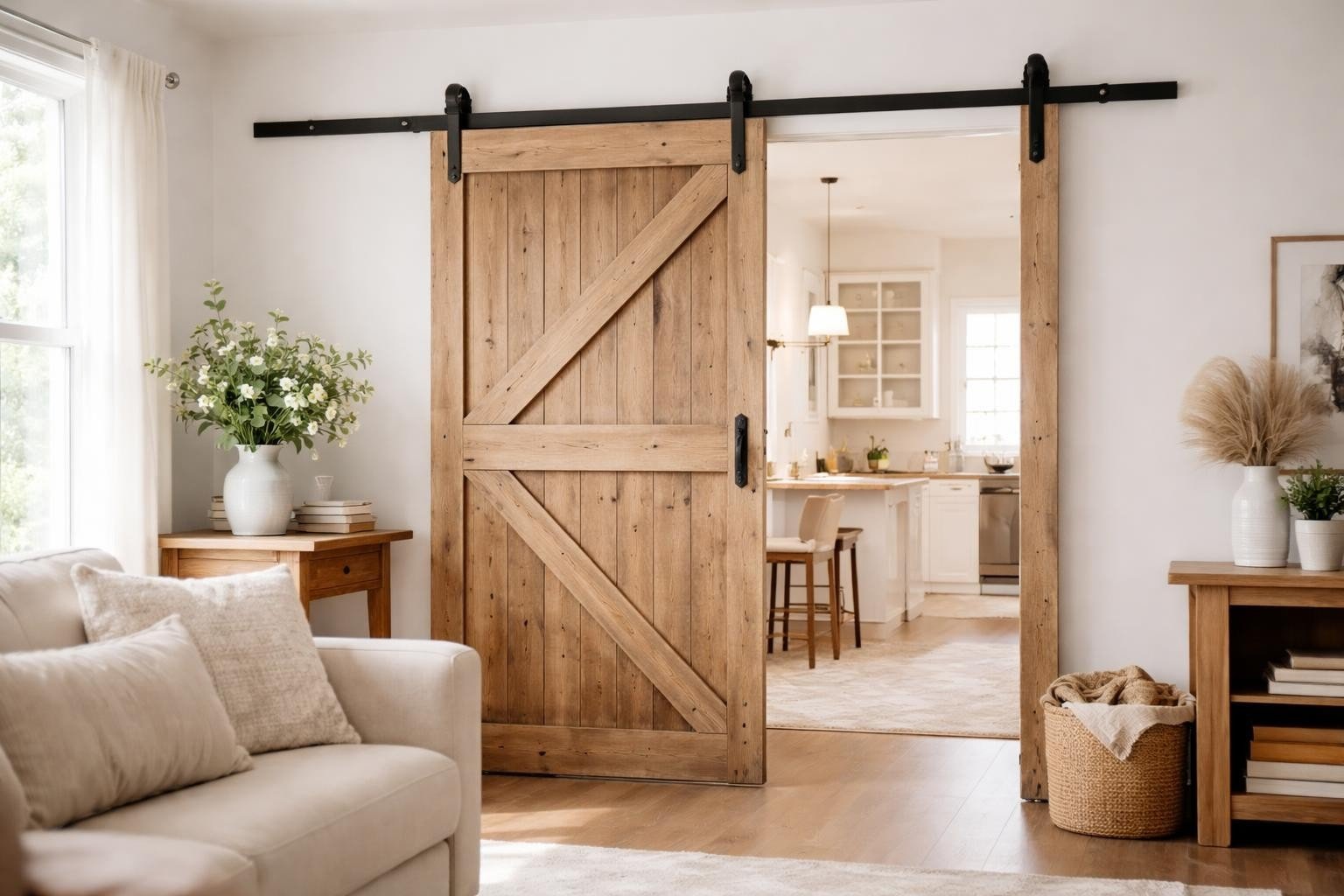
You've probably seen them everywhere-from farmhouse-inspired kitchens to sleek urban lofts. The sliding barn door has evolved from a purely functional agricultural fixture into one of the most versatile design elements in modern home renovation. Whether you're looking to save space, add character, or simply try something different from traditional hinged doors, this hardware solution offers surprising flexibility. Let me walk you through everything you need to know about making the right choice for your home.
Why the Sliding Barn Door Trend Isn't Going Anywhere
Remember when everyone thought barn doors were just a passing fad? That was nearly a decade ago, and they're still going strong in 2026. There's a good reason for their staying power.
Unlike trendy design elements that come and go, the sliding barn door solves real problems. In my neighbor's 1920s bungalow, she couldn't open her bathroom door without it hitting the vanity. A traditional swing door required a complete layout redesign, but a sliding solution let her keep everything exactly where it was. That's the kind of practical magic that keeps homeowners coming back to this option.
Space-Saving Benefits That Actually Matter
The math is simple but powerful. A standard hinged door requires roughly nine square feet of clearance to swing open. That's space you can't use for furniture, storage, or foot traffic. When you install a sliding barn door, you reclaim that entire area.
Here's what that means in real-world terms:
- Tight hallways: No more squeezing past a half-open door
- Small bathrooms: You can position towel racks and shelving closer to the doorway
- Closet access: Full opening width without dead space on either side
- Multi-functional rooms: Easier to divide and reconfigure spaces as needs change
One of my favorite implementations was in a friend's home office. She needed to separate her workspace from the living room during video calls, but a traditional door would have blocked her bookshelf. The sliding solution gave her privacy when needed and completely disappeared when she wanted an open floor plan.
Choosing the Right Hardware System for Your Project
This is where things get interesting. Not all sliding barn door hardware is created equal, and your choice will dramatically affect both appearance and performance.
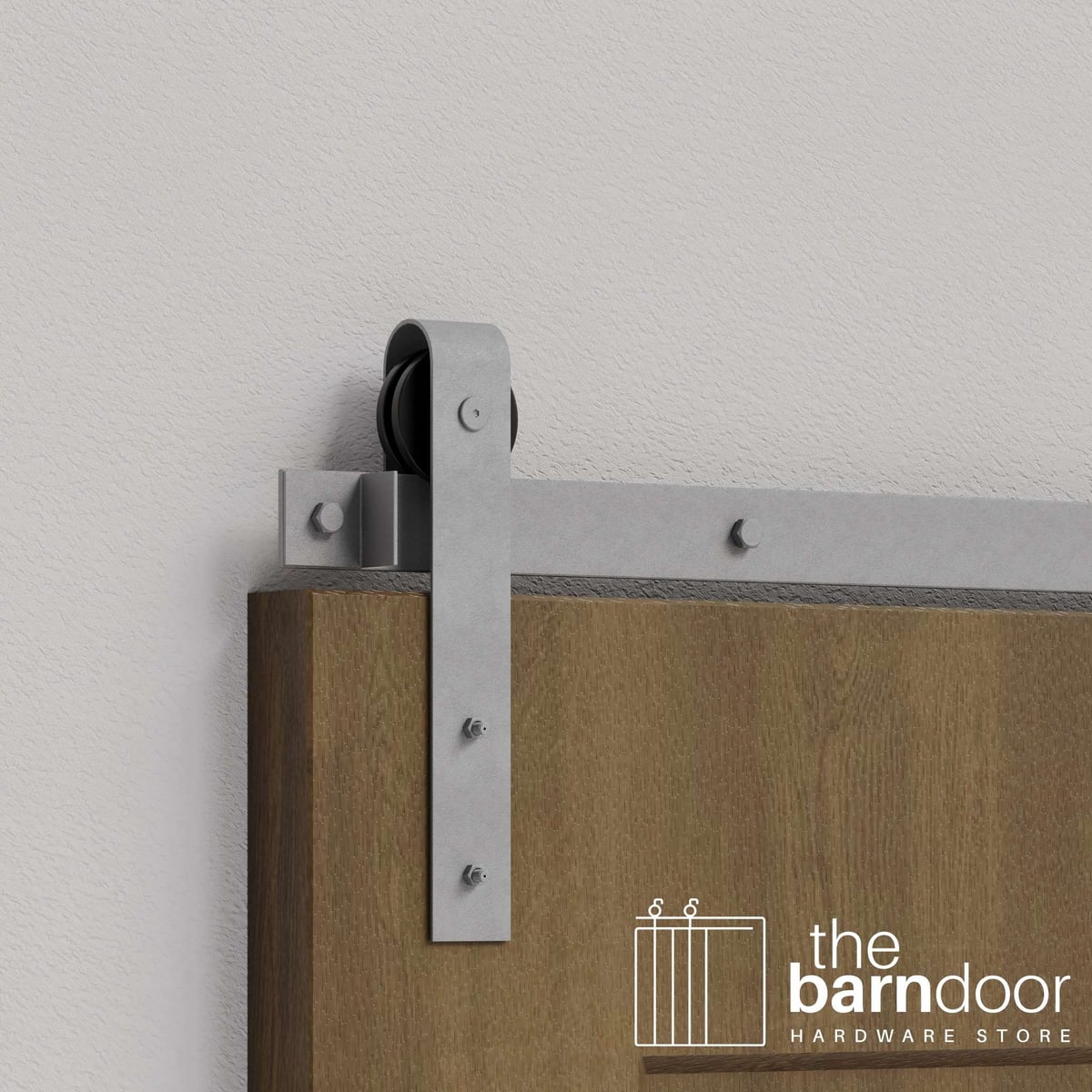
The Classic J-Strap Barn Door Hardware Kit represents the traditional style that started this whole movement. Its curved J-shaped rollers create that authentic farmhouse look while supporting doors up to 200 pounds. For a home I helped renovate last year, we chose this hardware specifically because the homeowner wanted visible, statement-making rollers that became part of the room's character rather than hiding in the background.
Hardware Styles and What They Mean for Your Design
| Hardware Style | Best For | Visual Impact | Weight Capacity |
|---|---|---|---|
| Classic J-Strap | Farmhouse, rustic, traditional | High (visible rollers) | Up to 200 lbs |
| Hidden Roller | Contemporary, minimalist | Low (concealed mechanism) | Varies by model |
| Industrial Track | Loft, urban, modern | Medium to high | Up to 300+ lbs |
| Bypass System | Double door openings | Medium | 150-200 lbs per door |
Understanding these differences helps you match hardware to your overall design vision. I've seen homeowners choose the wrong style and regret it-not because the hardware failed, but because it clashed with their aesthetic goals.
The key question to ask yourself: Do you want the hardware to be a design feature or disappear into the background? Your answer determines which direction to go. For modern barn door hardware installations, sleeker profiles and hidden mechanisms tend to work better. Traditional or farmhouse barn door hardware celebrates those visible elements.
Installation Considerations You Can't Ignore
Here's something most articles won't tell you: the wall behind your sliding barn door matters more than the door itself. I learned this the hard way when helping my brother install his first barn door. We had the perfect reclaimed wood panel, beautiful hardware, and high expectations. What we didn't have was proper wall support.
Wall Structure and Support Requirements
Your sliding barn door hardware needs to anchor into solid structure, not just drywall. This typically means:
- Locating wall studs and planning your track placement accordingly
- Installing backing boards if studs don't align with your desired track position
- Using appropriate fasteners rated for your door's weight plus a safety margin
- Checking for obstacles like electrical wiring or plumbing behind the wall
The Do it Best installation guide provides excellent detail on these structural considerations. Following their step-by-step approach saved us from a potential disaster when we discovered electrical wiring exactly where we planned to drill.
For most residential installations, you're looking at doors between 80-100 pounds. Factor in movement forces, and you need hardware and mounting that can handle 200 pounds or more. Don't cut corners here-a falling door isn't just embarrassing, it's dangerous.
Measuring and Clearance Planning
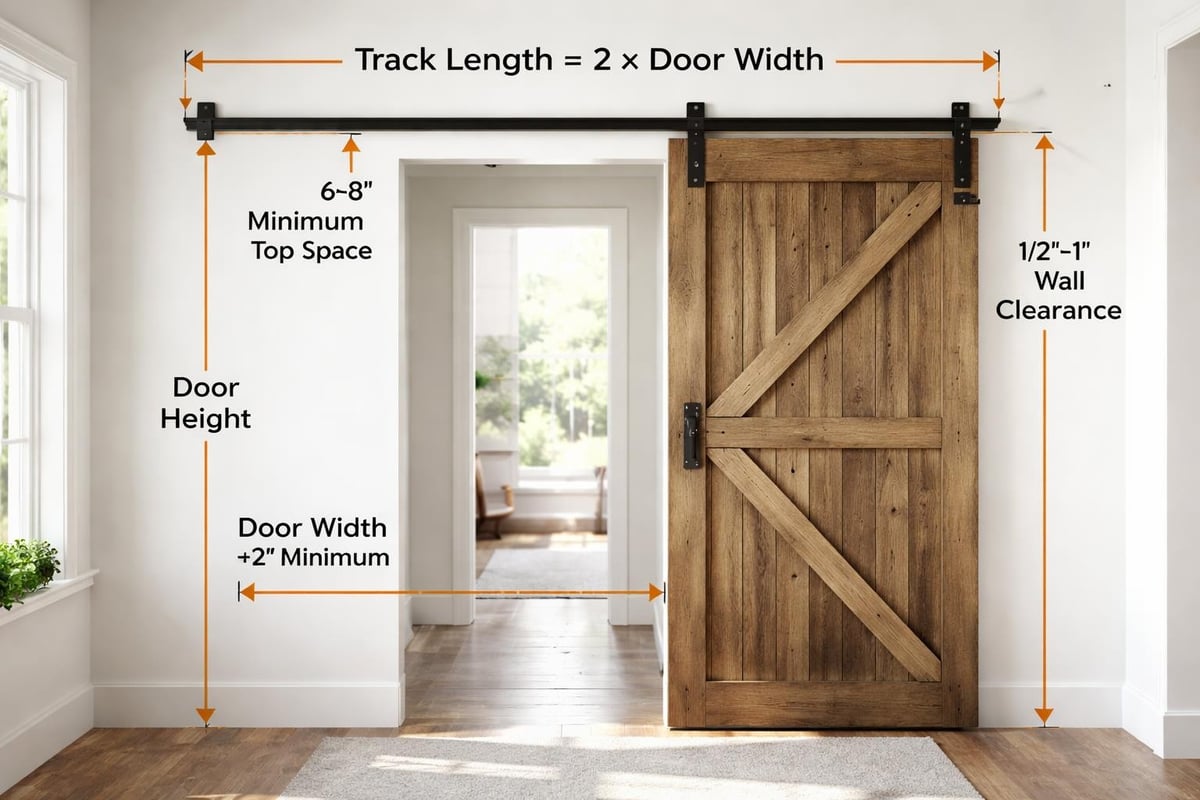
Getting measurements right the first time saves enormous headaches later. For a standard sliding barn door installation, you need:
- Door width: 2 inches wider than the opening on each side (minimum)
- Door height: 1 inch taller than the opening
- Wall space: At least the full door width beyond the opening edge
- Track length: Generally door width plus 4-6 inches
- Top clearance: Minimum 6 inches above the door frame for hardware
One homeowner I know measured her opening but forgot to account for baseboards and crown molding. Her door arrived, and suddenly she had a geometry problem. Measure twice, order once-especially since custom doors can't typically be returned.
Door Material and Style Choices
The hardware gets all the attention, but your door panel itself deserves careful consideration. This is the element everyone sees and touches daily.
I've installed sliding barn doors made from reclaimed barn wood, modern MDF with clean lines, and even repurposed vintage doors. Each material brings different characteristics to your space.
Popular Door Materials and Their Trade-Offs
Solid wood offers authentic character and substantial feel, but it's heavy and can expand or contract with humidity changes. A friend's solid oak door looks stunning, but she needed to adjust the rollers seasonally as the wood responded to humidity.
Engineered wood products like MDF or plywood provide stability at lower weight and cost. These work particularly well for painted finishes where you're not showcasing natural grain.
Reclaimed materials bring unique history and character, though you'll pay a premium and need to carefully inspect for structural integrity. The 100-year-old barnwood door in my kitchen has knots, nail holes, and weathering that tell a story-exactly what we wanted.
Metal and glass combinations suit contemporary spaces and allow light transmission. These typically require heavy-duty kits due to their weight.
Design Trends Shaping 2026
The sliding barn door concept continues evolving, and 2026 brings some interesting directions. According to Stary Home's trend analysis, we're seeing a strong push toward sustainable materials and oversized designs that maximize natural light.
What does this look like in practice?
Contemporary Interpretations
Modern designers are adapting the sliding barn door for urban settings. Indigo Doors notes that loft-style interiors now incorporate darker stains and minimalist hardware that align with industrial aesthetics. This isn't your grandmother's barn door anymore.
The minimalist movement has also influenced hardware choices. Where traditional installations celebrated visible, ornate rollers, many 2026 projects hide the mechanism entirely. This creates a floating door effect that feels sophisticated and uncluttered.
Color trends have shifted too. While natural wood finishes remain popular, we're seeing more:
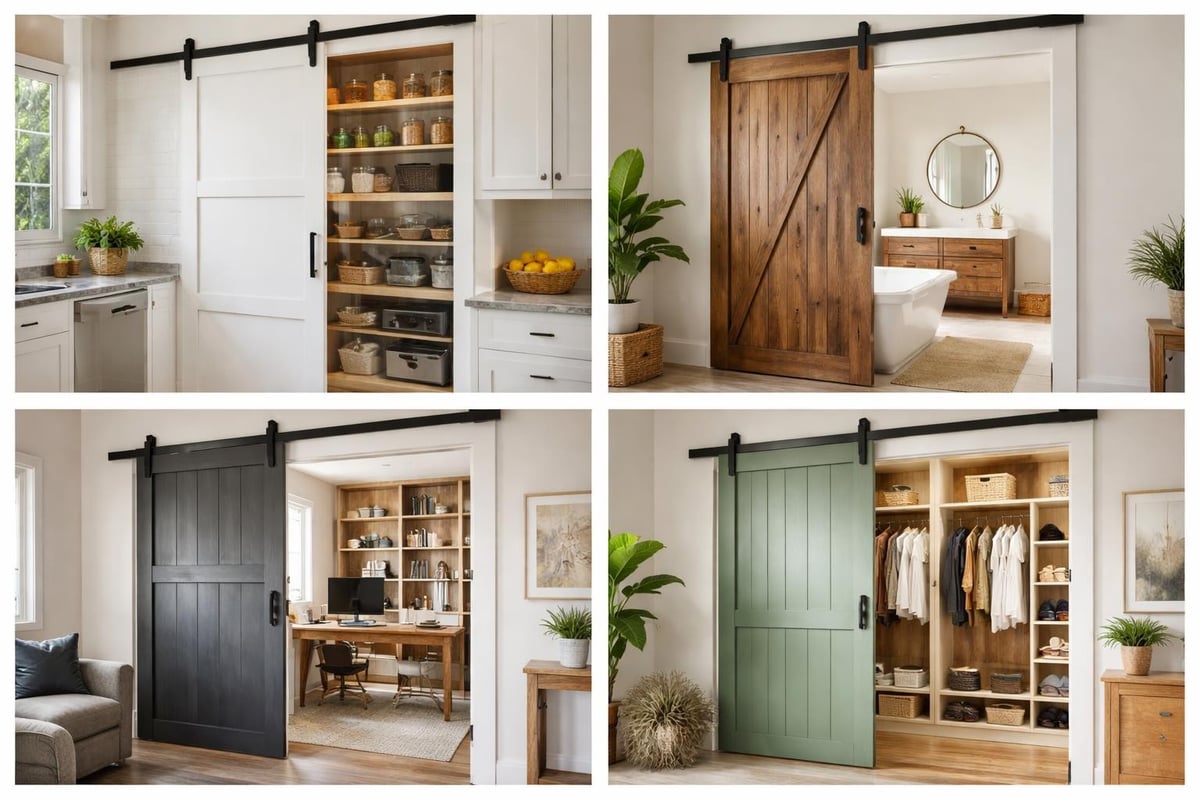
- Bold painted doors in deep blues, greens, and even blacks
- Two-tone treatments combining natural wood with painted frames
- Textured finishes that add depth without busy patterns
- Translucent materials like frosted or textured glass for privacy with light
Hardware Finish Evolution
The hardware you choose makes a visual statement. Traditional bronze and iron finishes still dominate farmhouse installations, but contemporary spaces increasingly feature:
- Matte black (still the runaway favorite in 2026)
- Brushed stainless steel
- Brass and gold tones making a comeback
- Powder-coated colors matching trim or accent walls
A designer I work with recently specified custom pink powder-coated hardware for a teenage girl's bedroom. The sliding barn door became a personalized design element rather than an off-the-shelf solution.
Functional Applications Beyond the Bedroom
Sure, sliding barn doors work great for bedroom privacy, but limiting them to that role misses their full potential. Let's explore unexpected applications that solve real problems.
Kitchen and Pantry Access
In open-concept homes, a sliding barn door can conceal a pantry while maintaining the flowing floor plan. My sister installed one to hide her combination pantry and laundry space. When she's entertaining, the door slides closed and guests see a beautiful wood surface instead of cleaning supplies and cereal boxes.
The key advantage here is the full-width access. Unlike a traditional door that partially blocks the opening when swung open, you can slide the door completely out of the way for loading groceries or carrying laundry baskets.
Bathroom Privacy Solutions
Small bathrooms benefit enormously from eliminating the swing radius. But there's another advantage: acoustic separation. A properly installed sliding barn door with good seals provides better sound dampening than many people expect.
That said, be realistic about privacy gaps. Most sliding barn door installations have small gaps around the edges since they don't close into a jamb like traditional doors. For bathrooms, you can add:
- Rubber seals along edges to minimize light and sound gaps
- Locks and latches designed specifically for barn door applications
- Soft-close mechanisms to prevent slamming
Home Office and Flex Space Division
This has become huge since 2020. The ability to quickly divide or open spaces matches how we actually use our homes now. A sliding barn door lets you create a professional background for video calls, then completely open the space when you're done working.
For one client's home office, we installed a bifold barn door kit that folded and slid along the wall. This gave them a wider opening than a single door would allow while still maintaining the space-saving benefits.
Maintenance and Longevity
Here's good news: a properly installed sliding barn door requires minimal maintenance. The moving parts are simple, accessible, and designed to last for decades.
Routine Care Requirements
Every few months, you should:
- Clean the track of dust and debris that can impede smooth rolling
- Check roller wheels for wear or debris buildup
- Tighten mounting hardware as vibration can loosen fasteners over time
- Lubricate moving parts with appropriate products (usually silicone-based sprays)
That's it. Compare that to traditional doors where you might deal with squeaky hinges, loose strike plates, or alignment issues requiring more complex adjustments.
The track itself rarely needs attention. Quality hardware uses solid steel or aluminum tracks that won't warp or bend under normal use. I've seen tracks from quality manufacturers like Goldberg Brothers still running perfectly smooth after fifteen years of daily use.
When to Upgrade or Replace Components
Most sliding barn door issues come down to user error during installation rather than hardware failure. But components can wear out:
Roller wheels might need replacement after 10-15 years of heavy use. This is inexpensive and straightforward-usually just removing the door and swapping out the roller assembly.
Track damage occasionally happens from impacts or improper installation. Replacement tracks are available, though you'll want to match your existing hardware system for proper fit.
Door warping affects solid wood panels in extreme humidity swings. This isn't a hardware issue but a material consideration. Engineered wood products resist this problem better.
Working With Professionals vs. DIY
Can you install a sliding barn door yourself? Absolutely. Should you? That depends on several factors.
I've guided countless DIY installations and hired professionals for others. Here's my honest assessment of when each approach makes sense.
DIY-Friendly Scenarios
You can probably handle installation yourself if:
- You're comfortable using basic power tools
- Your wall has accessible studs in reasonable locations
- The door weighs less than 100 pounds
- You have a helper for lifting and alignment
- You're not dealing with unusual wall materials or conditions
The Urban Woodcraft installation guide provides detailed instructions that make DIY installation manageable for moderately skilled homeowners. Following their systematic approach minimizes mistakes.
Budget about 3-5 hours for a straightforward installation. Double that if you're also building or finishing the door panel.
When to Call a Professional
Consider hiring help when:
- Your wall lacks studs where you need them (requiring backing board installation through the drywall)
- The door exceeds 150 pounds
- You're installing multiple doors or bypass systems
- The space has unusual constraints or complications
- You're not confident in your measurement and leveling abilities
Professional installation typically costs $200-$500 depending on complexity and your location. That's a reasonable investment to ensure proper performance and avoid expensive mistakes.
Hardware System Variations for Special Needs
Not every installation uses a simple single-door, single-track system. Understanding alternatives helps you match the solution to your specific situation.
Bypass and Double Track Systems
Need to cover a wide opening but don't have wall space for the door to slide fully to one side? Bypass door kits use two parallel tracks with doors that slide past each other. This gives you a sliding barn door solution in spaces where a single door wouldn't work.
The trade-off is you can only access half the opening at once. For closets, this rarely matters. For room dividers, plan accordingly.
Ceiling Mount Options
Standard barn door hardware mounts to the wall above the opening. But what if you're working with a glass wall, a window, or a space without adequate wall structure? Ceiling mount systems solve this by anchoring to ceiling joists instead.
I've used ceiling mount hardware for:
- All-glass office partitions where wall mounting wasn't possible
- Situations where architectural features prevented wall installation
- Aesthetic choices where the overhead track creates a specific look
Heavy-Duty Applications
Sometimes you need to move something substantially heavier than a typical interior door. Maybe it's a thick reclaimed wood panel, a steel door, or a particularly large opening requiring an oversized door.
Heavy-duty systems use larger rollers, thicker tracks, and reinforced mounting hardware. These can handle 300-500 pounds or more. The principles remain the same, but everything is engineered to handle greater loads without premature wear.
Exterior Applications and Weather Considerations
Most people think of sliding barn doors as interior solutions, but they work beautifully outside too. Actual barns have used this approach for centuries, after all.
Modern exterior applications include:
- Garage door alternatives
- Patio and deck access
- Outdoor storage and shed closures
- Privacy screens for outdoor living spaces
The Do it Best exterior installation guide covers the additional considerations for outdoor use. The key differences are weather resistance and hardware durability.
Exterior hardware needs:
- Stainless steel or weather-resistant coatings to prevent rust
- Sealed bearings in rollers to keep out moisture and debris
- UV-resistant finishes that won't degrade in sunlight
- Proper weatherstripping to minimize water infiltration
Your door material matters even more outside. Standard MDF won't survive, but marine-grade plywood, solid cedar, or steel panels handle weather exposure well.
Cost Considerations and Budgeting
Let's talk money. What does it actually cost to install a sliding barn door in 2026?
The answer varies wildly based on your choices, but here's a realistic breakdown:
| Component | Budget Range | Mid-Range | Premium |
|---|---|---|---|
| Hardware Kit | $150-300 | $300-600 | $600-1,200+ |
| Door Panel | $200-400 | $400-800 | $800-2,000+ |
| Installation (Pro) | $200-350 | $350-500 | $500-800+ |
| Accessories & Trim | $50-100 | $100-250 | $250-500+ |
| Total | $600-1,150 | $1,150-2,150 | $2,150-4,500+ |
These numbers assume a standard-sized single door installation. Larger doors, multiple doors, or specialty hardware increase costs accordingly.
Where to Invest Your Budget
If you need to prioritize spending, invest in quality hardware first. The difference between cheap and quality hardware isn't just longevity-it's daily user experience. Smooth, quiet operation versus rattling and sticking affects your satisfaction every single day.
The door itself can range from affordable to astronomical. A basic painted MDF door works perfectly well functionally. Spending more gets you aesthetics and character-reclaimed wood, custom designs, specialty finishes-but the door doesn't need to be expensive to work well.
Troubleshooting Common Issues
Even well-installed sliding barn doors occasionally need adjustment. Here are the problems I see most often and their solutions.
Door Won't Slide Smoothly
Check these in order:
- Track debris: Clean out any dust, dirt, or objects in the track
- Roller alignment: Ensure rollers sit properly in the track
- Door weight distribution: Verify the door hangs level and isn't binding
- Lubrication: Apply silicone spray to rollers and track
Usually, it's number one. A small pebble or hardened paint chip can make sliding difficult.
Door Swings Away From Wall
This common problem has two typical causes. Either your floor guide isn't installed or isn't adjusted properly, or the door isn't hanging plumb.
Floor guides aren't always necessary, but they prevent the bottom of the door from swinging out when you push or pull at an angle. They're especially important for tall doors or in homes with active kids.
Gaps and Light Leaks
Remember, sliding barn doors aren't designed to seal like traditional doors. Some gap is normal and necessary for operation. If it bothers you aesthetically, you can add brush seals or rubber weatherstripping along the edges.
For privacy concerns, consider the door positioning. Installing the track so the door overlaps the opening by several inches on each side minimizes sight lines even with gaps.
Customization and Personalization Options
One of my favorite aspects of working with sliding barn doors is how customizable they are. You're not limited to stock sizes or standard designs.
Custom Door Panel Designs
Your door panel can be:
- Built from scratch to your specifications
- Modified from stock designs with added details
- Painted or stained in any color imaginable
- Fitted with decorative hardware like barn door handles that complement your style
I recently saw a custom door featuring the homeowner's family crest carved into reclaimed oak. It became a genuine heirloom piece, not just a door.
Hardware Customization
Beyond choosing finish colors, you can customize:
- Track length to fit non-standard openings
- Roller styles to match different aesthetics
- Mounting height for unusual ceiling situations
- Accessories like stops, locks, and soft-close mechanisms
The door hardware for sliding doors selection available today far exceeds what was possible even five years ago. You're not locked into one-size-fits-all solutions.
Whether you're renovating a farmhouse or updating a city condo, the sliding barn door offers a compelling combination of style, function, and space efficiency. The key is matching your hardware choice to your specific needs, taking time with proper installation, and selecting a door panel that truly reflects your aesthetic vision. For quality hardware that's built to last, expert guidance through the selection process, and products backed by a limited lifetime warranty, The Barn Door Hardware Store has helped homeowners create beautiful, functional spaces since 2016-with free shipping across the continental US and the support you need for a successful installation.
