


Sliding Barn Door for Barn Guide: Style & Installation 2026
Have you ever wondered how barns are getting a modern makeover while staying tough and practical? Sliding barn doors are at the heart of this transformation, blending classic charm with smart new features.
If you’re searching for the perfect sliding barn door for barn upgrades in 2026, you’re in the right place. This guide will walk you through today’s top styles, materials, and step-by-step installation tips.
We’ll cover everything from trending barn door designs to easy maintenance and future innovations. Ready to see how a simple upgrade can make your barn look and work better than ever? Let’s dive in.
The Evolution of Sliding Barn Doors in Barn Design
Sliding barn door for barn setups have a fascinating story that stretches back over a century. What began as a practical solution for busy agricultural spaces has become a style statement in modern barn architecture. Have you ever wondered why this shift happened, and what makes these doors so popular today? Let’s explore the journey, the benefits, and how these doors are used in barns right now.

Historical Overview and Modern Resurgence
The sliding barn door for barn design first appeared in agricultural settings where space was at a premium. Farmers needed an easy way to move large equipment and animals through tight areas, so sliding mechanisms offered a practical fix. For decades, these doors were purely functional, crafted from local wood and simple iron tracks.
Over time, the sliding barn door for barn spaces began to evolve. By the early 21st century, designers and builders drew inspiration from industrial and farmhouse trends, transforming the sliding barn door for barn use into a bold design feature. In 2026, the look is more popular than ever, blending rustic charm with modern minimalism.
Did you know that in recent years, adoption rates for sliding barn door for barn renovations have soared? Historic farms are updating 100+ year-old barns with sleek, durable sliding systems. If you’re curious about the latest design preferences and hardware innovations, you can check out Sliding Barn Door Trends 2025 for a preview of what’s driving this resurgence.
Advantages of Sliding Barn Doors Over Traditional Hinged Doors
Why choose a sliding barn door for barn environments over a classic hinged door? The benefits are hard to ignore, especially in busy agricultural settings:
- Space-saving: Sliding doors don’t swing out, so you maximize every inch in narrow barn aisles.
- Safety: Animals, especially horses, are less likely to get caught or injured compared to swinging doors.
- Durability: Sliding barn door for barn use is built to handle heavy traffic and tough conditions.
- Weather resistance: Modern doors offer better insulation and protection from the elements.
- Ease of use: With smooth tracks and modern hardware, anyone can operate them—regardless of age or ability.
These features make the sliding barn door for barn life both practical and accessible, whether you’re managing livestock or storing equipment.
Popular Applications in Today’s Barns
The versatility of a sliding barn door for barn layouts means you’ll find them in all kinds of spaces. They’re used as main entryways, stall fronts, feed room doors, and tack room dividers. Some barns even integrate sliding systems with automated openers for hands-free access.
Customization is another big win. You can tailor a sliding barn door for barn spaces with different finishes, colors, and hardware to match unique layouts. Whether you’re working with a brand-new build or retrofitting a historic structure, there’s a solution to fit your needs.
Today, barns large and small are embracing these doors as both a functional upgrade and a design centerpiece. The options for integrating a sliding barn door for barn use keep expanding, making them a smart investment for any modern agricultural space.
Sliding Barn Door Styles and Materials for 2026
Looking to update your barn with a fresh, functional look? The right sliding barn door for barn use does more than just save space — it brings personality and performance to your agricultural space. In 2026, the world of barn doors is bursting with new styles, innovative materials, and ways to create a door that fits your barn perfectly.
Trending Styles for Barns
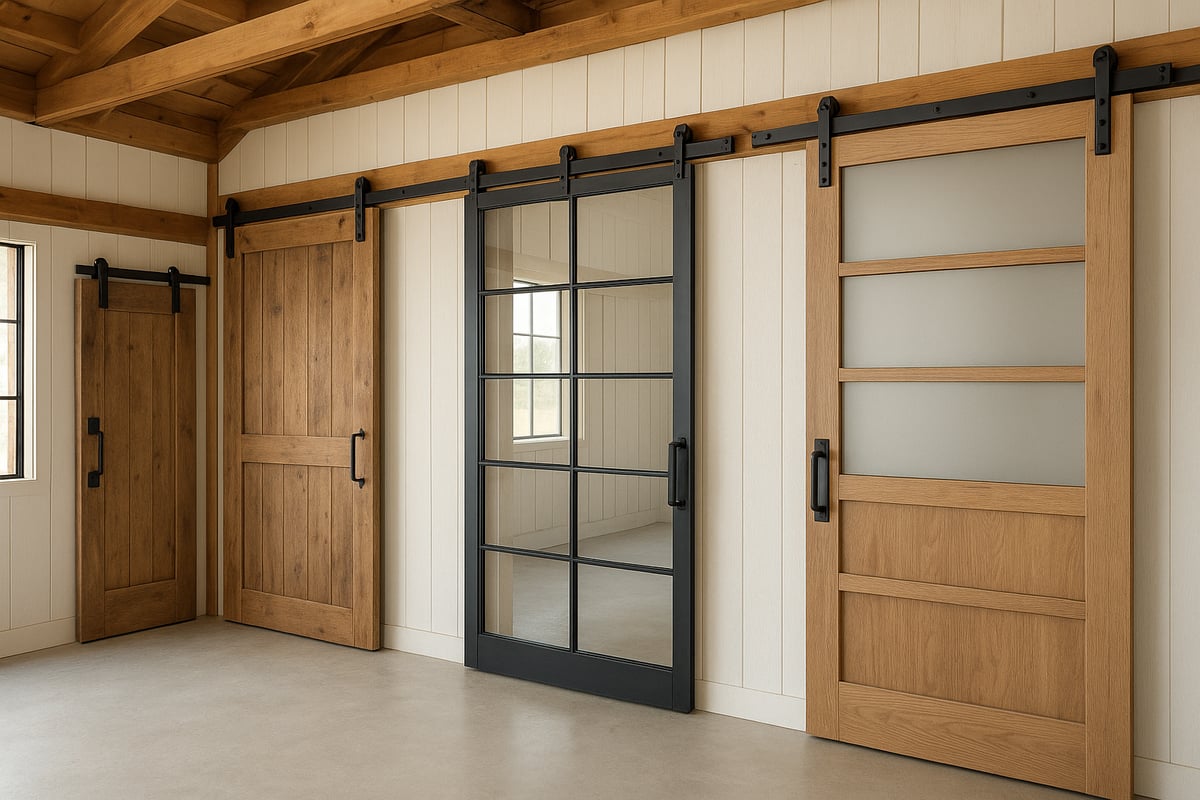
When it comes to picking a sliding barn door for barn spaces, 2026 is all about blending tradition with fresh aesthetics. Classic rustic doors, featuring weathered wood and crossbuck patterns, remain a favorite for those who love a timeless vibe. But if you want something sleeker, modern minimalist doors with clean lines and matte black finishes are making a big splash.
Industrial chic is also on the rise. Think steel frames, bold colors, and even glass panels for a mix of light and privacy. Hybrid styles let you combine elements, like Dutch door functionality with contemporary hardware. Some modern barns now use frosted glass inserts, letting sunlight in while keeping the space private.
Color trends are shifting, too. Natural wood grains, deep charcoals, and vibrant, statement hues are everywhere. No matter your barn’s personality, there’s a sliding barn door for barn owners who want style and function in equal measure.
Material Choices: Pros, Cons, and Best Uses
Choosing the right material for your sliding barn door for barn applications can feel overwhelming, but a quick comparison makes things simpler:
| Material | Pros | Cons | Best Use Cases |
|---|---|---|---|
| Solid Wood | Classic look, customizable, sturdy | Needs upkeep, can warp | Heritage barns, warmth |
| Steel/Aluminum | Super durable, secure, low maintenance | Can dent, industrial look | Commercial, modern barns |
| Composites | Affordable, weatherproof, low upkeep | Less traditional feel | High-traffic, new builds |
Solid wood doors are perfect for a traditional sliding barn door for barn, especially if you want a custom finish or unique species. Just remember, wood needs regular sealing to combat the elements.
Steel and aluminum are your go-tos for security and resilience. In high-traffic commercial barns, steel-framed doors last for years with minimal fuss. Composites and engineered materials are gaining traction in 2026, thanks to their resistance to warping and easy cleaning. Recent data shows a clear shift towards these low-maintenance options, especially for new construction.
Hardware and Accessory Innovations
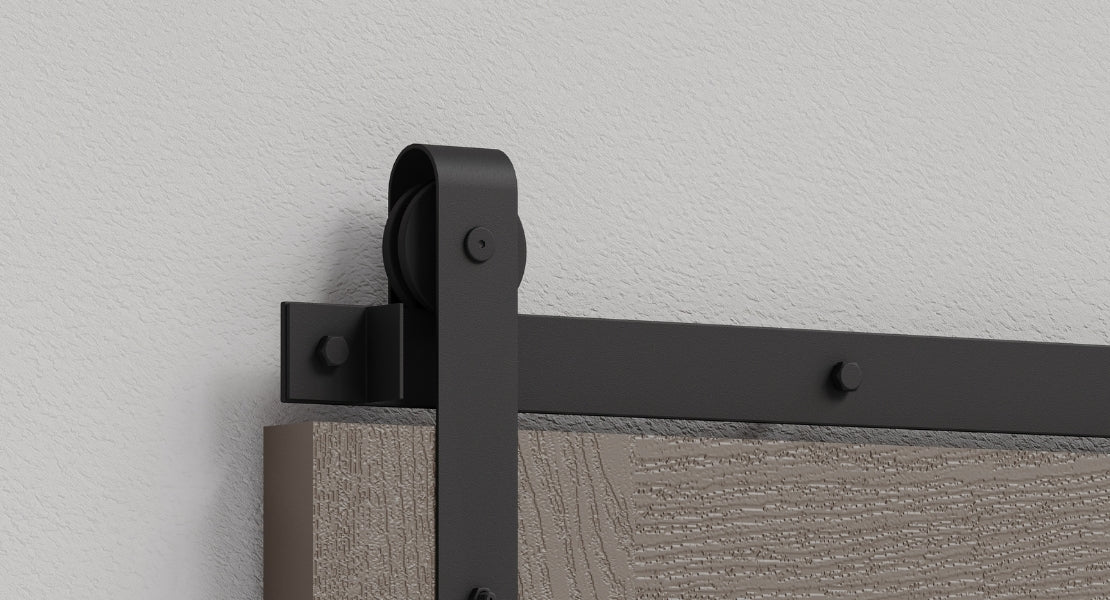
The hardware you pick can make or break your sliding barn door for barn experience. In 2026, you’ll find heavy-duty tracks designed for smooth, quiet movement. Soft-close systems are a must-have, keeping doors from slamming and reducing noise around animals.
Anti-jump features are now standard, ensuring the door stays on track even with heavy use. Handles, pulls, and locks come in a variety of finishes, so you can match your door’s style exactly. Color-matched hardware is big this year, along with custom-finish options for a truly seamless look.
Don’t forget about the little extras: floor guides, stoppers, and upgraded rollers all make your sliding barn door for barn safer and easier to use. With the right hardware, you’ll enjoy reliability and peace of mind every day.
Customization and Sizing for Every Barn
No two barns are the same, so getting a sliding barn door for barn spaces to fit just right takes some planning. Start by measuring the width, height, and clearance needed for your opening. If your barn has uneven floors or old, non-standard walls, don’t worry—there are adaptive solutions out there.
Custom-sized doors can be built to suit any layout. For historic barns, installers often use adjustable hardware or custom tracks to accommodate quirky openings. Looking for more ideas? Check out sliding barn door styles for small barns for inspiration on how to make the most of limited space or tricky layouts.
Remember, the right sliding barn door for barn use doesn’t just fit—it enhances the flow and function of your entire barn. With so many materials, finishes, and sizing options available, finding your perfect match is easier than ever.
Step-by-Step Sliding Barn Door Installation Guide
Ready to give your barn a modern upgrade? Installing a sliding barn door for barn spaces is a project you can absolutely tackle. This step-by-step guide breaks everything down, so you can follow along whether you’re a seasoned DIYer or just starting out. Let’s walk through the installation process together.

Planning and Preparation
Before you start installing a sliding barn door for barn use, take a good look at your barn’s structure. Where do you want the door to go? Is there enough space for the door to slide open fully? Measure the width and height of the opening, and don’t forget to check for any obstructions like beams or light switches.
Next, choose the right sliding barn door for barn environments. Think about the material—wood, steel, or composite—and pick a style that matches your barn’s vibe. Select a hardware kit that’s rated for your door’s weight and barn’s climate.
Gather your tools: a drill, level, measuring tape, wrenches, safety glasses, and a sturdy ladder. Double-check that the wall is level and plumb. If your barn floor is uneven, plan for shims or adjustable hardware. Taking time with this prep ensures your sliding barn door for barn installs smoothly and stands the test of time.
Installing the Track System
Now it’s time for the backbone of your sliding barn door for barn setup—the track system. Mark the mounting points above your door opening, using a level to keep things straight. Drill pilot holes into your barn wall, making sure you’re hitting solid wood or using anchors for masonry or metal.
Secure the track with heavy-duty lag bolts. If you’re working with a particularly long or heavy door, use additional supports at each stud or structural post. Align the track so your sliding barn door for barn will move effortlessly.
Choosing the right track kit is crucial. For more detailed guidance on selecting and installing the perfect track, check out this helpful resource on Barn sliding door track kits. With the track installed, test its stability—give it a gentle tug to make sure it won’t budge under the weight of your new door.
Hanging the Door Panel
With your track ready, it’s time to hang the sliding barn door for barn entrances. Attach the hangers and rollers to the top of your door panel, using the hardware kit instructions as your guide. Double-check the spacing so the door sits evenly and clears the floor by about half an inch.
Lift the door—this might be a two-person job, especially for larger sliding barn door for barn panels—and carefully set the rollers onto the track. Slide the door back and forth to ensure smooth movement. If you notice any sticking or uneven gaps, adjust the hangers or add shims where needed.
Take a moment to step back and admire your progress. Seeing the sliding barn door for barn in place is always satisfying and a real milestone in your barn upgrade.
Adding Accessories and Final Adjustments
Time to finish strong. Install floor guides at the base to keep your sliding barn door for barn steady and prevent it from swinging. Attach stoppers at each end of the track to prevent the door from rolling off.
Now add handles, pulls, and any locks for extra security or convenience. Choose hardware that complements your barn’s style—matte black, stainless steel, or rustic bronze are all popular options for a sliding barn door for barn.
Test everything: open and close the door several times, checking for smooth operation and tight hardware. Make any final tweaks to the alignment. These finishing touches make daily use of your sliding barn door for barn a breeze.
Troubleshooting Common Installation Issues
Even with careful planning, challenges can pop up when installing a sliding barn door for barn spaces. If the door is misaligned, recheck your measurements and adjust the track or hangers. Sticking doors often mean the track isn’t perfectly level, so use your level to fine-tune the setup.
For uneven gaps, add shims or reposition the hangers. If your sliding barn door for barn sags or makes noise, lubricate the rollers and check for loose bolts. Retrofitting an older barn? Flexible hardware solutions can help you adapt to non-standard openings.
Remember, patience pays off. Each adjustment brings you closer to a flawless sliding barn door for barn installation that’s both stylish and functional.
Maintenance and Care for Sliding Barn Doors
Keeping your sliding barn door for barn in top shape is easier than you might think. A little regular maintenance goes a long way toward smooth operation and lasting good looks. Whether your barn is new or a century old, these practical tips will help you avoid headaches and keep everything running smoothly year-round.

Routine Cleaning and Inspection
Routine care is the secret to a reliable sliding barn door for barn. Start by dusting the track and rollers weekly with a soft brush or microfiber cloth. This prevents debris from building up and keeps the door gliding effortlessly.
When it comes to cleaning, use mild soap and water for wood doors, and a gentle all-purpose cleaner for metal or composite panels. Avoid harsh chemicals, which can damage finishes or corrode metal.
Inspect your hardware, including handles, guides, and stoppers, at least once a season. Look for loose screws, worn rollers, or any signs of rust. Pay special attention to the wall guide, which keeps your door on track. For more detail on keeping guides in shape, check out wall guide solutions for barn doors.
Seasonal changes can affect your sliding barn door for barn. Once every few months, check for swelling or warping in wood, and make sure all moving parts are free from dirt and moisture.
Quick Inspection Checklist:
| Task | Frequency | Notes |
|---|---|---|
| Dust track/rollers | Weekly | Use soft brush or cloth |
| Clean door surface | Monthly | Mild soap for wood |
| Check hardware | Seasonally | Tighten screws, inspect rust |
| Inspect guides | Seasonally | Look for alignment issues |
Preventing and Addressing Common Issues
Even the best sliding barn door for barn needs a little TLC to prevent problems. Lubricate the rollers and track with a silicone-based spray every few months, especially in high-traffic barns. This keeps movement smooth and reduces wear.
Rust and corrosion can sneak up on metal parts, especially in humid climates. Wipe down exposed metal with a damp cloth, then dry thoroughly. For wood doors, watch for signs of swelling, warping, or moisture damage. If you spot any, allow the door to dry completely before applying a sealant or wood treatment.
Sometimes, you may notice sticking or uneven movement. This is often caused by dirt in the track or misaligned hardware. Clear any obstructions and realign the hardware as needed. If you hear squeaks or grinding, add a bit more lubricant and check for loose bolts.
Keeping your sliding barn door for barn in good repair is much easier when you catch small issues early.
Extending the Lifespan of Your Sliding Barn Door
Want your sliding barn door for barn to last for decades? Protective finishes are key. For wood doors, apply a weatherproof sealant at least once a year, especially if the door is exposed to the elements. Metal doors benefit from rust-resistant coatings and regular touch-ups.
Upgrading to heavy-duty hardware can also extend the life of your door. If you notice sagging or increased noise, consider replacing worn rollers or tracks with higher-quality options.
Data shows that with routine maintenance, a sliding barn door for barn can easily last 15 to 25 years or more. The secret is consistency. By sticking to a simple schedule, you’ll enjoy smooth, quiet operation and a beautiful barn entrance for years to come.
Safety, Security, and Weatherproofing Considerations
Keeping your barn safe, secure, and protected from the elements is essential, especially when choosing a sliding barn door for barn upgrades. Let’s break down how you can cover all the bases, from animal safety to weatherproofing, so your barn stands up to daily use and changing seasons.
Ensuring Animal and Human Safety
When you install a sliding barn door for barn spaces, you want to make sure everyone—animals and people—stays safe. Modern sliding systems offer anti-jump tracks that keep the door securely on its rail, even if curious animals nudge or push it. Soft-close features are a game-changer, slowing the door before it reaches the end, which helps prevent pinched fingers or startled livestock.
In high-traffic barns, these safety upgrades are especially important. For example, an equestrian facility recently retrofitted all stall fronts with soft-close sliding barn doors to reduce accidents and keep both horses and handlers safer. Always check for smooth edges, sturdy handles, and visible locking mechanisms to minimize hazards.
Regularly inspect all hardware and teach staff or family members the safest way to operate the doors. Simple habits, like never leaving the door partially open in a busy aisle, can go a long way in keeping everyone safe.
Enhancing Barn Security
Security is a top priority when considering a sliding barn door for barn environments. Today’s designs offer a range of locking options, from basic hasps to integrated key locks. Reinforced steel or aluminum doors add another layer of protection, making break-ins much harder.
If you store valuable equipment or feed, look for doors that accommodate heavy-duty locks and consider upgrading to smart locks or keypad systems. Many modern barns are integrating their sliding barn doors with security cameras and alarms for added peace of mind.
For more detailed tips on selecting robust hardware and lock solutions, check out this guide on barn door hardware and installation. Investing in the right security features not only protects your property but also gives you confidence whether you’re on-site or away.
Weatherproofing and Insulation
A sliding barn door for barn use needs to stand up to wind, rain, and temperature swings. Start by sealing any gaps around the door frame and adding high-quality weatherstripping. This keeps out drafts, dust, and moisture, helping maintain a comfortable environment for animals and equipment.
Insulated sliding doors are a smart choice for climate control, especially in regions with harsh winters or blazing summers. They help keep the barn warmer in winter and cooler in summer, which can cut down on energy costs. Studies show barns with insulated sliding barn doors can reduce heating and cooling expenses by up to 20 percent.
Regular maintenance is key—inspect seals and weatherstripping seasonally and reapply as needed. With the right care, your sliding barn door for barn spaces will stay strong, secure, and weather-tight for years to come.
Future Trends: Innovations in Sliding Barn Doors for 2026 and Beyond
Change is happening fast in the world of barns, and if you have your eye on a sliding barn door for barn upgrades, the future looks bright. Let’s dive into the groundbreaking trends that are shaping how barns look and function in 2026 and beyond.
Smart Barn Door Technology
Imagine opening your sliding barn door for barn chores with just a tap or a voice command. In 2026, automated door systems are becoming the new standard for busy barn owners. These smart doors can be programmed to open on a schedule, respond to barn management apps, or even work with voice assistants.
Remote-controlled options are gaining popularity, especially for large operations where efficiency is key. You no longer need to drop your tools or lead ropes to slide open a heavy door. Instead, you can control access for deliveries or livestock at the push of a button.
Many systems now come with sensors and safety stops to protect people and animals. With these innovations, your sliding barn door for barn use is not just convenient, it’s smarter than ever.
Sustainable Materials and Eco-Friendly Practices
Sustainability is a top priority for barn owners in 2026. Choosing a sliding barn door for barn projects now means considering materials that are as eco-friendly as they are beautiful. Reclaimed wood and recycled metal are top choices, offering unique character and reducing environmental impact.
Low-VOC finishes and green manufacturing processes are also trending, helping you create a healthier space for both people and animals. Here’s a quick comparison:
| Material | Eco Benefit | Maintenance |
|---|---|---|
| Reclaimed Wood | Reduces waste | Moderate |
| Recycled Metal | Saves resources | Low |
| Low-VOC Finish | Improves air quality | Low |
With a growing demand for sustainable barn building materials, the market for sliding barn door for barn solutions continues to expand, giving you more options than ever.
Design Forecasts: What’s Next?
Looking ahead, expect the sliding barn door for barn market to keep evolving in style and function. New color palettes are emerging, from earthy greens to bold blues, while modular systems allow you to customize doors for any space or need.
Multi-functional doors—think Dutch door combinations or integrated storage—are gaining traction. Experts predict that flexibility and personalization will drive the next decade of barn design. If you want more inspiration on what’s trending, check out the latest Interior Doors Trends 2026 for a broader look at what’s hot in the world of doors.
With so many exciting changes, your barn can stay ahead of the curve while reflecting your unique style.
So if you’re feeling inspired to upgrade your barn with a sliding barn door that’s both stylish and practical, you’re not alone—there’s a real movement toward combining modern design with everyday function. But I get it, picking the right hardware can feel overwhelming with so many options out there. That’s where expert support really makes a difference. If you want reliable advice, tons of choices, and the peace of mind that comes with a lifetime warranty and free shipping, I’d definitely recommend checking out The Barn Door Hardware Store. They make the whole process easy, whether you’re renovating or starting fresh!
