
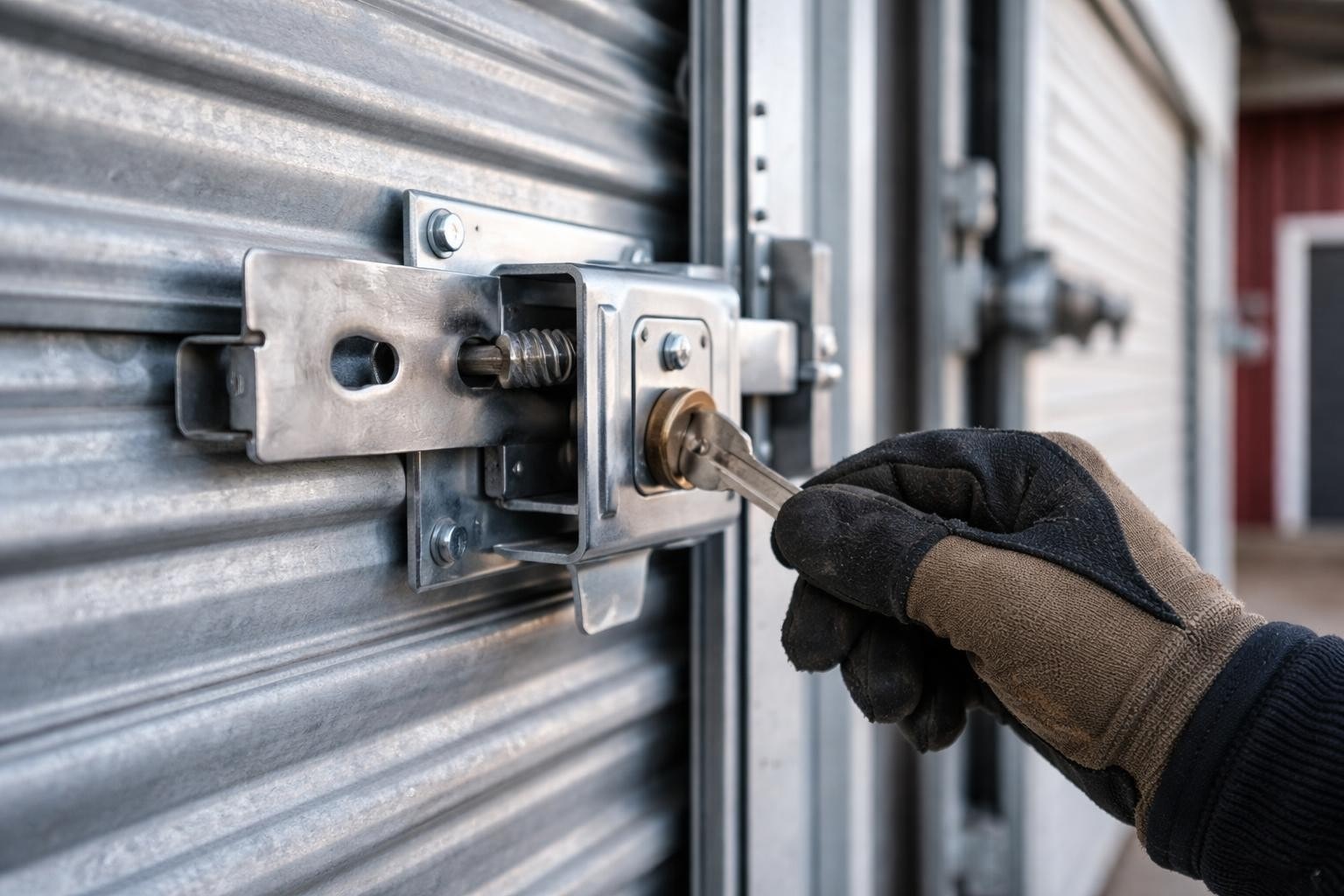
When you're securing a space with rolling doors, whether it's a barn, garage, commercial warehouse, or even a sliding barn door in your home, choosing the right lock makes all the difference. Rolling door locks aren't just about keeping things closed-they're about protecting your property, securing valuable equipment, and giving you peace of mind. But with so many options available, how do you know which type fits your specific needs? Let's dive into everything you need to know about securing your rolling doors properly.
What Are Rolling Door Locks and Why Do They Matter?
Rolling door locks are specialized locking mechanisms designed specifically for doors that slide, roll, or move along a track rather than swing open on hinges. You'll find them on everything from barn doors and garage doors to commercial roll-up doors and storage units.
The main difference between rolling door locks and traditional locks comes down to how they engage with the door mechanism. While a standard door lock secures a door within a fixed frame, rolling door locks need to account for movement along a track. They must lock the door in place while also withstanding the unique stresses that come with sliding or rolling motion.
Security is the obvious benefit, but these locks also prevent accidental opening, keep doors aligned properly, and can even reduce wear on your door hardware over time.
Types of Rolling Door Locks You Should Know About
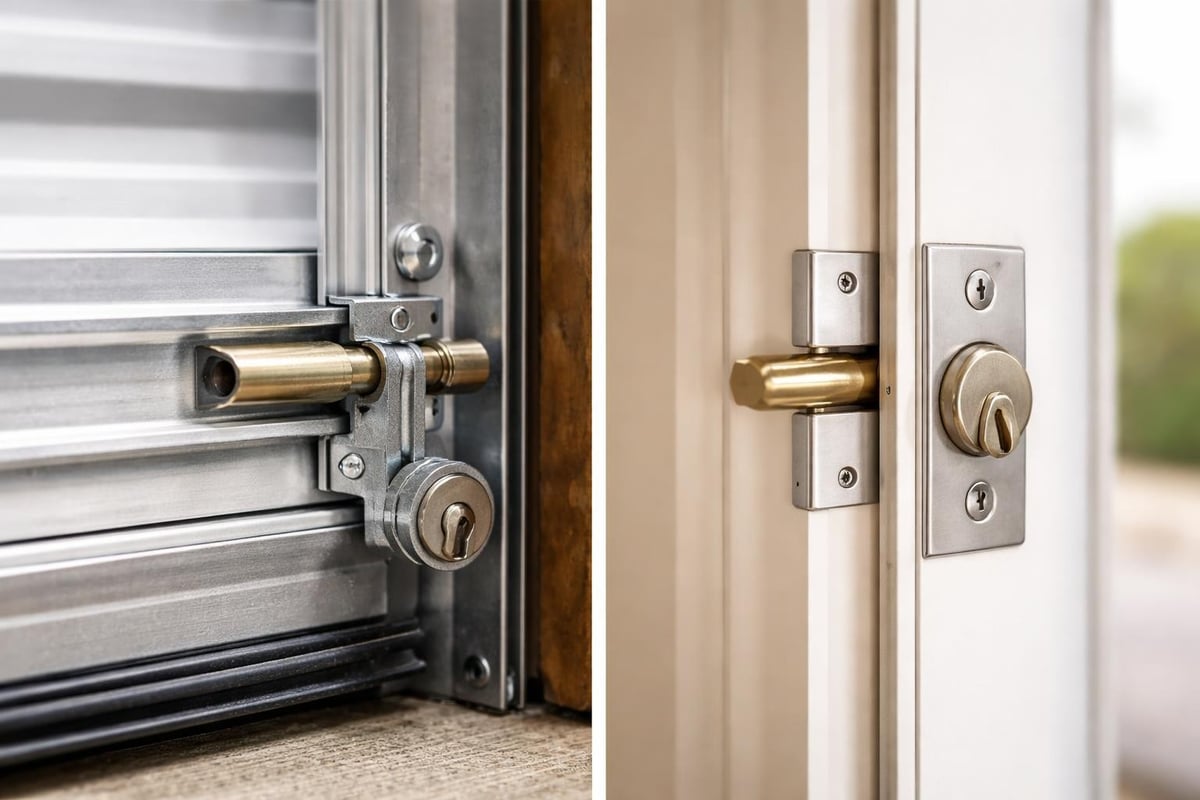
Not all rolling door locks work the same way. Understanding the various types of rolling door locks helps you match the right security solution to your specific door and situation.
Padlock-Style Locks
The simplest option, padlock-style locks work with a hasp or locking bar attached to your rolling door. You just slide the hasp into place and secure it with a padlock.
Advantages:
- Easy to install
- Affordable
- Replaceable without door modifications
- Highly visible deterrent
Drawbacks:
- Can be cut with bolt cutters
- Exposed to weather
- Requires carrying a key or remembering a combination
Cylinder Locks
Cylinder locks integrate directly into the door mechanism, offering a cleaner look and better protection than external padlocks. These locks use a key-operated cylinder that engages a bolt or pin into the door track or frame.
You'll often see these on commercial roll-up doors and high-end residential applications. They're more secure than padlocks because the locking mechanism is protected within the door structure itself.
Center Locks for Rolling Doors
Center locks represent a more sophisticated approach. The key differences between regular locks and rolling door center locks relate to placement and engagement points.
These locks mount in the center of the door and engage with the track or floor when activated. They're particularly popular on commercial and industrial rolling doors where security is paramount.
| Lock Type | Security Level | Installation Complexity | Best For |
|---|---|---|---|
| Padlock | Basic to Moderate | Easy | Barns, sheds, basic security |
| Cylinder Lock | Moderate to High | Moderate | Residential garages, upgraded security |
| Center Lock | High | Complex | Commercial spaces, high-value storage |
| Electronic Lock | Very High | Complex | Automated systems, access control |
Electronic and Smart Rolling Door Locks
Modern technology has brought electronic options into the rolling door lock market. These systems can include keypads, card readers, fingerprint scanners, or even smartphone connectivity.
Benefits include:
- No keys to lose
- Remote access control
- Activity logging
- Integration with security systems
- Temporary access codes for visitors
The downside? They require power and can fail during outages unless they have battery backup.
Barn Door Lock Considerations for Interior Sliding Doors
If you're installing barn doors inside your home, you're probably thinking about rolling door locks from a privacy and style perspective rather than heavy-duty security. The good news is that interior barn door locks have come a long way.
Privacy latches are the most common choice for interior barn doors. These simple mechanisms let you lock the door from inside a bathroom, bedroom, or office without requiring a key. They're easy to install and don't interfere with the door's sliding motion.
For areas where you want to keep the door secured but don't need privacy locking, consider options from our comprehensive barn door locks and latches collection. These include soft-close mechanisms, door guides, and latching systems designed specifically for sliding barn doors.
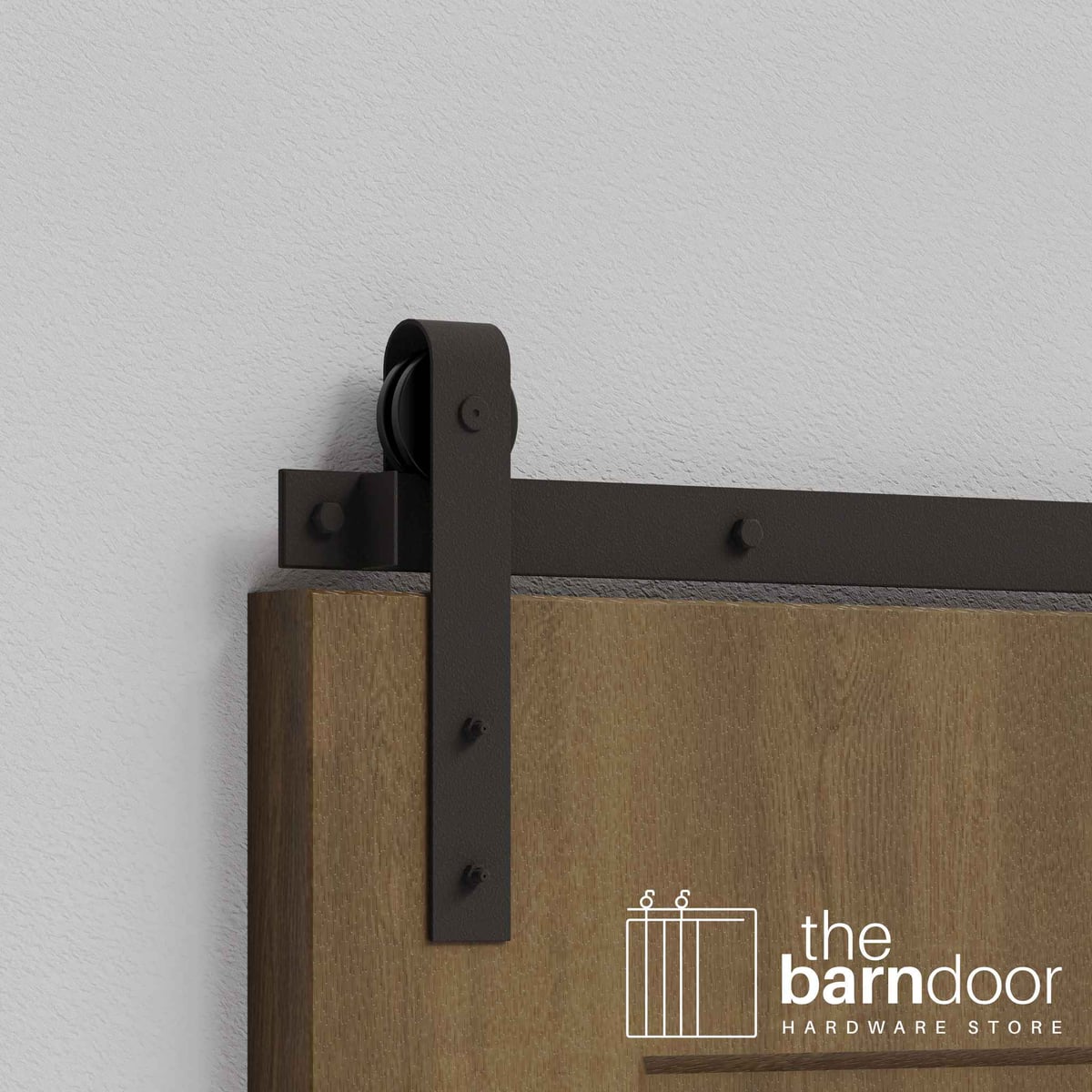
When pairing locks with your barn door hardware, compatibility matters. The Classic J-Strap Barn Door Hardware Kit provides a solid foundation that works well with most standard barn door locking mechanisms, giving you flexibility in your security choices.
Security Features to Look For
When evaluating rolling door locks, security should be top of mind. But what exactly makes one lock more secure than another?
Material Quality and Construction
Hardened steel resists cutting, drilling, and prying far better than standard steel or aluminum. Look for locks with anti-drill plates and reinforced bolt mechanisms.
Weather-resistant coatings matter too, especially for exterior applications. Rust and corrosion can compromise even the strongest lock over time.
Tamper-Resistant Design
The best rolling door locks incorporate features that make tampering difficult:
- Concealed screws that can't be removed when locked
- Shielded shackles on padlock-style locks
- Ball bearing mechanisms that resist picking
- Hardened pins that prevent bumping
Keying Options
How many locks do you want to manage? Keyed-alike systems let you use one key across multiple locks, while keyed-different provides unique keys for each lock.
Consider whether you need master key capability, which allows different access levels for different users while maintaining one master key that opens everything.
Installation Tips and Best Practices
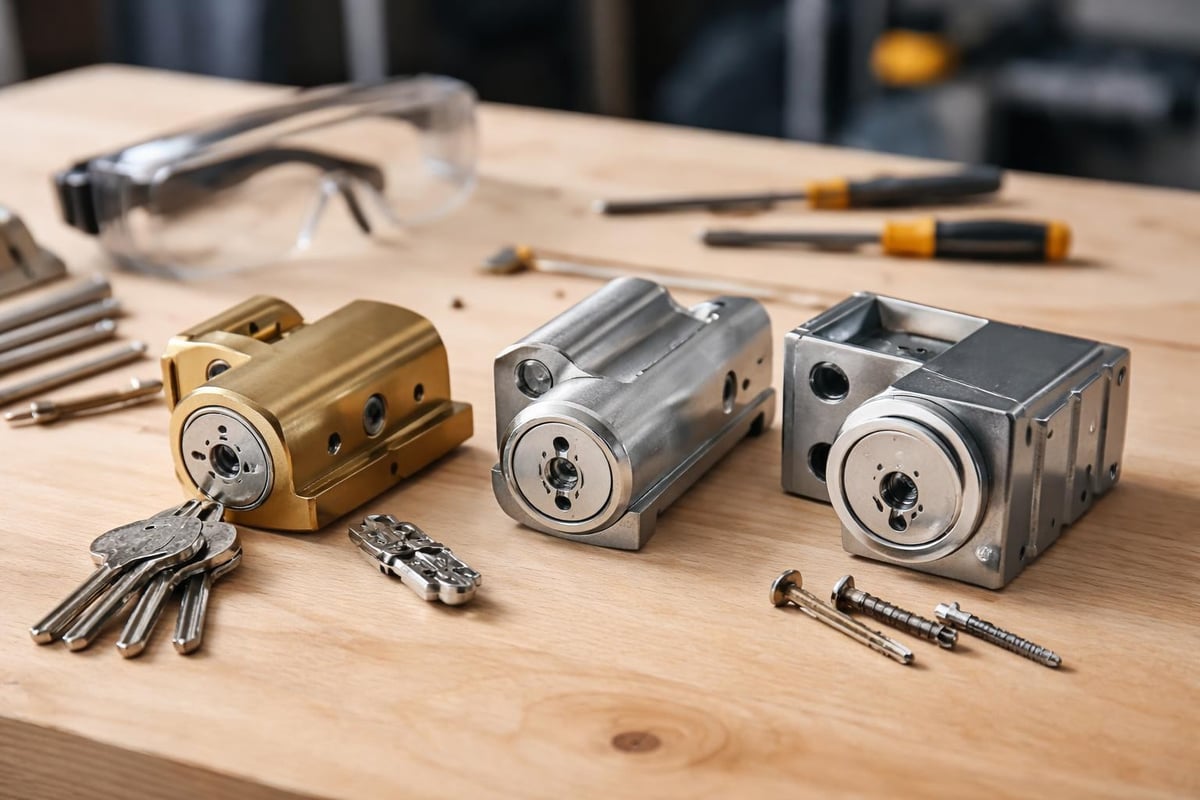
Installing rolling door locks correctly makes the difference between effective security and a false sense of protection. Even the best lock won't help if it's poorly installed.
Preparation Steps
- Measure twice, drill once: Mark your installation points carefully
- Choose solid mounting surfaces: Avoid mounting to thin metal or weak wood
- Check door alignment: Your door should close smoothly before adding a lock
- Test the lock position: Make sure it engages properly when the door is fully closed
Common Installation Mistakes
Mounting too close to the edge creates stress points that can tear out under force. Leave at least two inches from any edge when possible.
Using undersized fasteners is another frequent error. The hardware that comes with quality locks is sized for a reason-don't substitute smaller screws or bolts.
Ignoring door clearance causes locks to bind or fail to engage. Account for any door movement or settling that might affect lock alignment.
Professional vs. DIY Installation
Simple padlock hasps? Go ahead and DIY. Complex center lock systems or electronic locks? Consider professional installation.
Professional installers know how to:
- Reinforce mounting points properly
- Integrate locks with existing security systems
- Ensure warranty compliance
- Test under various conditions
Choosing the Right Rolling Door Lock Brand
Brand reputation matters when you're securing valuable property. Selecting a reliable rolling door lock brand involves looking beyond price to consider durability, customer support, and warranty coverage.
Key factors to evaluate:
- Track record: How long has the company been in business?
- Warranty coverage: What's protected and for how long?
- Replacement parts availability: Can you get parts in five years?
- Customer reviews: What do actual users say about longevity?
- Certification: Does the lock meet recognized security standards?
Don't automatically choose the cheapest option. A lock that fails after six months costs more in the long run than a quality lock that lasts a decade.
Maintenance and Longevity of Rolling Door Locks
Your rolling door locks need regular maintenance to perform reliably year after year. Neglect leads to stuck locks, broken keys, and compromised security.
Monthly Maintenance Tasks
- Lubricate moving parts with graphite powder or silicone spray
- Clean debris from the locking mechanism
- Test operation to catch issues early
- Check mounting hardware for looseness
Annual Deep Maintenance
Once a year, give your locks more thorough attention:
- Remove and clean the entire lock assembly
- Inspect for wear, cracks, or corrosion
- Replace worn springs or pins
- Apply fresh lubricant to all moving parts
- Tighten all mounting hardware
Weather protection extends lock life significantly. If your rolling door locks are exposed to the elements, consider adding weather shields or covers to protect the mechanism from direct rain and snow.
Upgrading Your Security System
Maybe you've had basic rolling door locks for years and you're wondering if it's time to upgrade. Here are signs it might be worth investing in better security:
- You've experienced break-in attempts
- You're storing more valuable items
- Insurance requirements have changed
- Technology has improved significantly since your last installation
- Your current locks show wear or damage
Integration opportunities make upgrades more attractive than ever. Modern rolling door locks can connect with alarm systems, smartphone apps, and whole-home security platforms.
For commercial applications, consider access control systems that log every entry and exit. You'll know exactly who accessed the space and when.
Specialized Applications and Unique Challenges
Some rolling door situations require specialized locking solutions you won't find at a typical hardware store.
Temperature Extremes
Locks in very cold or hot environments need special consideration. Standard locks can freeze solid in winter or become unreliable in extreme heat.
Cold weather solutions:
- Locks with dry lubricants that won't gum up
- Insulated housings
- Heated lock options for critical applications
Hot weather considerations:
- Materials that resist thermal expansion
- UV-resistant coatings
- Heat-dissipating designs
High-Humidity Environments
Coastal areas, greenhouses, and other high-humidity spaces accelerate corrosion. Stainless steel locks or specially coated locks resist rust far better than standard options.
Heavy-Duty Commercial Doors
Large commercial rolling doors create unique challenges. The heavy-duty rolling door lock options designed for commercial applications can handle the weight and stress that would destroy residential-grade locks.
These heavy-duty options often include:
- Reinforced housings rated for thousands of cycles
- Multiple locking points for distributed stress
- Commercial-grade keying systems
- Enhanced tamper resistance
Cost Considerations and Budgeting
How much should you spend on rolling door locks? The answer depends on what you're protecting and your risk tolerance.
Budget Breakdown by Application
| Application | Typical Range | Recommended Investment |
|---|---|---|
| Interior barn door privacy | $20-$75 | Mid-range for reliability |
| Residential garage | $50-$200 | Higher end for security |
| Barn or outbuilding | $30-$150 | Match to contents value |
| Commercial warehouse | $150-$500+ | Premium with warranties |
Hidden costs to consider:
- Professional installation ($75-$300)
- Additional keys or access cards
- Ongoing maintenance supplies
- Potential insurance premium reductions
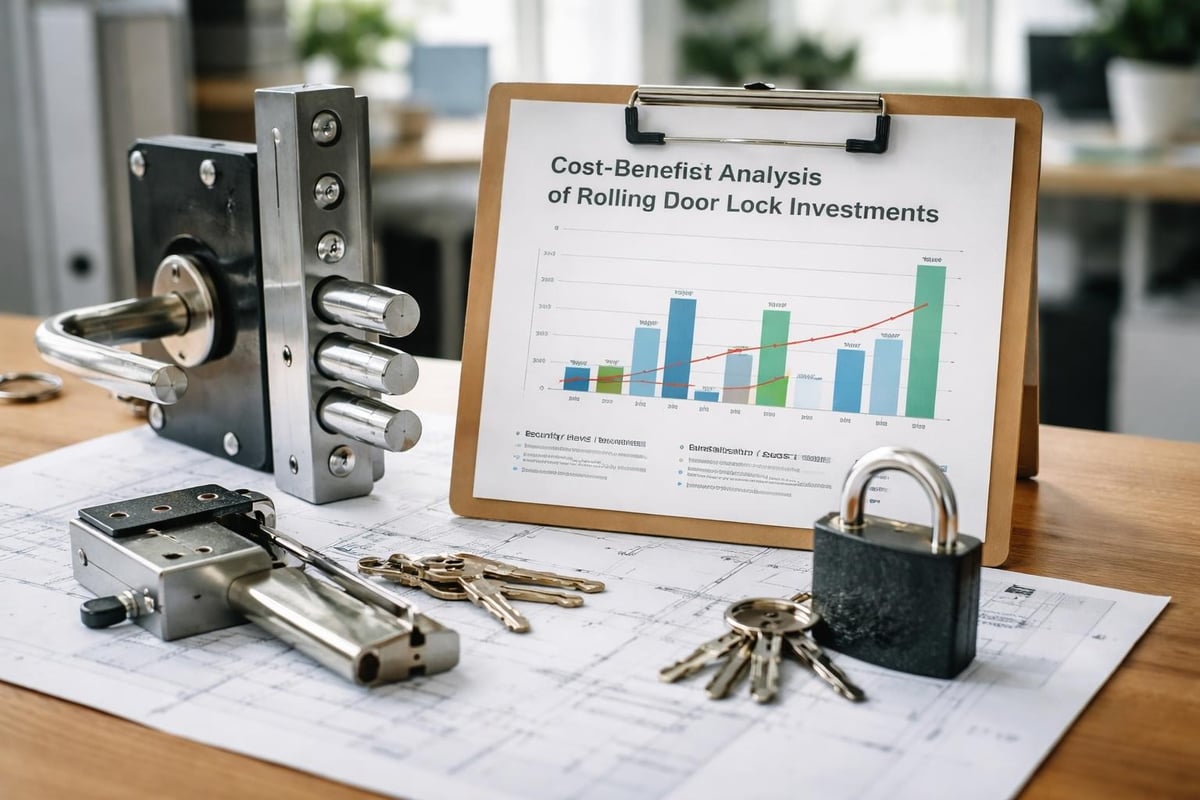
Many property owners find that investing in quality locks actually saves money through lower insurance premiums and reduced theft losses.
Integration With Other Security Measures
Rolling door locks work best as part of a comprehensive security strategy, not in isolation. Think layers of protection rather than relying on any single measure.
Complementary security elements:
- Motion-sensing lights that activate when someone approaches
- Security cameras covering door access points
- Alarm systems that trigger when doors open unexpectedly
- Reinforced door construction that resists forced entry
The combination creates a security ecosystem where each component enhances the others. A visible camera makes someone think twice about attempting to defeat your lock. A quality lock buys time for your alarm to summon help.
For those working with traditional barn door setups, understanding track configurations and hardware options helps you design a complete system where the door, track, and locking mechanism all work together seamlessly.
Legal and Insurance Implications
Before installing rolling door locks, especially on commercial properties, check local building codes and insurance requirements. Some jurisdictions mandate specific security measures, and insurance policies often include security requirements for coverage to remain valid.
Common requirements include:
- Minimum lock grade ratings
- Fire code compliance for emergency exits
- Accessibility considerations for public buildings
- Specific locking mechanisms for hazardous material storage
Failing to meet these requirements can void insurance coverage or result in code violations. A quick check with your insurance agent and local building department saves potential headaches later.
Troubleshooting Common Lock Problems
Even quality rolling door locks occasionally develop issues. Knowing how to diagnose and fix common problems saves time and money.
Lock Won't Engage
Possible causes:
- Door misalignment preventing proper closure
- Debris in the locking mechanism
- Worn engagement points
- Bent or damaged components
Solutions: Start by checking door alignment. Adjust your door guides or tracks if needed. Clean the lock thoroughly, then test again. If problems persist, inspect for physical damage.
Key Turns But Lock Doesn't Move
This frustrating issue usually indicates internal mechanism problems. The pins or bolt may be stuck, springs may have failed, or internal corrosion may be preventing movement.
Try applying penetrating lubricant and working the key back and forth gently. If that doesn't work, the lock likely needs disassembly and repair or replacement.
Lock Freezes in Cold Weather
Moisture inside the lock freezing solid causes this common winter problem. Prevention works better than cure:
- Apply dry graphite lubricant before winter
- Cover exposed locks when possible
- Use lock de-icer spray when needed
- Consider heated lock solutions for critical applications
Future Trends in Rolling Door Security
The rolling door lock industry continues evolving with new technologies and changing security needs. What's coming next?
Emerging technologies:
- Biometric integration brings fingerprint and facial recognition to rolling doors
- Blockchain-based access control creates tamper-proof access logs
- AI-powered monitoring detects unusual access patterns
- Solar-powered electronic locks eliminate wiring requirements
These innovations are filtering down from commercial applications to residential use. What costs thousands today will become affordable consumer options tomorrow.
Sustainability focus is driving development of locks made from recycled materials and designed for easier repair rather than replacement. Manufacturers are responding to demands for products that last longer and create less waste.
Understanding rolling door locks helps you make informed decisions about securing your property, whether you're protecting a home barn door installation, a commercial warehouse, or anything in between. The right combination of lock type, quality, installation, and maintenance creates reliable security that lasts for years. At The Barn Door Hardware Store, we've been helping customers find the perfect hardware solutions since 2016, combining quality products with expert guidance to ensure your barn door projects are both beautiful and secure.
