Sliding Barn Door Hardware Guide: Tips & Trends for 2026
Have you noticed how sliding barn doors are popping up everywhere, from cozy homes to trendy offices? Their blend of style and practicality makes them a favorite for anyone looking to save space and elevate design. In this guide, you’ll discover everything you need to know about sliding barn door hardware, including the latest trends and expert advice for 2026. We’ll break down hardware types, share tips for picking the perfect kit, walk you through installation, and spotlight the freshest styles and innovations. Ready to make a smart upgrade? Let’s dive in and find your ideal solution!
Understanding Sliding Barn Door Hardware: Types & Components
Sliding barn door hardware has become a staple in modern interior design, offering both functionality and style. If you have ever wondered what makes those smooth-gliding barn doors possible, you are not alone. Let us break down what goes into a typical sliding barn door hardware system and how you can choose the right components for your space.

Overview of Sliding Barn Door Hardware Systems
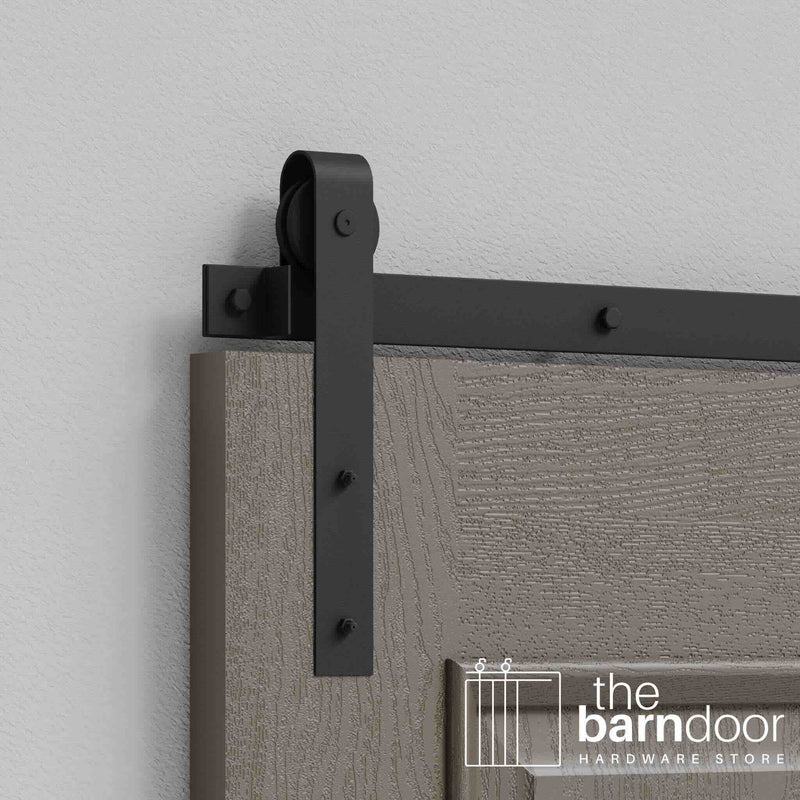
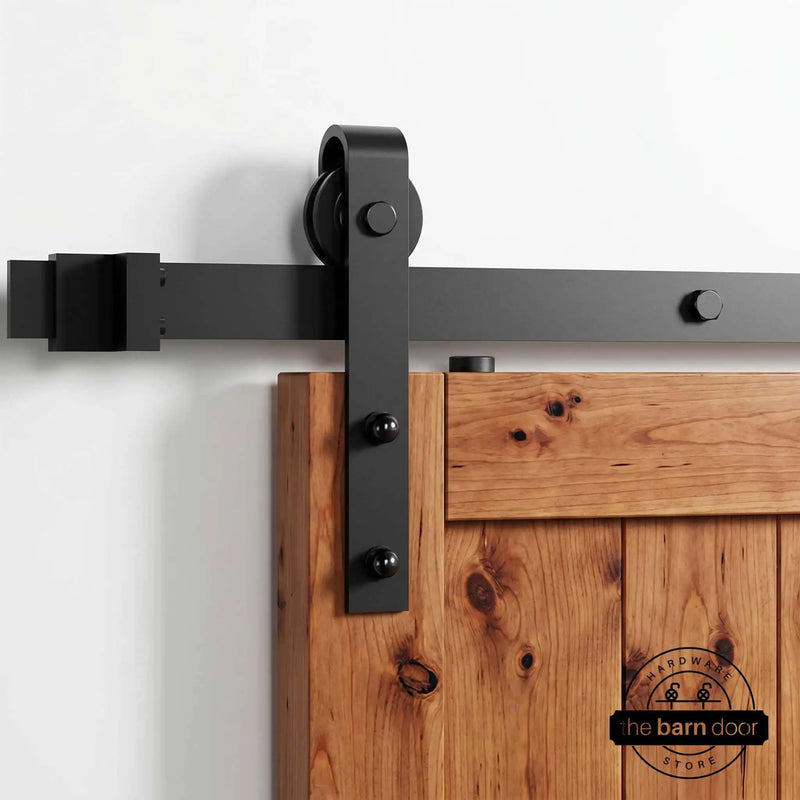
At its core, sliding barn door hardware is the set of components that allows a door to glide smoothly along a track instead of swinging open. The main parts include the sliding track, door rollers, mounting brackets, handles, floor guides, and stops. Each plays a vital role in ensuring your door moves quietly and securely.
There are several system types to consider. The most common is the single track, perfect for standard doorways and closets. Bypass systems use two or more tracks, letting doors slide past each other—ideal for tight spaces or wide openings. Bi-fold hardware folds doors together as they slide, while ceiling mount systems attach directly above the door when wall space is limited. For example, Homacer offers classic single and bypass kits, while RealCraft features heavy-duty and specialty options for larger or unique doors.
Here is a quick comparison of popular hardware systems:
| System Type | Best For | Example Use |
|---|---|---|
| Single Track | Standard openings | Bedroom, pantry |
| Bypass | Wide/tight spaces | Closets, laundry |
| Bi-fold | Limited swing space | Cabinets, pantries |
| Ceiling Mount | No wall clearance | Lofts, commercial |
Matching your sliding barn door hardware to your door type is crucial. Solid wood, MDF, and glass doors all have different weights and mounting needs. Most kits support 220–300 lbs, but if you are working with a heavy or oversized door, look for heavy-duty options designed for commercial use.
Finishes are just as important for style as for function. Matte black is the top pick for modern spaces, brushed nickel adds elegance, and stainless steel offers a sleek, industrial vibe. Specialty kits exist for unique needs, too—think mini hardware for cabinets or conversion kits for repurposing existing doors.
You will find sliding barn door hardware used everywhere: closets, home offices, pantries, and even in commercial settings like conference rooms. If you want to browse a variety of options and see what a complete kit includes, check out the Sliding Barn Door Hardware Kits collection for inspiration.
Key Hardware Components Explained
Let us get hands-on with the essential parts of a sliding barn door hardware system. The sliding track is the backbone, mounted above the doorway to guide the door’s movement. Door rollers, attached to the top of the door, glide along this track. Mounting brackets secure the track to your wall or ceiling, while anti-jump disks keep the door safely on the rail.
Floor guides are installed at the base, preventing the door from swinging out and ensuring smooth, straight travel. Door handles come in countless styles, from minimalist bars to rustic pulls, letting you personalize your setup. Many modern kits also include soft-close mechanisms, which gently slow the door as it nears the end of the track—no more slamming or pinched fingers.
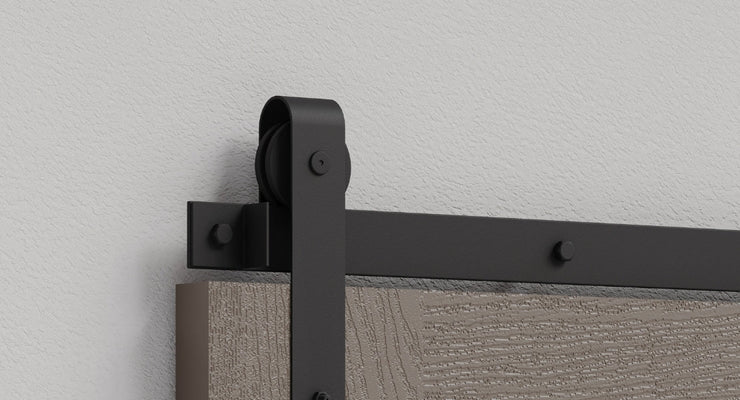
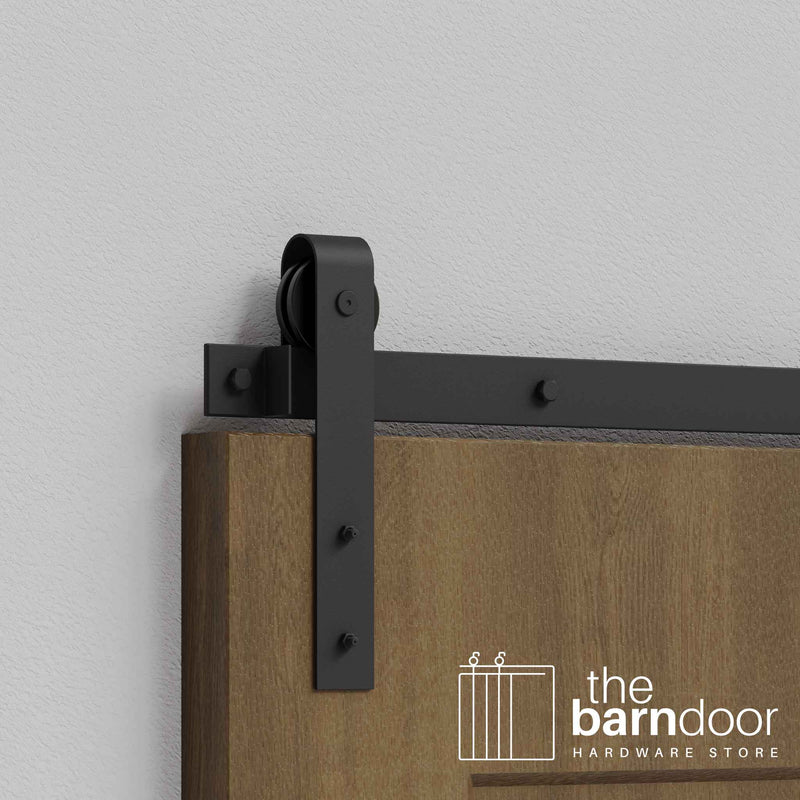
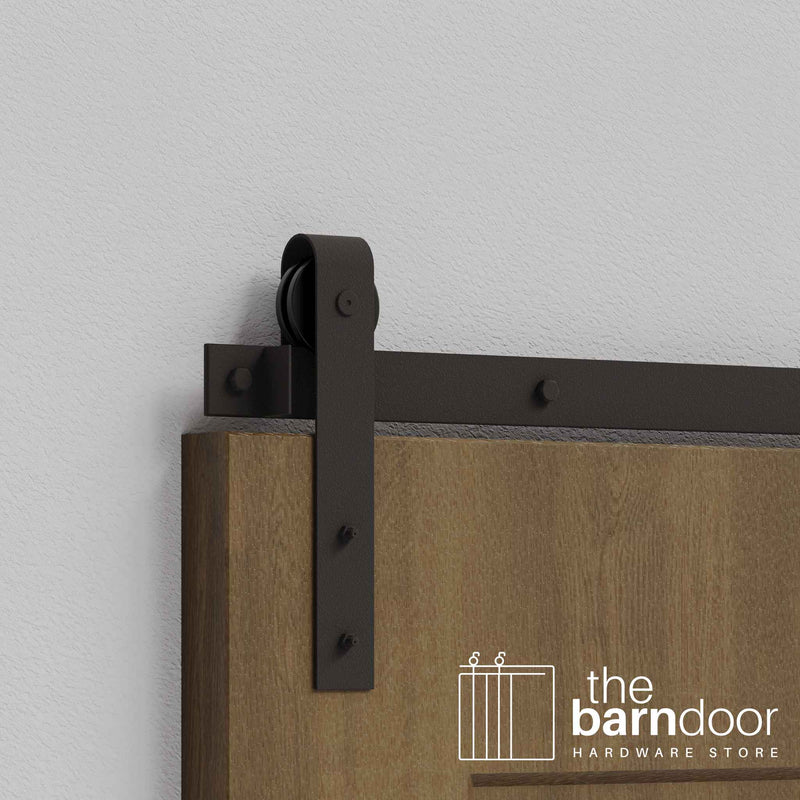
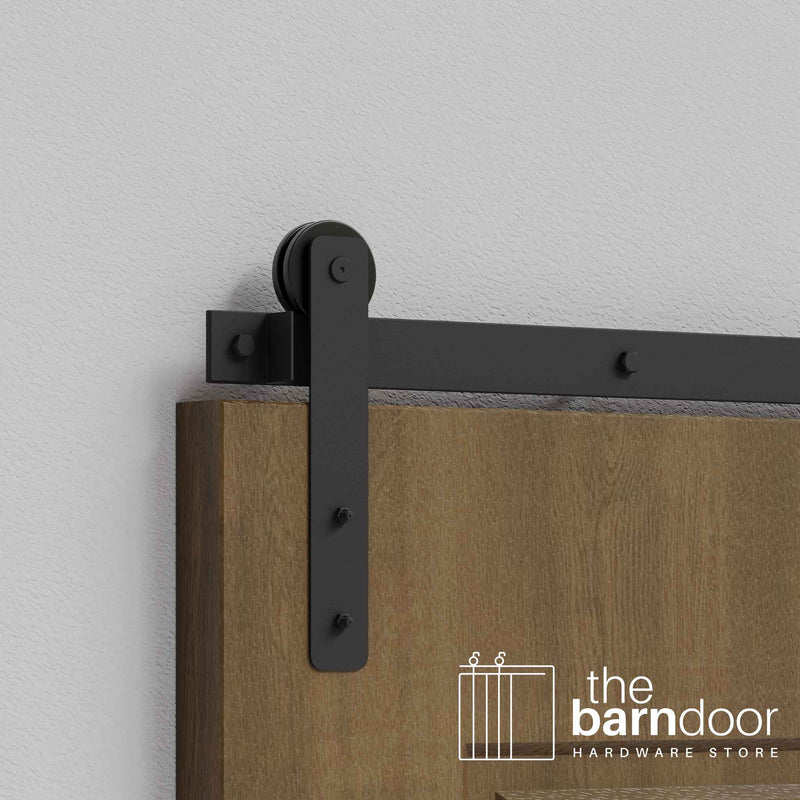
Roller style makes a big visual impact. Classic T-shape rollers evoke a farmhouse feel, while diamond and geometric styles suit contemporary spaces. Accessories like bypass brackets and extension tracks help expand your system’s versatility, allowing for multiple doors or extra-wide openings.
Most sliding barn door hardware kits are DIY-friendly, arriving with all necessary parts and clear instructions. Materials matter for durability and operation: solid steel and stainless steel resist wear and support heavier doors, while Delrin or nylon wheels provide quiet, smooth rolling.
Whether you are planning a new build or updating an old doorway, understanding these components ensures your sliding barn door hardware will deliver both style and reliability for years to come.
How to Choose the Right Sliding Barn Door Hardware Kit
Choosing the best sliding barn door hardware kit can feel overwhelming with so many options out there. Whether you are upgrading a pantry, designing a home office, or planning a commercial fit-out, the right hardware will make all the difference in style, function, and longevity. Here is a step-by-step guide to help you confidently select the perfect kit for your needs.

Step 1: Assess Your Door and Space Requirements
Start by pulling out your tape measure. Jot down the width and height of your door. For most sliding barn door hardware systems, your track length should be at least twice the width of the door. This ensures the door slides fully out of the way.
Next, scan your wall and ceiling. Is there enough room for the track? If your wall space is limited, you might need a bypass or ceiling-mounted solution. Also, check for obstacles like light switches or trim.
Think about your door material. Solid wood, MDF, and glass all have different weights, so always confirm that your sliding barn door hardware can support your door. Most kits are rated for 220 to 300 pounds, but heavier doors need specialized options.
Step 2: Select the Appropriate Hardware System
Now, let us match your space with the right sliding barn door hardware system. Here is a quick table to help:
| System Type | Best For | Key Feature |
|---|---|---|
| Single Track | Standard openings | One door, classic look |
| Bypass | Tight spaces, closets | Doors slide past each other |
| Triple Track | Wide, multi-door setups | Three doors, large entries |
| Ceiling Mount | Low wall clearance | Track attaches to ceiling |
Bypass kits are ideal if you have two doors and limited wall space. For more details on these space-saving options, check out Bypass Barn Door Hardware Options. Ceiling mounts work well in rooms with little wall clearance. Specialty and heavy-duty kits are perfect for unique or oversized doors.
Step 3: Match Style and Finish to Interior Design
This is where your sliding barn door hardware can really shine. Do you prefer a modern matte black finish, or maybe brushed nickel for a touch of elegance? Rustic steel is a great fit for farmhouse or traditional spaces.
Roller styles make a big impact, too. T-shape rollers are sleek and minimal, while geometric or diamond shapes add personality. Handles and pulls can either blend in or become a statement piece. Pick finishes and styles that echo your home’s vibe for a cohesive look.
Step 4: Review Installation Complexity and DIY Suitability
Not all sliding barn door hardware kits are created equal when it comes to installation. Pre-assembled kits often make things easier for first-time DIYers. Custom configurations might require a bit more patience and skill.
Look for kits that include clear, step-by-step instructions and all the necessary parts. Many brands, like Homacer and RealCraft, design their hardware with DIY enthusiasts in mind. If you are not comfortable with tools, consider hiring a pro or choosing a kit known for user-friendly setup.
Step 5: Budget and Warranty Considerations
Budget is always important. Standard sliding barn door hardware kits are affordable, while premium or custom options come at a higher price. Here is a quick comparison:
| Kit Type | Typical Price Range | Inclusions |
|---|---|---|
| Standard | $70 - $150 | Basic hardware |
| Premium | $200+ | Specialty finishes, soft-close, heavy-duty |
Look for kits that offer a limited lifetime warranty. This shows the brand’s confidence in its product. Some stores also offer free shipping on orders over a certain amount, so factor that into your decision.
Step 6: Seek Expert Support and Custom Solutions
Still unsure which sliding barn door hardware kit is your best match? Many retailers offer quizzes or live chat support to guide you. RealCraft, for example, has a hardware quiz that matches products to your project.
If your doorway or style is truly unique, custom sizing is an option. You can also consult with professionals for expert advice on installation and design, ensuring your hardware fits perfectly and works smoothly for years.
Installation Best Practices for Sliding Barn Door Hardware
Ready to transform your space with sliding barn door hardware? Let’s walk through the best practices to ensure a smooth, stress-free installation. Whether you’re a DIY enthusiast or a first-timer, the right prep and steps make all the difference. Let’s dive in!

Preparing for Installation: Tools and Site Readiness
Before you start, having the right tools and a well-prepared space is key. Gather these essentials:
- Drill and drill bits
- Level (a must for smooth sliding barn door hardware operation)
- Tape measure
- Stud finder
- Wrenches or socket set
- Safety glasses and gloves
Next, check your wall. Is it strong enough to support the sliding barn door hardware and your chosen door? Locate studs or blocking behind the drywall. If your door is especially heavy, double-check that your support system matches the weight capacity of your hardware kit.
Review the instructions provided with your sliding barn door hardware kit. Count and inspect all parts before you begin. Need extra guidance? The Barn Door Hardware Installation Manual offers clear, step-by-step directions for most setups.
A little prep saves a lot of hassle later. Lay out your tools, clear your workspace, and you’re ready to go.
Step-by-Step Installation Process (Chronological)
Let’s break down the process for installing your sliding barn door hardware. Take it one step at a time:
- Mark where your track will go. Use a level to make sure everything lines up.
- Attach mounting brackets securely to the wall or ceiling, anchoring into studs or blocking.
- Fasten the sliding track to the brackets, double-checking for level alignment.
- Assemble and fix rollers onto your door. Test for smooth rolling before hanging.
- Hang the door on the track. Adjust stops and install any anti-jump devices to keep things safe.
- Install the floor guide at the base, keeping the door stable and preventing unwanted swinging.
- Add handles, pulls, and soft-close mechanisms for extra convenience and style.
Each step builds on the last, so don’t rush. Take your time, and you’ll enjoy reliable sliding barn door hardware that works beautifully.
Troubleshooting & Safety Tips
Even with careful planning, small issues can pop up. Is your door sliding unevenly or making noise? Check for misaligned tracks or loose rollers. Tighten all fasteners and make sure the floor guide is set correctly.
If your sliding barn door hardware supports a heavy or oversized door, confirm that all anchors and brackets are secure. Safety comes first, so always use the anti-jump disks and stops included in your kit.
Set a reminder to inspect your installation every few months. Look for signs of wear, loose parts, or dust buildup on tracks and rollers. A quick check keeps your sliding barn door hardware operating quietly and smoothly for years to come.
Top Trends in Sliding Barn Door Hardware for 2026
The world of sliding barn door hardware is evolving quickly, with new trends making waves for homeowners and businesses alike. If you want your space to feel modern and functional, staying ahead of these trends is key. Let’s dive into what’s making headlines in 2026.
Innovative Hardware Designs and Finishes
One of the most exciting shifts in sliding barn door hardware is the rise of minimalist and geometric roller styles. These designs bring a sleek, architectural edge to any room. You’ll see more mixed-metal finishes, like matte black paired with brass or brushed gold accents, becoming the statement choice for interior designers.
Color options are expanding, too. Beyond classic matte black or stainless steel, 2026 brings brushed gold, bronze, and custom powder-coated finishes to the forefront. This lets you match hardware perfectly to your decor, whether you love a bold look or prefer something subtle.
- Minimalist rollers for clean lines
- Mixed metals for visual interest
- Wide range of new colors
Want your door to stand out or blend in? These choices make it possible.
Smart and Automated Hardware Solutions
Technology is making its mark on sliding barn door hardware, and it’s about time. Automatic sliding door openers, like the Edison, are now more accessible for homes and businesses. Imagine opening your door with just a wave or a tap on your phone.
Soft-close and anti-slam features are becoming standard, ensuring safety and a premium feel. App-controlled and touchless access systems are growing in popularity, perfect for high-traffic areas or anyone who loves convenience.
- Automatic openers for ease of use
- Soft-close tech for safety
- App and touchless controls
If you crave a seamless, smart home experience, these features are worth exploring.
Sustainability and Eco-Friendly Materials
Eco-conscious choices are taking center stage in sliding barn door hardware. Manufacturers are prioritizing recycled metals and low-VOC finishes, making it easier to go green without sacrificing style or durability.
Production and packaging are becoming more sustainable, too. Brands now highlight their eco-friendly processes, which resonates with homeowners and businesses looking to reduce their carbon footprint.
- Recycled steel and metals
- Low-VOC, non-toxic finishes
- Sustainable packaging
Looking for hardware that feels good and does good? These trends let you make a positive impact.
Customization and Modular Kits
Personalization is a huge trend for 2026. Customizable track lengths, roller styles, and handle options mean you can create a sliding barn door hardware system that’s truly your own. Modular kits are growing in popularity, adapting to unique door sizes and layouts.
This flexibility is ideal for both DIYers and professionals. Whether you’re upgrading a single door or designing a whole new space, you have more control than ever.
- Custom track and roller options
- Modular kits for any layout
- Handles and pulls to match your style
Ready to let your creativity shine? Modular solutions give you the freedom to experiment.
Commercial and Multi-Door Systems
Businesses and large spaces are seeing a surge in demand for advanced sliding barn door hardware. Heavy-duty and triple bypass kits are now tailored for offices, hotels, and retail environments. There’s also a wider range of hardware for glass, metal, and specialty doors.
Choosing hardware rated for specific door weights and ensuring proper track alignment is essential for smooth operation in commercial settings. For a deeper dive into these considerations, check out Specialty Door Hardware Considerations.
- Triple bypass systems for multiple doors
- Heavy-duty tracks for larger openings
- Glass and metal door compatibility
If you manage a business or a busy space, these innovations keep your doors running smoothly and looking sharp.
Maintenance, Care, and Longevity of Sliding Barn Door Hardware
Keeping your sliding barn door hardware in top shape is much easier than you might think. Just like any high-touch part of your home, a little attention now and then goes a long way toward smooth, quiet operation and lasting style.
Routine Cleaning and Inspection
Regular cleaning keeps your sliding barn door hardware looking sharp and working smoothly. Dust and debris can build up on tracks and rollers, so try wiping them down with a soft, non-abrasive cloth every month or two. Avoid harsh chemicals that might damage the finish, especially if you have matte black or brushed nickel hardware.
It’s smart to give your hardware a quick inspection every few months. Check that all screws and bolts are tight, and look for any signs of wear on rollers or brackets. Catching small issues early can prevent bigger problems down the road. For a detailed walk-through on cleaning and checking your hardware, you might find this Comprehensive Installation and Maintenance Guide helpful.
Lubrication and Quiet Operation
Ever noticed your sliding barn door hardware getting a bit squeaky or stiff? That’s your cue to add a touch of silicone-based lubricant. Apply a small amount to the track and roller bearings, then slide the door back and forth to work it in. This keeps everything moving quietly and smoothly.
Some premium hardware uses Delrin wheels or similar technology for even quieter operation. If you have these, you might find you need less frequent lubrication. Still, a quick check every few months helps maintain that whisper-soft glide you love.
Preventing and Addressing Common Issues
Even the best sliding barn door hardware can run into little hiccups over time. If your door starts squeaking, check for dust or dirt in the track, and reapply lubricant as needed. Sticky rollers often just need a cleaning or a quick adjustment.
Notice your door isn’t hanging straight? Inspect the mounting brackets and track alignment. Tighten any loose fasteners, and make sure the anti-jump disks and floor guides are properly positioned. If a component is worn or damaged, swap it out with a replacement to keep your system running smoothly.
Maximizing Lifespan and Warranty Benefits
Want your sliding barn door hardware to last for years? Stick to the manufacturer’s maintenance guidelines, and don’t skip those routine inspections. Most brands offer limited lifetime warranties, but these often require you to follow specific care instructions.
If you ever run into trouble, reach out to customer support for help with troubleshooting or warranty claims. Keeping records of your maintenance can help if you need to use your warranty. With a little care, your hardware will stay reliable and stylish for the long haul.
Inspiration: Stylish Sliding Barn Door Hardware Applications
Sliding barn door hardware offers a unique blend of function and style, transforming the look and feel of any space. Whether you are updating a modern loft or restoring a rustic farmhouse, the right hardware can become a design centerpiece. Let’s explore how you can use sliding barn door hardware to elevate both classic and contemporary interiors.
Design Ideas for Modern and Classic Spaces
Sliding barn door hardware is incredibly versatile and fits beautifully with a range of aesthetics. In a farmhouse kitchen, you might pair a classic diamond roller with a distressed wood door for a warm, inviting feel. Modern offices often feature flat-panel doors with sleek, matte black hardware, offering a clean, professional look.
Rustic bedrooms shine when you use raw steel finishes and bold T-shape rollers. For something truly custom, try mixing finishes or adding unique handles. You can browse Barn Door Handles and Accessories to discover options that perfectly match your vision.
Popular pairings include:
- Geometric rollers with minimalist doors for a contemporary vibe
- Brushed nickel hardware on French doors for a touch of elegance
- Heavy-duty kits for statement entryways in commercial spaces
Every choice you make, from the rollers to the handles, allows your sliding barn door hardware to reflect your personal style.
Creative Uses Beyond Traditional Doors
You might think sliding barn door hardware is just for dividing rooms, but its uses go far beyond. Many homeowners use these systems for closets, making storage both stylish and accessible. In pantries, a compact mini hardware kit can make a bold statement while saving space.
Designers love using sliding barn door hardware for cabinetry, turning kitchen islands or entertainment centers into focal points. Specialty applications like bi-folding doors are perfect for tight laundry rooms, and pocket doors with sliding hardware are ideal for small bathrooms.
You can even use hardware to create custom accent walls or movable room dividers, adding flexibility and flair to lofts, apartments, or open-concept homes. The possibilities are nearly endless, giving you the freedom to experiment and make your space truly your own.
Maximizing Space and Light
One of the biggest advantages of sliding barn door hardware is its ability to maximize both space and natural light. Traditional swinging doors require clearance for opening, but sliding doors hug the wall, freeing up valuable floor area.
If you want to brighten a hallway or connect living spaces, consider using glass or French-style doors with sliding barn door hardware. This approach keeps rooms feeling open and airy while providing privacy when needed.
Sliding systems are also great for enhancing accessibility, especially in homes with tight corridors. By choosing the right hardware and door design, you can make your space more functional and visually appealing at the same time.
The Barn Door Hardware Store: Your Trusted Partner for Premium Hardware Solutions
Looking for a reliable source for sliding barn door hardware? Since 2016, The Barn Door Hardware Store has been the go-to destination for homeowners, designers, and businesses who want quality, style, and long-lasting performance. With years of experience, they have built a reputation for delivering not just products, but peace of mind.

What sets The Barn Door Hardware Store apart is its impressive variety. You can find everything from classic sliding barn door hardware kits to heavy-duty commercial sets, bifold solutions, and fully custom systems. Every kit is backed by a limited lifetime warranty, so you know your investment is protected. Plus, their solid steel construction and attention to detail mean your doors will glide smoothly for years.
Wondering about installation? The Barn Door Hardware Store makes the process easy, offering clear instructions and expert tips. If you need extra help, check out this Barn Door Installation Guide for step-by-step advice on measuring, aligning, and hanging your door. Their customer support team is always ready to answer your questions and walk you through any tricky situations.
Customers love the quiet operation and custom sizing options available. With a stellar 4.9/5 rating, it's clear that satisfaction is the standard here. The hardware is engineered for durability, with finishes that fit any design style—from modern matte black to rustic steel. Free shipping across the continental US makes it even easier to upgrade your space with top-notch sliding barn door hardware.
Whether you're a DIY enthusiast transforming your home, a designer searching for unique solutions, or a business owner outfitting a new space, The Barn Door Hardware Store has you covered. Their expert support, inspiration gallery, and commitment to quality help you tackle any project with confidence. Explore their full selection today and let your next sliding barn door hardware project begin with the best.
So, now that you’ve got the lowdown on sliding barn door hardware—from the basics to the latest trends for 2026—you might be wondering where to actually find the right hardware for your next project. Whether you’re planning a modern upgrade or just want that classic, space-saving touch, it really comes down to quality, support, and choices that fit your style. I always recommend starting your search with a place that’s trusted and truly specializes in these systems. If you’re ready to explore options or need a bit more inspiration, check out The Barn Door Hardware Store—we’ve got you covered with expert advice and a huge range of top-notch kits.