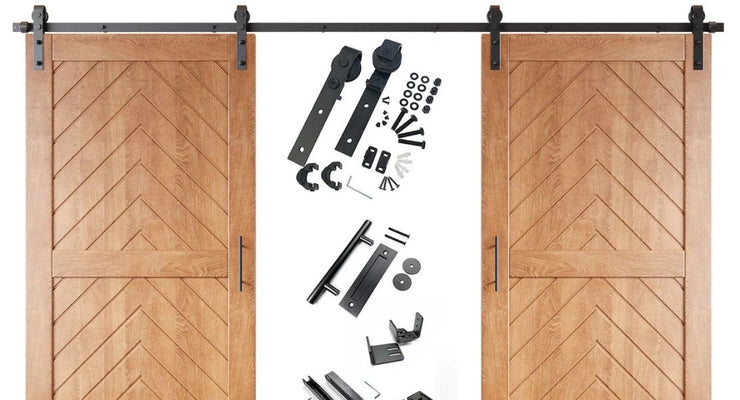
A rustic, light-wood interior barn door with a traditional Z-brace design, mounted on a sleek black industrial track.

What if the secret to a more modern, functional home is as simple as upgrading your sliding door and track? These sleek systems are gaining huge popularity for their ability to save space and elevate any room’s design.

In this expert guide, you will discover the latest innovations, step-by-step installation tips, smart maintenance strategies, and troubleshooting solutions for every sliding door and track scenario. Want flawless operation and lasting style? Dive in for proven tips and forward-looking trends that will help you make your space truly shine.

Understanding Sliding Door Systems: Types and Key Components

Curious about how a sliding door and track system can completely change the feel of your home or office? You're not alone. With so many options out there, understanding the basics is your first step to making the right choice. Let’s break down the essentials together.

Understanding Sliding Door Systems: Types and Key Components

Types of Sliding Doors

When you think about a sliding door and track, you might picture a classic patio door, but the world of sliding doors is much broader. There are interior sliding doors that save space in bedrooms, closets, or pantries, and exterior versions that connect your living area to the outdoors.

You’ll find single sliding doors, perfect for tight spaces, as well as double and bypass systems that let two or more panels glide past each other. Looking for something unique? Pocket doors disappear into the wall, barn doors add rustic flair, and glass sliding doors give a modern, open feel.

Sliding doors aren’t just for homes. Offices often use them for partitions, while commercial buildings rely on them for large entryways. Imagine a modern home with a sleek glass sliding door and track for the patio, or an office with frosted panels dividing meeting rooms. The possibilities are endless, and the right choice depends on your space and style goals.

Essential Track and Hardware Components

Every sliding door and track setup depends on quality hardware. The track, or rail, can be mounted to the wall or ceiling, offering flexibility for different layouts. Rollers and hangers let the door glide smoothly, while guides keep everything aligned.

Don’t forget about the small but mighty parts: door stoppers prevent over-sliding, anti-jump mechanisms keep the door secure, and handles, pulls, and locks add both function and flair. Materials matter too. Steel offers strength, aluminum is lightweight and corrosion-resistant, and stainless steel balances durability with a clean look.

If you want to dive deeper into how each part works together, check out this Sliding door track and hardware guide for a thorough breakdown of components and their uses. Investing in the right hardware keeps your sliding door and track system running smoothly for years to come.

Choosing the Right System for Your Space

Picking the perfect sliding door and track isn’t just about looks. Start by measuring your doorway and checking for enough wall space for the door to slide. Make sure your walls or ceilings can support the door’s weight, especially if you’re choosing a heavy material.

Think about how often the door will be used and who needs to access it. For high-traffic areas, durability and easy operation are key. Consider style and finish options that match your décor, from matte black for a modern vibe to brushed nickel for a classic touch.

Safety and accessibility matter too. Look for features like soft-closing mechanisms and ADA-compliant handles. For example, an open-plan living area might benefit from a wide bypass door, while a compact bathroom could use a pocket door that tucks out of sight. Your sliding door and track should fit both your lifestyle and your space.

Latest Innovations in Sliding Door Technology (2026 Preview)

The future of sliding door and track systems is all about convenience and sustainability. Soft-close and self-closing features are becoming standard, making doors safer and more user-friendly. Smart locks and automation let you control access with your phone or voice, while noise-reducing tracks and rollers keep things peaceful.

Eco-friendly materials are gaining traction, with more manufacturers using recycled metals and sustainable woods. Industry reports show a market shift toward automated sliding door and track systems, reflecting growing demand for hands-free operation and energy efficiency.

If you’re planning a remodel in 2026, keep an eye out for these advancements. A sliding door and track system with the latest technology not only boosts your home’s value but also makes daily life a bit more seamless.

Expert Guide: How to Select the Ideal Sliding Door and Track

Selecting the right sliding door and track system can transform your space, but it does require careful planning. Whether you are updating a home or designing a new office, understanding your options means you will get both the look and performance you want. Let’s walk through the key steps together so you can make the right choice with confidence.

A rustic, light-wood interior barn door with a traditional Z-brace design, mounted on a sleek black industrial track.

Assessing Your Needs and Space

Before you fall in love with a particular sliding door and track, take a good look at your space. Measure your door opening accurately—width, height, and even the wall space beside the opening. Is your wall sturdy enough for a heavy door, or will you need extra reinforcement?

Think about how often you will use the door and who will use it. In a busy hallway, a bypass or double sliding door and track can help with traffic flow. In a compact room, a pocket sliding door and track can save space and create a seamless look.

Watch for obstacles like light switches, vents, or furniture that could block the door’s path. For example, open-plan living spaces often benefit from larger panels, while smaller rooms might need slimmer profiles. Taking the time to assess these details ensures your sliding door and track system will fit perfectly and function smoothly.

Comparing Track and Door Materials

Choosing the right material for your sliding door and track is about more than just looks. Durability, maintenance, and weather resistance all play a part. Let’s compare the most common materials:

Material Durability Maintenance Weather Resistance Visual Appeal
Steel High Low Excellent Industrial, Modern
Aluminum Medium Low Good Sleek, Minimalist
Wood Variable Medium Poor (unless sealed) Warm, Traditional

Steel sliding door and track systems are rugged and often used for heavy-duty applications. Aluminum is lightweight, resists rust, and works well for both interior and exterior doors. Wood offers timeless charm but needs more care, especially in humid areas.

Always check the long-term value and warranty details. A strong sliding door and track system can last for years with minimal upkeep, making it a smart investment.

Hardware Styles and Customization Options

The hardware you choose for your sliding door and track can set the tone for your entire space. Do you want a modern look, rustic charm, or something industrial? Hardware comes in all styles—matte black, brushed nickel, bronze, and more.

Some hardware is purely decorative, while others add function, like soft-close mechanisms or privacy locks. Custom finishes let you match the sliding door and track to your room’s color palette or architectural details.

Think about how the hardware pairs with your door material. For example, a glass sliding door and track looks stunning with minimalist stainless steel hardware, while a reclaimed wood door shines with chunky, rustic pulls. Explore options from leading manufacturers to find your perfect match.

Budgeting and Sourcing Quality Products

Budgeting for a sliding door and track project means factoring in the door, track, installation, and accessories. Prices can vary widely, so compare specialty stores, online retailers, and custom fabricators.

Look for warranties and after-sales support. Investing in a quality sliding door and track system pays off in durability and smooth operation. Avoid the temptation to buy the cheapest hardware, as mismatched or flimsy parts can cause headaches later.

A great way to start is by browsing hardware kits for sliding doors, which offer everything you need in one package and ensure compatibility. Remember, the right sliding door and track system adds value to your space and peace of mind for years to come.

Step-by-Step Sliding Door and Track Installation Guide

Thinking about installing a sliding door and track system in your home or office? With the right preparation and step-by-step guidance, you can achieve a smooth, stylish upgrade that transforms your space. Let’s break down the process so you can tackle your project with confidence.

A photograph of a large, sliding barn door with a rustic, weathered wood frame and a full-length mirror panel, mounted on a dark metal track in a cozy bedroom.

Preparation and Planning

Before you even pick up a tool, take time to plan your sliding door and track installation. Begin by measuring your doorway precisely—height, width, and thickness. Double-check these to avoid costly mistakes.

Next, review your wall structure. Is it solid enough to support the weight of your sliding door and track? If not, you may need reinforcements. Gather all required tools, such as a tape measure, stud finder, drill, level, and safety gear.

Here’s a handy table to compare common tools:

Tool Purpose Must-Have?
Tape Measure Accurate door measurements Yes
Stud Finder Locating wall studs Yes
Level Track alignment Yes
Power Drill Secure hardware Yes
Safety Glasses Eye protection Yes

Mark your measurements and reference lines on the wall. Set up your workspace so everything is within reach and clear of clutter. For more comprehensive guidance, check out this detailed Sliding Door Installation and Maintenance Guide.

Installing the Track System

With your tools ready, it’s time to install the sliding door and track system. Start by locating wall studs or ceiling joists using your stud finder. Secure mounting brackets to these support points for stability.

Align the track with your markings, then use a level to ensure it’s perfectly straight. Secure the track with screws, checking alignment throughout. If your setup uses a bypass system, install the parallel tracks as specified.

After mounting, double-check that the track is firmly attached and free of wobble. A misaligned track can cause future operational issues, so take your time at this stage. Remember, a solid foundation makes all the difference for your sliding door and track.

Hanging and Adjusting the Door

Now comes the rewarding part—hanging your door! Attach rollers or hangers to the top edge of the door panel, following the manufacturer’s instructions. With help, lift the door onto the track, ensuring it sits securely.

Adjust the door’s height and lateral alignment so it slides smoothly without rubbing or sticking. Install anti-jump devices and floor guides to keep the door on track and prevent accidents.

If you’re working with a heavy or oversized sliding door and track, use extra caution or ask for assistance. Proper adjustment here ensures quiet, effortless operation for years to come.

Adding Handles, Guides, and Accessories

Finishing touches make your sliding door and track system both functional and stylish. Choose handles or pulls that complement your décor, and install them at a comfortable height.

Add floor guides to keep the door stable as it moves. Consider soft-close devices for a gentle, quiet finish, and install door stoppers to prevent damage from hard stops.

Don’t forget locking mechanisms if privacy or security is important. Accessories like decorative hardware or custom pulls can personalize your sliding door and track, blending style with everyday convenience.

Final Checks and Troubleshooting Common Issues

Once everything is in place, test your sliding door and track for smooth, silent movement. Check for gaps, misalignment, or sticking—these are common issues that can often be fixed by minor adjustments.

Tighten all hardware and recheck the level. If you notice noise, wobble, or derailment, inspect the rollers and track for debris or damage. Here’s a quick troubleshooting list:

  • Door sticks: Check alignment and guides.
  • Noisy operation: Clean and lubricate rollers.
  • Wobble: Tighten all fasteners.

If problems persist, consulting a professional installer can save time and frustration.

Safety and Compliance Considerations

Safety should never be an afterthought when installing a sliding door and track. Always follow local building codes, especially for commercial or multi-family properties. Install child and pet safety features, such as anti-jump mechanisms and floor guides.

Consider fire safety and ensure doors do not block emergency exits. For accessibility, make sure your sliding door and track meet ADA requirements, with easy-to-use handles and smooth operation.

For example, in multi-family housing, compliance with egress and accessibility codes is essential. If you’re unsure, check with local authorities or a qualified installer to ensure your sliding door and track system is safe and compliant.

Maintenance and Longevity: Keeping Your Sliding Door System in Top Shape

Keeping your sliding door and track in excellent condition is the secret to lasting performance and smooth operation. Regular care not only saves you from unexpected repairs but also ensures your space stays stylish and functional year after year. Wondering how to make your system last? Let’s break down the essentials of maintenance and longevity.

This image shows a close-up of a light-colored wooden sliding door, featuring a minimalist "hidden track" hardware system.

Routine Cleaning and Lubrication

A clean sliding door and track is key to smooth, silent movement. Start by vacuuming or wiping the tracks weekly to remove dust, pet hair, and debris. Use a damp cloth for stubborn grime, but avoid harsh chemicals that could damage finishes.

Apply a silicone-based lubricant to the rollers and track every few months. This prevents squeaks and reduces friction. Always check your manufacturer’s recommendations—some finishes need special products.

Pay attention to weather if you have an exterior sliding door and track system. Moisture and dirt build up faster outdoors, so increase cleaning frequency as needed. Consistent care extends the life of your sliding door and track and keeps everything gliding effortlessly.

Periodic Inspections and Adjustments

Every few months, inspect your sliding door and track for signs of wear. Look for loose screws, wobbly rollers, or misaligned guides. Tighten any hardware that feels loose, and check for dents or warping along the track.

If your door starts sticking or feels off-balance, it may be time to re-align the rollers or guides. Use a level to ensure the track is perfectly straight. Addressing these minor issues early prevents bigger problems later.

Make it a habit to check both the top and bottom of your sliding door and track. Regular inspections help you catch small issues before they turn into major repairs, saving you time and money.

Addressing Common Problems

Even with great care, your sliding door and track might develop some quirks. Noisy operation often means dirt in the track or dry rollers. Clean and lubricate first—this fixes most squeaks.

If the door jumps off the track, check for obstructions or worn-out rollers. Replace damaged rollers or guides promptly to avoid further issues. For sticking doors, inspect for track dents or misalignment.

Water damage on exterior systems can lead to swelling or rust. Dry the area thoroughly and consider upgrading to weather-resistant parts. Staying proactive with your sliding door and track means fewer surprises and a smoother experience.

Extending the Life of Your Sliding Door System

To maximize the lifespan of your sliding door and track, consider periodic upgrades. Swapping out old rollers for soft-close or self-closing hardware adds convenience and reduces wear. Replace worn components before they fail to avoid sudden breakdowns.

Protect your system from corrosion by cleaning after storms and using rust-resistant materials. For added peace of mind, review your manufacturer’s warranty and support resources regularly.

As highlighted in the Sliding Door Hardware Market Analysis 2035, investing in quality hardware and modern features is a growing trend for homeowners who want their sliding door and track to last. Stay ahead by choosing durable, upgradable components for long-term value.

Troubleshooting: Solutions for Sliding Door and Track Issues

Sliding door and track systems are designed for smooth, effortless operation, but even the best setups can develop hiccups. If you notice something off—maybe a door drags, sticks, or squeaks—knowing how to troubleshoot can save you time, money, and frustration. Let’s break down the smartest ways to get your sliding door and track system back on track.

Diagnosing Operational Problems

When your sliding door and track system starts acting up, diagnosing the issue is the first step. Listen for unusual noises—grinding, squeaking, or rattling sounds often point to debris in the track or worn rollers.

Check the door’s movement. Is there resistance when you try to slide it? Does the door feel like it’s dragging or jumping off the track? Sometimes, the culprit is simple: dirt or buildup in the track, or a roller slightly out of alignment.

Visually inspect the entire sliding door and track assembly. Look for bent tracks, loose screws, or any visible damage. Gently wiggle the door to detect wobbling, which may signal hardware issues. Catching these signs early helps prevent bigger repairs down the line.

Quick Fixes for Common Issues

Many sliding door and track problems have straightforward solutions. Start by cleaning the track thoroughly—dust, pet hair, and debris are common offenders. Use a vacuum or a damp cloth, taking care not to scratch the finish.

Next, lubricate the rollers and track. Choose a silicone-based lubricant for smooth, quiet operation. If the door is sticking or misaligned, adjust the rollers with a screwdriver, following your manufacturer’s instructions.

Check door stops and guides for proper placement. Reset any soft-close or auto-close mechanisms if your sliding door and track features modern automation. For more on the latest advancements in sliding door technology, you can explore Automatic Sliding Doors Market Trends 2025-2032.

When to Repair vs. Replace

Deciding between repair and replacement depends on the severity of the problem. Minor issues—like loose screws, dirty tracks, or slightly misaligned rollers—are usually easy to fix with simple tools.

If you notice cracked, bent, or corroded hardware, it may be time to replace those parts. Persistent noise or repeated derailment can also signal that your sliding door and track system is reaching the end of its lifespan.

Here’s a quick comparison table to help you decide:

Issue Repair Replace
Minor misalignment ✔️
Worn rollers ✔️
Broken track ✔️
Severe corrosion ✔️

If in doubt, consult your manufacturer for guidance on your specific sliding door and track model.

Professional Help and Warranty Claims

If you’ve tried all the quick fixes and your sliding door and track system still isn’t cooperating, it might be time to call a professional. Experts have specialized tools and experience, making them the best choice for major repairs or installations.

When reaching out for help, document the issues with clear photos and notes. This information will be valuable if you need to file a warranty claim. Most reputable manufacturers offer support for defective parts or workmanship—check your paperwork for details.

Successful warranty claims often come down to clear communication and good records. Don’t hesitate to ask questions or request service if your sliding door and track system is still under warranty. It’s your investment, and you deserve a system that works perfectly.

Future Trends: Sliding Door and Track Innovations for 2026

Wondering what the next wave of sliding door and track innovations will look like by 2026? The future is bright for these systems, with technology, sustainability, and style all playing a role. Let’s explore four key trends shaping the sliding door and track market, from smart home integration to eco-friendly materials and beyond.

Smart Home Integration and Automation

Imagine controlling your sliding door and track with just your voice or a tap on your smartphone. In 2026, smart home features will be standard for many new installations. Homeowners are embracing app-controlled sliding systems that sync with security and access control.

Voice assistants can open or close doors remotely, while sensors ensure safety for children and pets. Automation also means you can program your sliding door and track to close at certain times or when you leave the house. This integration blends convenience with security, making daily life a little smoother and more connected.

Sustainable Materials and Eco-Friendly Solutions

Eco-conscious choices are shaping the future of sliding door and track systems. Expect to see more doors crafted from recycled metals and sustainably sourced woods. Low-VOC finishes help keep indoor air clean, and adhesive choices are moving toward greener alternatives.

Energy-efficient glass is also a top priority, reducing heat transfer and saving on energy bills. If you care about the environment, you’ll love how the sliding door and track industry is moving toward responsible manufacturing and long-lasting, earth-friendly designs. This trend ensures your home can be stylish and sustainable at the same time.

Design Trends: Minimalism and Customization

Minimalist design is all about clean lines and unobtrusive hardware. Frameless and hidden track systems are leading the way, offering a sleek look that lets your architecture shine. Customization is also on the rise, with bold colors, mixed materials, and personalized finishes available for every taste.

Want your sliding door and track to make a statement? Choose custom graphics, colored glass, or unique hardware to reflect your personality. The focus is on merging form and function, so every sliding door and track can be uniquely yours, whether you prefer subtle elegance or a dramatic focal point.

Market Insights and Consumer Preferences

The demand for sliding door and track systems is projected to surge in both residential and commercial spaces. According to the Multitrack Sliding Glass Doors Market Forecast 2032, the market is shifting rapidly toward automation and soft-close features.

Consumers are prioritizing durability, ease of use, and tech integration. Adoption rates for smart and soft-close systems are climbing, especially in urban developments and modern office environments. As more people discover the benefits of a high-performance sliding door and track, expect to see growth in both style and function across the industry.

So, after diving into all these expert tips and future trends, you might be wondering where to actually find sliding door hardware that lives up to the hype—something stylish, sturdy, and hassle-free to install. I get it—no one wants to end up with wobbly tracks or hardware that doesn’t last. That’s why I always recommend starting your search at The Barn Door Hardware Store. They’ve been at this since 2016, offering everything from sleek sliding systems to heavy-duty kits, plus free shipping and a limited lifetime warranty. Why not give your project the best shot at success?

Leave a comment

All comments are moderated before being published