Slide In Door Hardware Guide: Modern Solutions for 2026
Are you ready to see how slide in door hardware is transforming the way we design and use our spaces in 2026? This innovative hardware is making interiors more stylish, efficient, and connected than ever before.
In this guide, you’ll discover the latest breakthroughs, smart installation tips, and design trends that are shaping the future of modern doors. We’ll walk you through the different types, core benefits and challenges, material and style innovations, step-by-step installation, smart home integration, and what’s next for these sleek solutions.
Let’s dive in and unlock expert insights that will help you make the right choice for your next project.
Understanding Slide In Door Hardware: Definitions, Types, and Core Components
Ever wondered what makes slide in door hardware such a game-changer for modern spaces? If you’ve seen those sleek, space-saving doors gliding effortlessly along a track, you’ve already encountered this innovative solution. Slide in door hardware refers to a system that allows doors to slide horizontally into or along a wall, rather than swinging open like traditional hinged doors. The result? More usable floor space, cleaner lines, and a fresh, contemporary vibe.
This hardware stands apart from standard sliding doors and classic hinged options. Where hinged doors need clearance to open, slide in door hardware tucks the door neatly out of the way. Unlike many basic sliding doors, these systems often offer advanced tracks, soft-close features, and flush finishes for a seamless look.

What Is Slide In Door Hardware?
At its core, slide in door hardware is all about efficiency and aesthetics. The system typically involves a door panel that moves horizontally along a mounted track, guided by rollers. You might see this in open-plan apartments, modern offices, or even upscale restaurants.
Unlike pocket doors that disappear completely into the wall, some slide in door hardware systems keep the panel visible, creating a design feature as well as a functional divider. This versatility makes them ideal for spaces where you want both style and practicality.
Types of Slide In Door Hardware
Let’s break down the main types of slide in door hardware you’ll encounter:
| Type | Description | Typical Use Case |
|---|---|---|
| Single-track | One door slides along a single track | Bedrooms, closets |
| Double-track | Two doors on parallel tracks | Large openings, offices |
| Bypass | Doors slide past each other on separate tracks | Wardrobes, pantries |
| Bifold | Hinged panels fold and slide | Laundry rooms, storage |
| Door slides into wall cavity | Bathrooms, small spaces |
Each type brings its own set of advantages. For example, bypass and bifold options are perfect for tight spots where you can’t spare extra inches. Pocket systems are a go-to for maximizing openness, while double-track designs shine in conference rooms and open-concept homes.
Core Components Explained
So, what makes slide in door hardware work so smoothly? Here are the essential parts you’ll find in most systems:
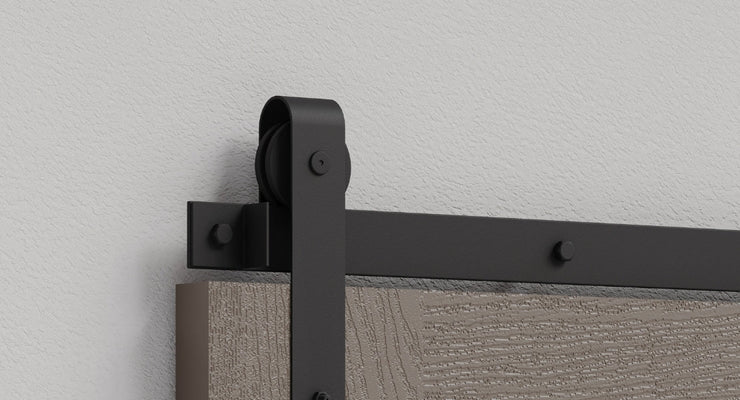
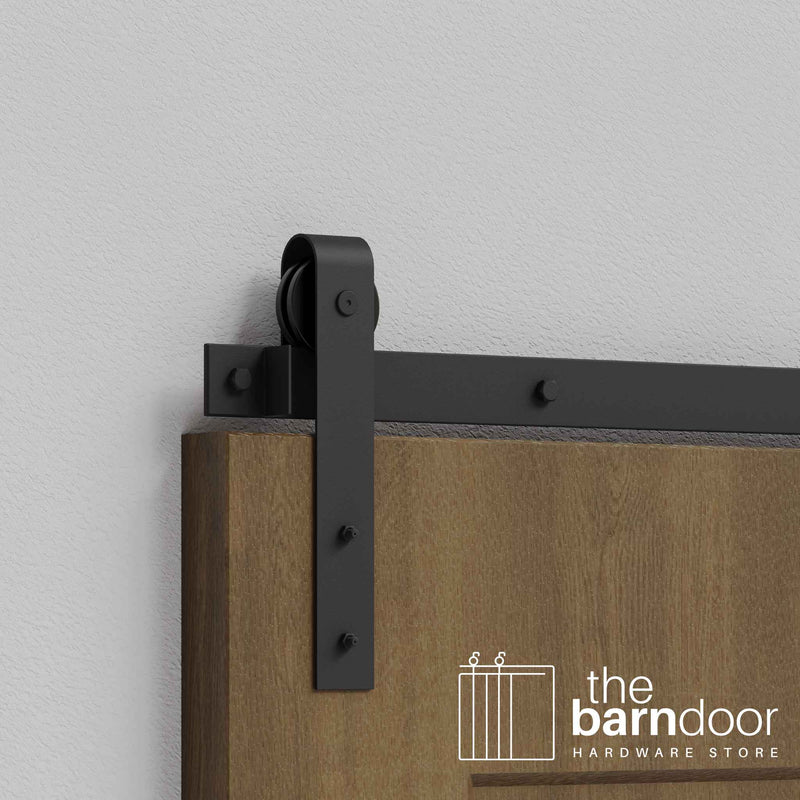
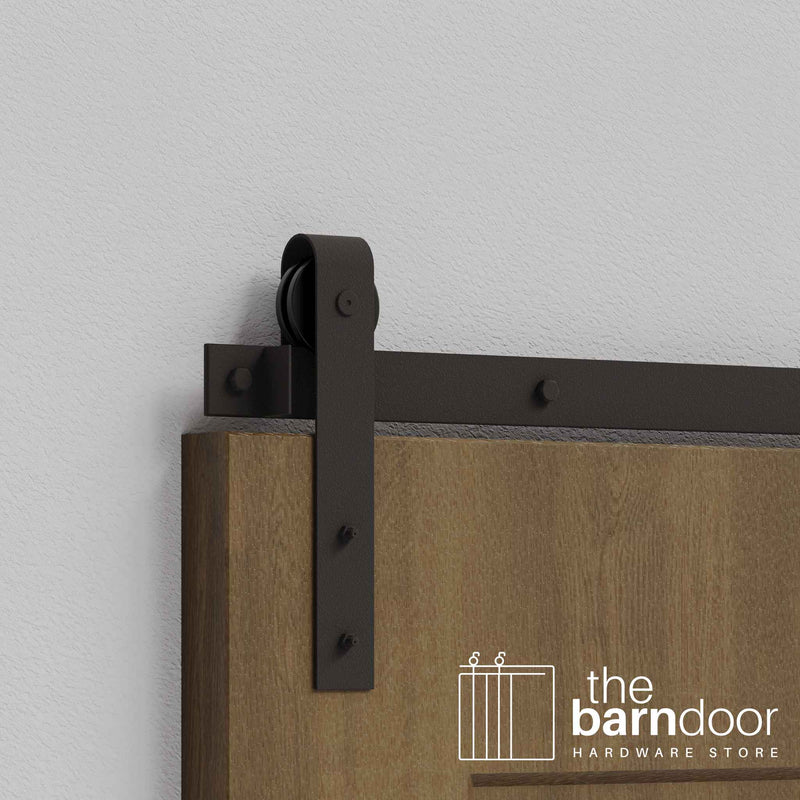
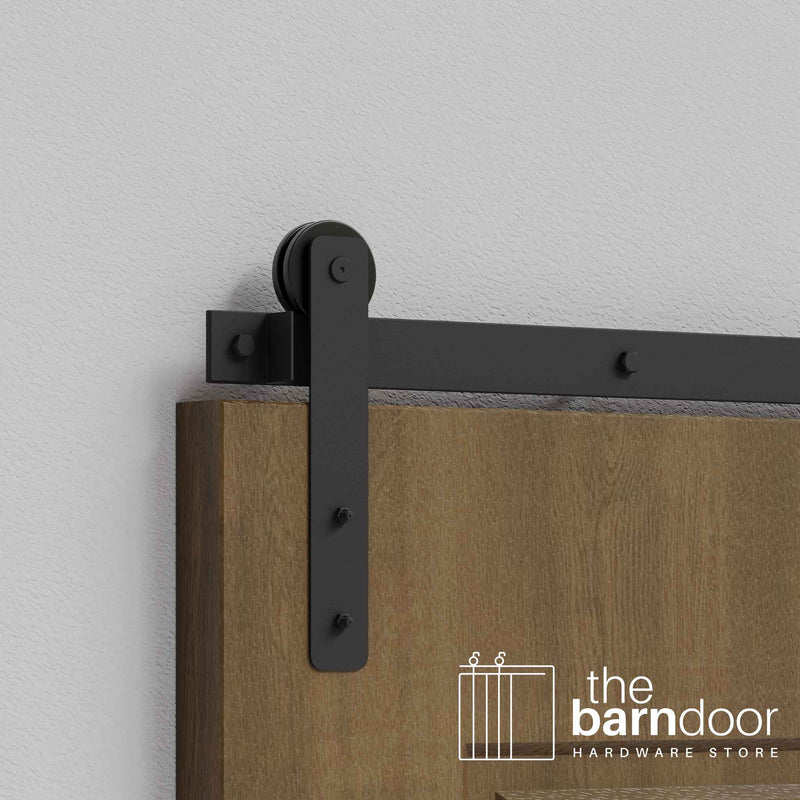
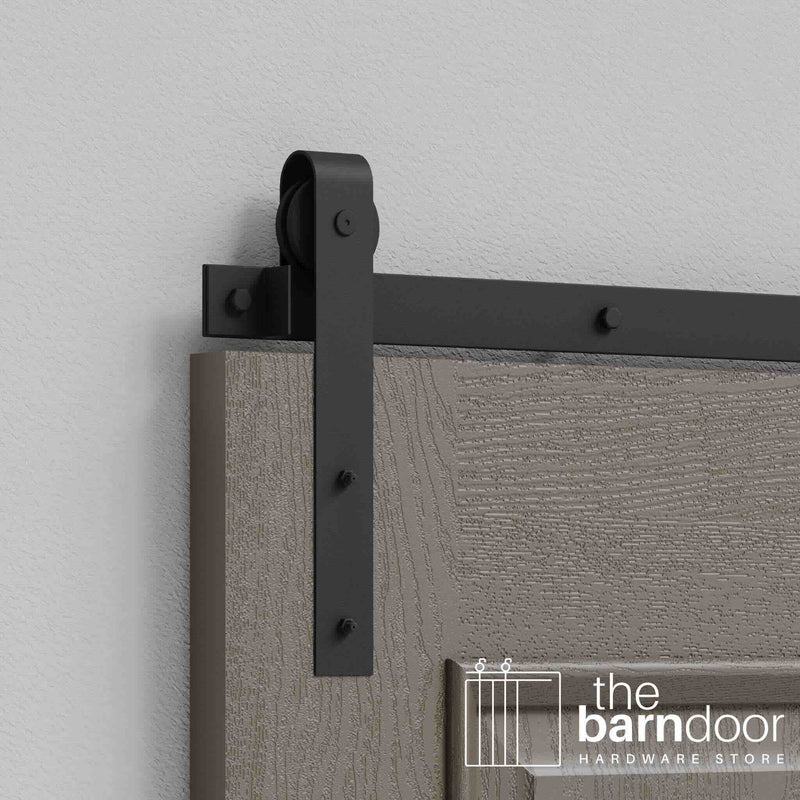
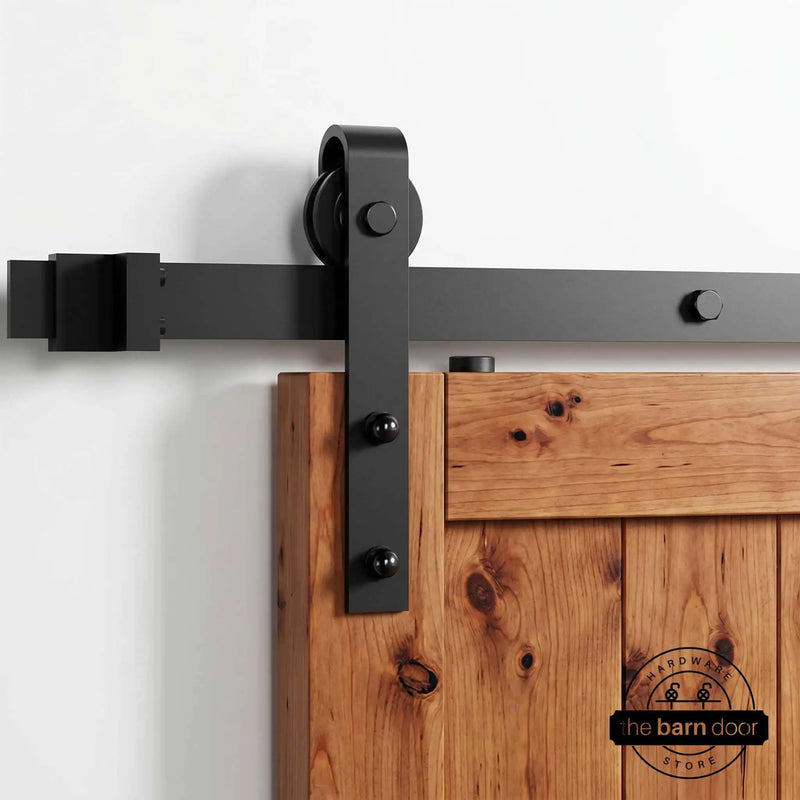
- Tracks: The backbone, mounted above or below, guiding the door’s path.
- Rollers: Attached to the door, these let it glide quietly and smoothly.
- Door panels: The actual doors themselves, which can be solid, glass, or a mix.
- Handles: Both functional and decorative, available in many styles.
- Guides: Keep the door from swinging or wobbling.
- Stoppers: Ensure the door doesn’t slide too far or bang into the wall.
When these parts come together, you get the seamless movement and reliability that define quality slide in door hardware.
Materials and Compatibility
Choosing the right materials is key to both performance and style. Slide in door hardware often features steel or aluminum for tracks and rollers, offering strength and a modern look. Wood and composite materials are popular for door panels, letting you match your décor or add warmth to a space.
These systems are designed to handle a range of door sizes and weights. Whether you need a lightweight panel for a closet or a hefty door for a conference room, there’s a hardware kit that fits the bill. Always check weight ratings and track length to ensure compatibility.
Real-World Applications and Market Growth
Slide in door hardware is popping up everywhere, from chic urban apartments to busy commercial offices. Homeowners love the way these systems free up space for furniture and movement. Architects and designers appreciate the clean lines and flexibility.
In fact, recent data shows a 35% growth in the sliding door hardware market from 2022 to 2025, reflecting the surge in demand for space-saving solutions. For a deeper dive into these trends and what’s fueling the boom, check out the Sliding Door Hardware Market Growth Statistics 2025-2035.
Whether you’re planning a home renovation or designing a new workspace, slide in door hardware offers a smart, stylish answer to modern living needs.
Key Benefits and Challenges of Slide In Door Hardware in Modern Spaces
Modern spaces demand flexibility and efficiency, which is exactly what slide in door hardware delivers. Have you ever wished for a way to make the most of your limited square footage without compromising on style? With slide in door hardware, you can do just that. Let's break down the key advantages and some real-world challenges to help you decide if this solution is right for your next project.

Space Optimization: Making the Most of Every Square Foot
If you live in an urban apartment or a home where every inch counts, slide in door hardware can be a game changer. Traditional hinged doors need space to swing open, often blocking furniture or walkways. By contrast, slide in door hardware allows doors to glide neatly along the wall or into a pocket, freeing up valuable floor space.
This makes it ideal for small bedrooms, closets, and even open-plan areas where flexibility is key. In fact, studies show that the sliding door hardware market has grown by 35% from 2022 to 2025, largely due to the demand for space-saving solutions. Whether you want to separate your office from your living room or create a hidden pantry, slide in door hardware offers the versatility you need.
Aesthetic Versatility: Seamless Style for Any Space
One of the standout benefits of slide in door hardware is how easily it adapts to different design schemes. From sleek, modern condos to rustic farmhouse interiors, you can find hardware styles and finishes that blend right in. Matte black, brushed nickel, and natural wood finishes are just a few popular choices for 2026.
This flexibility means you can use slide in door hardware for bold statement doors or subtle room dividers. The clean lines and minimal profiles complement both minimalist and industrial looks. Want to add a touch of elegance or create a loft-inspired vibe? Slide in door hardware lets you experiment with glass panels, barn-style doors, or even custom designs.
Accessibility and Ease of Use
Another huge plus for slide in door hardware is accessibility. Unlike heavy, awkward hinged doors, sliding systems are much easier to operate. This is especially helpful for people with mobility challenges or families with young children.
Soft-close mechanisms, ergonomic handles, and smooth-gliding tracks make daily use effortless. Slide in door hardware is often chosen for hospitals, offices, and accessible homes for this reason. You get the convenience of a barrier-free transition between rooms, which can make a big difference in everyday comfort and safety.
Durability, Maintenance, and Privacy Enhancements
Durability is key when investing in any home improvement, and slide in door hardware is designed to last. High-quality materials like steel, aluminum, and composite ensure that your hardware stands up to frequent use. Modern systems often feature corrosion-resistant finishes that require minimal upkeep.
Noise reduction is another area where slide in door hardware shines. Advances in soft-close technology and soundproofing mean you enjoy quieter, more private spaces. Maintenance is straightforward, typically involving occasional track cleaning and hardware checks. For high-traffic areas, this reliability is a huge advantage.
Challenges: Installation, Compatibility, and Cost Considerations
Of course, slide in door hardware is not without its challenges. Installation can be more complex than simply hanging a hinged door, especially if your walls need reinforcement or you have limited clearance. Compatibility with existing structures is something to consider, as is the potential for higher upfront costs.
However, many manufacturers now offer sliding door hardware kits, making it easier for DIYers and professionals to find the right solution for their needs. When comparing traditional hinged doors to slide in systems in urban apartments, the long-term benefits often outweigh these initial hurdles.
A recent survey found that 70% of homeowners now prefer sliding doors for renovations, citing space savings and modern appeal as top reasons. If you're looking for a way to upgrade your space, slide in door hardware could be the answer.
Latest Design Trends and Material Innovations for 2026
Looking to refresh your interiors or upgrade your workspace? The world of slide in door hardware is buzzing with new design trends and innovative materials for 2026. Whether you love clean lines, crave eco-friendly options, or want the latest smart features, there’s something out there for you. Let’s explore what’s shaping the future of slide in door hardware and how you can bring these trends into your own space.

Embracing Minimalism and Modern Aesthetics
Minimalism is front and center in 2026, and slide in door hardware plays a starring role. Picture smooth, uninterrupted wall surfaces, doors that glide in and out of sight, and hardware so discreet you barely notice it. Flush installations hide tracks and mechanisms, creating a seamless look that feels uncluttered and modern.
Popular finishes like matte black, brushed nickel, and natural wood tones are everywhere. These finishes complement a range of décors, from sleek urban lofts to cozy modern farmhouses. Glass panels are also making waves, letting light flow freely between rooms and adding a sense of openness.
You’ll find frameless glass slide in door hardware in minimalist office partitions, where privacy and light balance perfectly. Want to explore more options? Check out some of the modern barn door hardware styles trending right now. With so many choices, it’s easy to find something that fits your vision and keeps your space feeling fresh.
Sustainable and High-Performance Materials
If sustainability is on your mind, the latest slide in door hardware offers more choices than ever. Manufacturers are turning to recycled metals, eco-friendly composites, and FSC-certified woods to create beautiful, durable systems. These choices help reduce environmental impact without sacrificing style or strength.
Corrosion-resistant finishes mean your hardware stays looking sharp for years, even in humid kitchens or busy commercial spaces. Some LEED-certified buildings now specify sustainable slide in door hardware as part of their green initiatives, proving you can have both performance and peace of mind.
Case studies show that using these advanced materials can boost a building’s eco-credentials and long-term value. If you want hardware that lasts and aligns with your values, these innovations are well worth considering.
Customization and Personalization Options
Why settle for off-the-shelf when you can personalize? Today’s slide in door hardware comes with endless customization options. Choose custom track lengths for tricky spaces, pick unique handle styles, or match your hardware color to your favorite wall paint.
Panel designs range from classic to contemporary, so you can create a look that’s all your own. Custom barn-style slide in doors are especially popular in modern farmhouse interiors, blending rustic charm with updated convenience.
From bespoke hardware to color matching, these options help you make a statement while getting the perfect fit for your space.
Smart Features and Future-Ready Upgrades
Tech is transforming slide in door hardware in 2026. Smart locks, sensors, and automation systems are becoming standard features. Imagine unlocking your door with a simple voice command or controlling access from a smartphone app.
Trends point towards more touchless entry solutions in commercial spaces, boosting hygiene and convenience. Voice and app controls are growing in popularity, making life simpler and more secure.
With these future-ready upgrades, slide in door hardware is no longer just about looks. It’s about making your space smarter, safer, and more responsive to your needs.
Step-by-Step Guide: Installing Slide In Door Hardware
Ready to tackle your own slide in door hardware installation? This step-by-step guide will walk you through every phase, from planning to final adjustments. Whether you are a seasoned DIYer or a first-timer, following these simple steps can help you achieve seamless results.

Planning and Preparation
First, you will want to measure your door opening with care. Accurate measurements are essential for selecting compatible slide in door hardware. Think about the type of wall you have, as this will affect how you mount the tracks and hardware. Is your wall drywall, brick, or concrete? Each type may require different fasteners or prep.
Before opening your toolbox, double-check that you have everything you need. Common tools include a drill, level, tape measure, pencil, safety glasses, and a stud finder. Safety is key, so always wear protective gear and clear your workspace.
Taking time to plan ensures your slide in door hardware will function smoothly and last for years. It also helps you avoid surprises once you start drilling.
Assembling and Mounting the Track System
Now, let’s get into assembling and mounting the track system. Begin by marking the exact spot where your track will be installed above the doorway. Use a level to ensure a straight line, as a crooked track can cause sliding issues later on.
Next, drill pilot holes at your marked points. This step makes it easier to secure the track and prevents splitting. For single or double track systems, always follow the manufacturer’s spacing guidelines.
Once the track is up, double-check for levelness. A well-installed track is the backbone of reliable slide in door hardware. If you are working with a longer or heavier door, consider using additional brackets for extra support.
Attaching Rollers and Door Panels
With the track in place, it is time to attach the rollers to your door panels. Lay the doors flat on a soft surface to prevent scratches. Secure the rollers according to the instructions, making sure they are evenly spaced and tightly fastened.
Carefully lift the door panels and hang them on the track. This step can be easier with a friend, especially for larger or heavier doors. Once the panels are in place, slide them back and forth to check for smooth movement.
Properly installed rollers are a key part of functional slide in door hardware. If you notice sticking or wobbling, adjust the hardware as needed for a perfect fit.
Installing Handles, Guides, and Stoppers
Handles add both function and style to your slide in door hardware. Choose handles that match your décor and feel comfortable in your hand. Position them at a convenient height and attach them firmly.
Floor guides are essential for stability, keeping the door panels aligned as they slide. Install these guides at the base of the opening, following the hardware kit’s instructions. Stoppers at each end of the track prevent the doors from sliding off.
For enhanced security or convenience, explore options like smart locks and latches that integrate seamlessly with your hardware. This is especially helpful in homes with kids or in offices needing controlled access.
Testing and Final Adjustments
You are almost done! Slide the doors open and closed several times to ensure smooth operation and proper closure. Listen for any unusual noises and check that the panels don’t rub against the wall or floor.
If you notice any misalignment, make small adjustments to the rollers or track brackets. Tighten any loose screws and ensure all safety stops are in place.
Finally, wipe down your slide in door hardware and check for dust or debris. Regular cleaning and occasional lubrication will keep your system running quietly and efficiently for years to come.
Integrating Slide In Door Hardware with Smart Home and Security Systems
Integrating slide in door hardware with your smart home setup is one of the most exciting ways to boost both convenience and security. Imagine walking up to your door and having it slide open with a simple voice command or a tap on your phone. As we move into 2026, these seamless experiences are becoming the new standard, making your living and working spaces more efficient and secure.
Compatible Smart Home Platforms
Slide in door hardware now pairs effortlessly with major smart home platforms like Alexa, Google Home, and Apple HomeKit. This compatibility lets you control access, automate door movement, and even set schedules for opening and closing. If you already use smart lights or thermostats, integrating your slide in door hardware into the system is a natural next step.
You can set up routines, like having the door slide open when you arrive home or close automatically at night. These integrations not only add convenience but also help maintain security, especially when you’re away.
Smart Locks, Keyless Entry, and Remote Access
Security is a top priority, and slide in door hardware has kept pace with innovations like smart locks, wireless sensors, and keyless entry. With features such as biometric scanners and remote locking via smartphone, you can grant or restrict access with just a tap. Hands-free entry is also taking off, as seen in the Smart Lock Hands-Free Upgrade Announcement, which highlights how new tech allows for codeless, touchless operation.
These advancements are especially useful for busy households, offices, or anyone who wants to avoid fumbling for keys. Plus, with real-time alerts, you’ll always know who’s coming and going.
Retrofitting and Security Considerations
Thinking about upgrading your existing doors? Many slide in door hardware kits are designed for easy retrofitting, so you don’t have to start from scratch. Retrofitting lets you add smart features without replacing entire door systems, making it accessible for renovations or older properties.
Security goes beyond locks. Modern slide in door hardware includes child safety features, privacy modes, and emergency egress options. You can even integrate backup power for peace of mind during outages.
Commercial Applications and Data Insights
In office environments, automated slide in door hardware is transforming access control. Imagine a conference room that unlocks and opens only for authorized team members, or a secure area that logs every entry. With a projected 40 percent increase in smart door hardware adoption by 2026, these solutions are quickly becoming the norm in both commercial and residential settings.
For businesses, this means greater efficiency, better monitoring, and improved safety for staff and visitors alike.
Future Trends: AI, Biometrics, and Predictive Maintenance
Looking ahead, the future of slide in door hardware is all about intelligence and adaptability. AI-driven access systems will learn your routines and optimize door behavior. Biometric authentication, like fingerprint or facial recognition, will make entry even more secure. Predictive maintenance features will alert you before issues arise, keeping everything running smoothly.
Integrating slide in door hardware with smart home and security systems ensures your space is ready for tomorrow’s technology, blending style with practical innovation.
Choosing the Right Slide In Door Hardware for Your Project
Selecting the right slide in door hardware can feel overwhelming, but breaking the process into clear steps makes it manageable. Whether you are renovating a cozy apartment or outfitting a bustling office, a thoughtful approach ensures you get the best fit for your needs.
Assessing Your Space and Needs
Start by evaluating your space and how you want it to function. Is your project a small bathroom, a wide office partition, or a high-traffic corridor? Measure the door opening, ceiling height, and available wall space. Consider whether you need single or double doors and what level of soundproofing or privacy is required.
Think about traffic flow and accessibility. Slide in door hardware is ideal for maximizing space in tight spots or creating flexible zones in open-plan layouts. If you live with kids or elderly family members, prioritize smooth operation and safety features.
Residential vs. Commercial Hardware Requirements
Not all slide in door hardware is created equal. Residential projects often focus on style, quiet operation, and easy DIY installation. In contrast, commercial spaces demand heavy-duty components, higher weight capacities, and compliance with accessibility standards.
For example, a busy restaurant or hotel corridor needs robust tracks and reinforced rollers, while a home office may prioritize minimal noise and sleek aesthetics. Always verify that your hardware is rated for the intended door weight and frequency of use.
If you are exploring style options, check out these different styles of barn doors for inspiration that fits both home and commercial settings.
Durability, Warranty, and Manufacturer Support
Quality matters when it comes to slide in door hardware. Look for products made from durable materials like steel or aluminum, with corrosion-resistant finishes. Read reviews and check if the manufacturer offers a warranty—ideally, a limited lifetime guarantee.
Support is just as important. Reliable brands provide clear installation guides, responsive customer service, and troubleshooting help. This is especially valuable for first-time installers or large-scale projects.
Budgeting and Sourcing High-Quality Hardware
Budgeting goes beyond the upfront cost of slide in door hardware. Balance price with quality, longevity, and added features like soft-close or smart integration. Sometimes, spending a bit more upfront saves you from future repairs or replacements.
When sourcing, choose reputable suppliers known for their selection and service. For example, The Barn Door Hardware Store has built a strong reputation since 2016 by offering a wide range of stylish, durable slide in door hardware with free shipping and a lifetime warranty.
Making Your Final Decision: Checklist & Pro Tips
Before you buy, use this checklist to stay organized:
| Checklist Item | Completed? |
|---|---|
| Measured door opening & clearance | ☐ |
| Assessed weight & usage needs | ☐ |
| Chosen style & finish | ☐ |
| Verified warranty & support | ☐ |
| Compared prices & features | ☐ |
| Checked compatibility (DIY or Pro) | ☐ |
For heavy-duty, high-traffic areas, opt for reinforced tracks and premium rollers. If you are unsure, take advantage of supplier tools like the “Find My Fit” quiz or request a custom quote. Homeowners and contractors alike benefit from expert advice and tailored solutions.
The right slide in door hardware should feel seamless in your space and stand the test of time. Take your time, do your research, and you will enjoy smooth, stylish doors for years to come.
The Future of Slide In Door Hardware: Innovations and Predictions for 2026 and Beyond
Imagine stepping into a home where doors glide open with a simple touch or voice command. The future of slide in door hardware is all about effortless automation, sleek design, and intuitive technology. As we look ahead to 2026 and beyond, you can expect these systems to become a central feature in both residential and commercial spaces.
Think about how convenience is reshaping our daily lives. Soon, slide in door hardware will integrate with AI-powered home assistants, allowing for touchless operation and even predictive maintenance. Imagine your doors adjusting automatically for privacy or airflow based on the time of day. With biometric authentication and voice controls becoming more mainstream, security and accessibility will reach new heights.
Sustainability is also stepping into the spotlight. Manufacturers are now crafting slide in door hardware from fully recyclable metals, eco-friendly composites, and zero-VOC finishes. This not only reduces environmental impact but also ensures healthier indoor air quality. Some upcoming systems will even include features that help purify air or dampen noise, contributing to overall wellness in your living environment.
Modular design is another trend you will see more of. These systems allow you to reconfigure your space as your needs change, offering flexibility for growing families or evolving workspaces. Ultra-slim profiles and invisible tracks are becoming the new standard, letting your doors blend seamlessly with any décor. New material innovations, like advanced composites and smart glass, are opening up creative possibilities for designers and homeowners alike.
Market experts predict a strong upward trajectory for slide in door hardware, driven by rapid urbanization and the smart home boom. According to the U.S. Barn Door Hardware Market Forecast 2023-2032, demand for sliding solutions will continue to surge as more people seek stylish, efficient, and tech-enabled living spaces. Expect to see concept homes with fully adaptive, automated slide in doors that respond to your lifestyle in real time.
It is an exciting time to explore what is next for slide in door hardware. Whether you are a homeowner, designer, or builder, these future-forward solutions promise to transform the way you experience your space.
Now that you know what goes into choosing and installing the right slide in door hardware—and you’ve seen how the latest designs can really change the feel of your space—you might be wondering where to start. If you want quality that lasts and expert advice from folks who genuinely care, why not check out The Barn Door Hardware Store? You’ll find everything from sleek modern tracks to custom options, all backed by free shipping and a limited lifetime warranty. Ready to make your project a breeze and your space truly yours? Let’s find the perfect fit together!